What happened
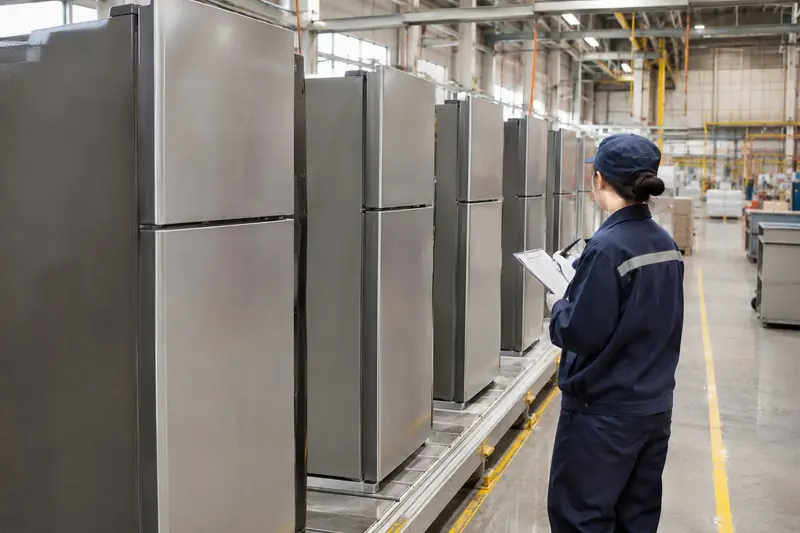
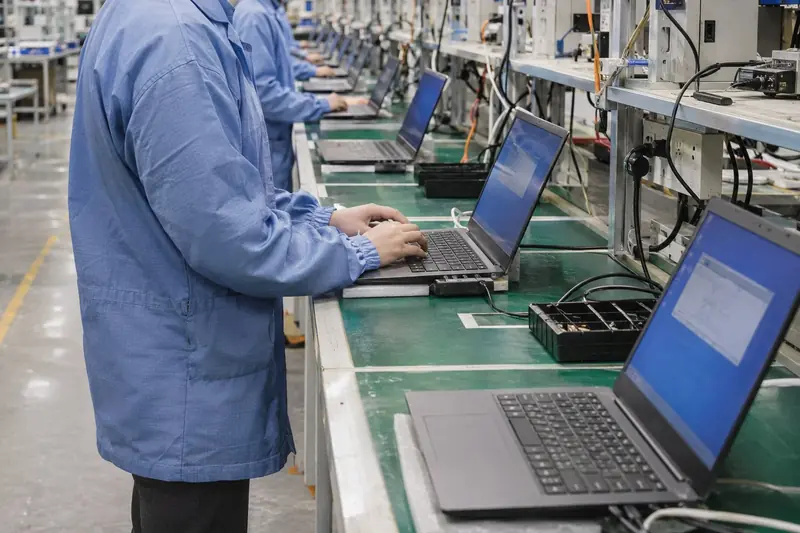
Midea grew by manufacturing at huge scale and low cost, often as an OEM making products sold under other brands. Higher margins come from selling its own brand (OBM).
It bought KUKA to move into robotics and automation, and Toshiba’s appliance business for brands and technology. German politicians worried about losing KUKA’s technology to China.
Midea now has dozens of overseas factories and R&D centres and is expanding into commercial air-conditioning, energy and medical equipment.
The case shows how a Chinese manufacturer climbs the value chain from contract maker to global brand and technology owner.
The lessonMoving from making products for others to selling your own brand captures more value — but requires marketing, service and trust.
Key moments
He Xiangjian starts a workshop making bottle caps in Guangdong.
It begins making electric fans.
Midea lists in Shenzhen.
Midea completes its takeover of KUKA.
Midea lists in Hong Kong.
Record revenue and profit; push into building tech and medical devices.
For your seminar, paper or interview
- Q1
Why is it hard to move from OEM to own brand?
- Q2
What did Midea gain from buying KUKA?
- Q3
Should Germany have blocked the KUKA deal?
- Q4
How should Midea manage so many businesses?
- Value chain upgrading
- Cross-border M&A
- Diversification
- Global operations
Propose your solution
Pick a discussion question and set out what you would do, why, and what it would cost. Strong, well-argued answers are reviewed and published below with your first name and programme.
Published solutions
Loading published solutions…
- Midea: Fortune Global 500 and 2025 results ↗
- HKEX: Midea 2025 annual results ↗
- Midea: Investor Relations ↗
- China Daily: Midea profit rise ↗
Figures are as reported in the cited sources. Check the source before quoting. Corrections: let us know through the solution form.