What happened
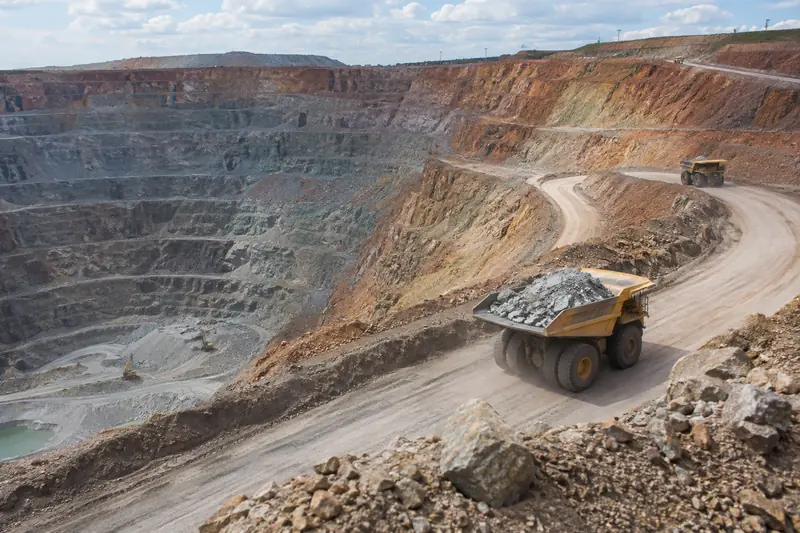
Cameco, based in Saskatoon, was formed in 1988 from Saskatchewan’s state uranium companies and became one of the world’s largest uranium producers, mining high-grade ore at Cigar Lake and McArthur River in northern Saskatchewan. It also refines and converts uranium into nuclear fuel.
Uranium is a boom-and-bust market. Prices soared before 2007, then collapsed after the 2011 Fukushima disaster in Japan, when countries such as Germany and Japan shut reactors. Cameco suspended production at McArthur River in 2018 and cut jobs, buying uranium on the spot market to meet contracts rather than mining at a loss.
Attitudes to nuclear power began to shift in the 2020s. Concerns about climate change, energy security after Russia’s invasion of Ukraine and soaring electricity demand from AI data centres revived interest in nuclear as reliable, low-carbon power. Uranium prices rose, and Cameco restarted McArthur River.
In 2023 Cameco and Brookfield Renewable bought Westinghouse Electric, the US reactor designer behind the AP1000, with Cameco taking 49%. The deal turned Cameco from a fuel supplier into a participant across the nuclear value chain. Westinghouse began paying distributions in 2025, including US$171.5 million linked to its role in the Czech Dukovany project.
In October 2025 Cameco and Brookfield agreed a strategic partnership with the US government under which Washington would arrange financing and approvals for at least US$80 billion of new Westinghouse reactors. In return the government would receive a participation interest entitling it to 20% of Westinghouse cash distributions above US$17.5 billion. Cameco’s 2025 adjusted EBITDA rose about C$400 million to C$1.9 billion.
The case lets students explore how a commodity company survives deep downturns and positions itself for a structural upswing, and how government partnerships can de-risk large projects.
Nuclear construction has a mixed history. The last AP1000 reactors built in the US, at Plant Vogtle in Georgia, ran years late and billions over budget, contributing to Westinghouse’s 2017 bankruptcy. Supporters argue that building many reactors of the same design, with experienced crews and secure financing, will cut costs. Sceptics point to repeated cost overruns worldwide and argue that renewables with batteries are cheaper.
Cameco’s contracting strategy also matters. It sells most uranium under long-term contracts with utilities, often with price floors and ceilings, which smooths revenue but means it captures only part of price spikes. In a rising market, it gradually signs new contracts at higher prices.
Supply is also constrained. Many uranium mines closed during the long downturn, and restarting or building new ones takes years. Kazakhstan, the largest producer, has faced production challenges, while Russia’s role in enrichment and fuel services has become a geopolitical concern for Western utilities. These factors make reliable Western suppliers such as Cameco more valuable, and help explain why utilities have been signing longer contracts.
For investors, Cameco has become a way to own the whole nuclear story rather than just the commodity price.
Key moments
Cameco formed from Saskatchewan state uranium companies.
Fukushima disaster; uranium prices collapse.
McArthur River production suspended.
Cameco and Brookfield acquire Westinghouse.
US government partnership for ≥US$80bn of reactors.
Uranium demand rises with AI and energy security.
2024 derived from an increase of about C$398 million to C$1.9 billion in 2025. Source: Cameco 2025 annual report summary.
The trade-offs at the heart of the case
Long-term contracts vs. price upside
Contracts reduce risk but limit gains in price spikes.
Nuclear ambition vs. construction risk
New reactors have a history of overruns.
Government partnership vs. independence
Public support de-risks projects but shares upside and adds political risk.
For your seminar, paper or interview
- Q1
How did Cameco survive the post-Fukushima uranium slump?
- Q2
Why did Cameco buy into Westinghouse, and what risks did it take on?
- Q3
What does the US government gain from its participation interest?
- Q4
Can nuclear power compete with renewables plus storage?
- Q5
How should Cameco balance long-term contracts and spot exposure?
- Commodity cycle strategy
- Vertical integration
- Public-private partnerships
- Real options
How we would approach it
Simplifying Finance’s opinion, offered as a starting point for debate, not as fact or investment advice.
Cameco is well positioned for a nuclear revival, but its future depends on reactors actually being built on time and budget. It should keep contracting discipline, support standardised reactor construction and avoid overexpanding mines ahead of firm demand.
Contract steadily
Lock in more long-term contracts at higher prices without selling everything forward.
Support execution excellence
Push Westinghouse to standardise designs and supply chains.
Expand capacity cautiously
Add mine output only as contracts are secured.
Diversify customers
Serve utilities in Asia, Europe and North America.
What this plan gives up
Cautious expansion may leave money on the table if uranium prices spike further.
The strongest counter-argument
Some argue Cameco should expand aggressively now, because the nuclear renaissance is a once-in-a-generation opportunity and supply takes years to build.
Metrics to watch
- Uranium contract prices
- Westinghouse order book
- US reactor financing decisions
- Mine production
- Distributions from Westinghouse
Propose your solution
Pick a discussion question and set out what you would do, why, and what it would cost. Strong, well-argued answers are reviewed and published below with your first name and programme.
Published solutions
Loading published solutions…
- Business Wire: Cameco and Brookfield partnership with US Government ↗
- Cameco: Annual reports and 2025 summary ↗
- Westinghouse: A new partnership ↗
- Nasdaq: Cameco’s US$80 billion nuclear deal ↗
Figures are as reported by the companies or cited outlets as of 22 November 2026. Check the source before quoting. Corrections: let us know through the solution form.