What happened
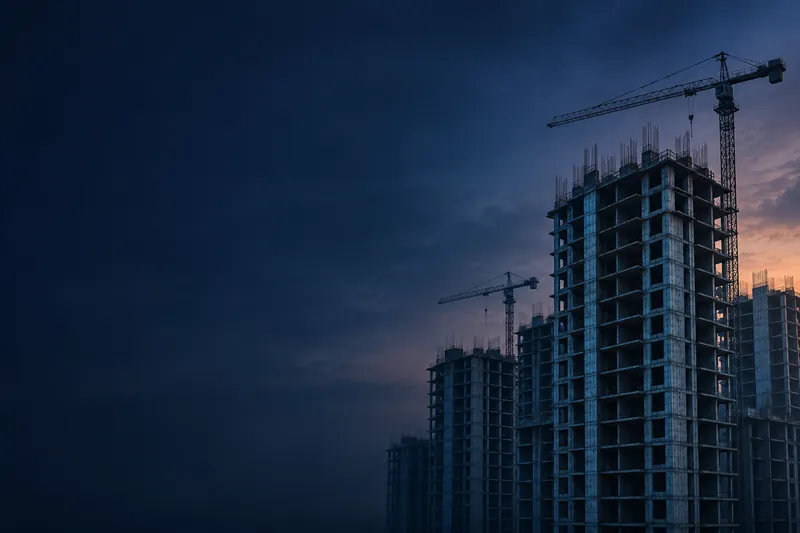
Chinese developers sold flats before building them, using buyers’ deposits and borrowed money to buy more land. Country Garden focused on lower-tier cities, where it built at enormous scale.
When regulators capped developer borrowing in 2020 and the economy slowed, home sales fell sharply. Buyers stopped paying for unfinished flats, and cash ran out. Country Garden had been seen as safer than Evergrande, so its default shook confidence further.
Its restructuring cut offshore debt through debt-for-equity swaps and new instruments, diluting the founding family. Some projects, such as Forest City in Malaysia, became symbols of over-expansion.
The case shows how pre-sales and leverage turn a property slowdown into a solvency crisis, and how cross-border restructuring works.
The lessonBusiness models that depend on rising prices and continuous borrowing break when either one stops.
Key moments
Yeung Kwok Keung founds Country Garden in Guangdong.
Country Garden lists in Hong Kong.
Beijing’s “three red lines” limit developer borrowing.
Country Garden discloses it cannot meet offshore debt obligations.
It unveils its restructuring plan; shares resume trading.
The Hong Kong High Court sanctions the plan; it takes effect.
For your seminar, paper or interview
- Q1
Why did pre-selling homes make developers so fragile?
- Q2
Was the “three red lines” policy the right way to reduce risk?
- Q3
How should creditors decide between restructuring and liquidation?
- Q4
What can investors learn about concentration in one sector?
- Leverage and liquidity
- Real estate cycles
- Debt restructuring
- Policy risk
Propose your solution
Pick a discussion question and set out what you would do, why, and what it would cost. Strong, well-argued answers are reviewed and published below with your first name and programme.
Published solutions
Loading published solutions…
- Law.asia: Country Garden restructuring takes effect ↗
- Yicai: creditors approve plan ↗
- Houlihan Lokey: $17.7bn restructuring ↗
- Reuters via Tiger: creditor support and ownership ↗
Figures are as reported in the cited sources. Check the source before quoting. Corrections: let us know through the solution form.