What happened
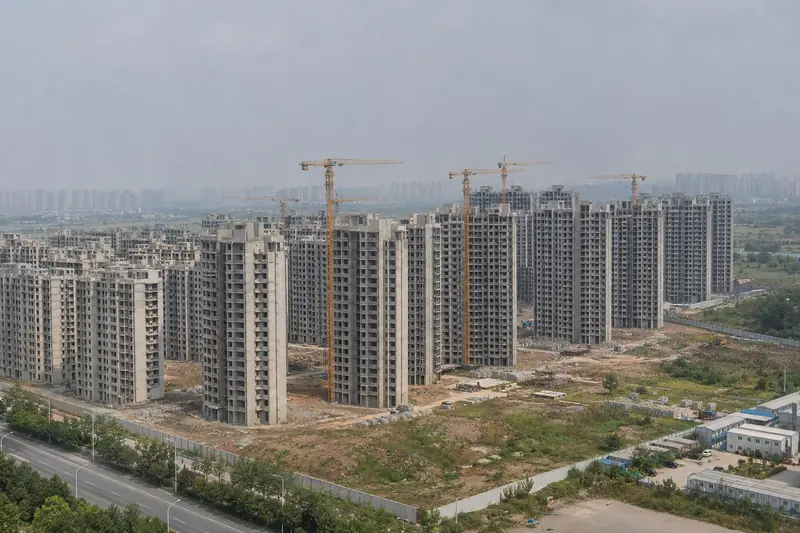
Chinese developers like Evergrande sold apartments before building them, used buyers’ deposits and borrowed money to buy more land, and repeated the cycle. As long as prices and sales rose, the model compounded. It also meant the company always depended on the next round of sales and credit.
When regulators moved to cap developers’ borrowing, the cycle stopped. Evergrande could not refinance, defaulted on its offshore bonds in 2021 and spent two years failing to win creditor support for a restructuring. Court documents showed about $25 billion owed to foreign creditors and total assets of about $240 billion, far below total liabilities. More than 90 percent of its assets sat in mainland China, beyond the direct reach of the Hong Kong liquidators.
The lessonPre-sales are a form of borrowing from customers. Growth funded by future sales looks self-financing until sales slow, and then every obligation comes due at once.
Key moments
Rating agencies warn about Evergrande’s finances; it defaults on its offshore dollar bonds.
A creditor, Top Shine Global, files a winding-up petition in Hong Kong.
The hearing is adjourned repeatedly while Evergrande tries to agree a restructuring.
Justice Linda Chan orders liquidation, saying “enough is enough”; Alvarez & Marsal are appointed liquidators.
For your seminar, paper or interview
- Q1
Explain how pre-sales and land banking turned Evergrande into a leveraged bet on rising house prices.
- Q2
Why does it matter that most assets were in mainland China while the liquidation was ordered in Hong Kong? What does that mean for foreign bondholders?
- Q3
If you were a policymaker in 2021, how would you deflate developer leverage without hurting families who had paid for unfinished homes?
- Leverage and refinancing risk
- Cross-border insolvency and creditor priority
- Systemic risk and moral hazard
Propose your solution
Pick a discussion question and set out what you would do, why, and what it would cost. Strong, well-argued answers are reviewed and published below with your first name and programme.
Published solutions
Loading published solutions…
- Hong Kong Free Press · court orders Evergrande to liquidate (29 Jan 2024) ↗
- AP via Ahram Online · liabilities, foreign debt and assets ↗
- IREI · overseas creditors and asset location ↗
Figures are as reported in the cited sources. Check the source before quoting. Corrections: let us know through the solution form.