What happened
The 2015 F-150 shifted its body to aluminium alloy while retaining a steel frame. Ford had to change how the body was formed, joined and repaired on a product important to truck buyers. Material substitution affected the purchase of metal, factory processes, service network and customer perception of durability.
Ford introduced the 2015 F-150 at the Detroit auto show on 13 January 2014. It was the first full-size pickup with an all-aluminium body, ENR reported.
The body is made of a high-strength, military-grade aluminium alloy, and Ford says the change cut up to 700 pounds of weight compared with the 2014 model. Ford identifies the alloy as a 6000-series aluminium.
The frame stayed steel. Automotive Fleet reports that the 2015 frame used 78 percent high-strength steel, compared with 23 percent in the previous model, saving about 60 pounds.
The Aluminum Association says the 2015 F-150 shed about 15 percent of vehicle body weight and became the first full-size Ford pickup to earn a five-star safety rating from the US National Highway Traffic Safety Administration.
The first 2015 F-150 rolled off the assembly line in November 2014, NPR reported, describing the move as one of the biggest gambles in the industry in years.
Ford tested the idea in public. Ford says it entered an aluminium-bodied 2014 F-150 in the Baja 1000 off-road race as part of its testing.
Lighter weight brought capability gains. Autobytel reports that maximum towing rose from 11,300 to 12,200 pounds.
Ford planned for recycling. Ford said it standardised the alloy chemistry of the body and bed so that aluminium scrap could be reclaimed and returned to manufacturing.
The exhibit shows how Ford also strengthened the steel frame while moving the body to aluminium.
Capital spending was large. Factories needed new tools for forming and joining aluminium.
Operating costs also changed, since aluminium costs more than steel and needs different repair methods.
Supply chains had to adjust, with new aluminium suppliers and recycling of scrap from the factory.
Body shops needed new training and equipment, which affected insurance and repair costs for owners.
Lighter weight helps fuel economy and payload, which matter greatly to truck buyers.
Other carmakers have since used more aluminium, while some have stayed with advanced steels.
Students can ask how a company should weigh the risk of changing a best-selling product.
Key concept: capital versus operating spending. Capital expenditure, or capex, buys long-lived assets such as factories, machines and tooling; its cost is spread over many years through depreciation. Operating expenditure, or opex, covers day-to-day costs such as wages, energy and materials.
The distinction matters because capex commits a company for years. Once a plant or production line is built, it must be used at high volume to earn back its cost, so capex decisions are among the most important a manager makes.
Key concept: supply chains. A supply chain is the network of suppliers, factories, transport links and distributors that turns raw materials into a finished product in a customer’s hands. Decisions about who supplies what, where parts are made and how much stock to hold affect cost, speed and resilience.
A lean chain with few suppliers and little stock is cheap to run but vulnerable to disruption, while a chain with backup suppliers and buffer stock costs more but recovers faster from shocks. Car makers worldwide have spent the past decade rebalancing that trade-off.
Key concept: opportunity cost. Opportunity cost is the value of the best alternative given up when making a choice. Money and time spent on one project cannot be spent on another.
Good decisions compare options against each other, not just against doing nothing.
Key concept: risk and return. In business and investing, higher potential returns usually come with higher risk. Entering a new market or launching a new kind of product can bring large rewards, but the chance of failure is also greater.
Managers weigh the size of the possible gain against the likelihood and cost of failure, and they often reduce risk by testing ideas on a small scale before committing large sums.
Key moments
Ford commits to aluminium-alloy body construction
New F-150 reaches customers
Repair facilities must support the changed material
Source: Automotive Fleet.
The trade-offs at the heart of the case
A closer look
At the body shop, a repairer needs the right joining method, tools and training even when replacement panels arrive on time. Include these costs and the vehicle’s downtime in an owner comparison. At the stamping plant, track offcuts that return as usable material. The F-150 material choice changes both sides of the vehicle’s life, and savings on one side do not automatically reimburse costs on the other.
The alternative on the table
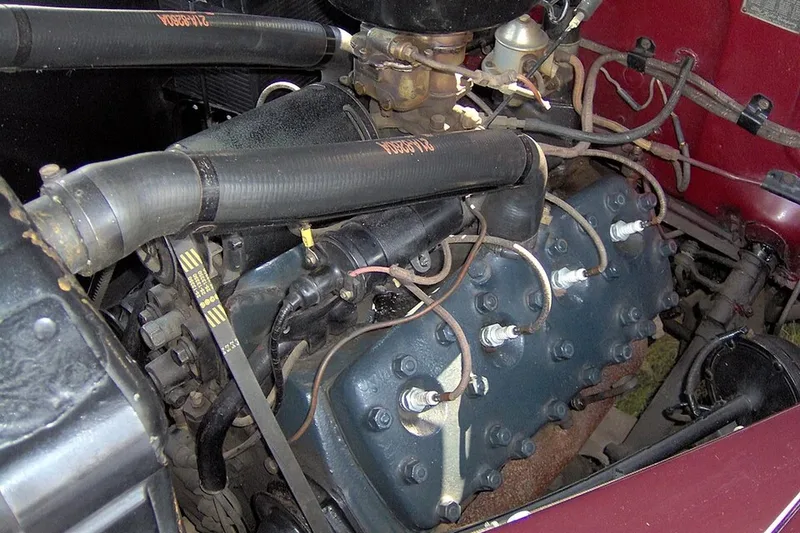
For comparison, consider the option to retain a steel body and pursue incremental weight savings. The related case “Casting an eight-cylinder engine for a mass market” supplies a useful reference point. Ford’s flathead V8 brought an eight-cylinder engine into a mass-market price class in 1932. The flathead case turns on the yield of an advanced casting. The F-150 turns on purchased metal, joining, recovered scrap and repairs. A direct metal-price comparison misses the most important process differences.
For your seminar, paper or interview
- Q1
Who captures the stamping-scrap benefit and who pays for new collision-repair capability?
- Q2
Which finding in the records on material cost net of scrap recovery and repair infrastructure would persuade you to retain a steel body and pursue incremental weight savings?
- Q3
Compare this decision with “Casting an eight-cylinder engine for a mass market”. Which difference between the cases would change your recommendation?
- Material substitution
- Lightweighting
- Manufacturing change
- Aftersales impact
How we would approach it
Simplifying Finance’s opinion, offered as a starting point for debate, not as fact or investment advice.
We think moving the F-150 body to aluminium was a bold but well-planned bet. Cutting up to 700 pounds improved fuel economy and capability on Ford’s most important product. The risk lay in factories, suppliers and body shops that all had to learn new methods, and any problem would have hit Ford’s biggest profit earner.
Change the material where it matters most
Use aluminium for the body, steel for the frame.
Prepare the whole chain
Train repairers and secure supply before launch.
Prove toughness publicly
Test hard to reassure loyal buyers.
What this plan gives up
Aluminium saves weight but raises material and repair costs.
The strongest counter-argument
Some argue advanced steels could have saved much of the weight at lower cost.
Metrics to watch
- Repair cost per claim
- Fuel economy against rivals
Propose your solution
Pick a discussion question and set out what you would do, why, and what it would cost. Strong, well-argued answers are reviewed and published below with your first name and programme.
Published solutions
Loading published solutions…
- s205.q4cdn.com • Ford Motor Co F-150 Advanced Materials Conference Call on March 12, 2015 / 3:00PM ↗
- techtimes.com • Ford retooling plant for aluminum F-150, assembly line shuttering for two months ↗
- autoweek.com • New Ford F-150 starts rolling out of Dearborn Truck Plant ↗
- Ford Motor Company • 2015 F-150: The Future of Tough ↗
- NPR • For best-selling truck, Ford bets big on aluminum ↗
- Automotive Fleet • 2015 Ford F-150 ↗
- The Aluminum Association • Ford’s All-Aluminum-Body F-150 Pickup Truck ↗
- Photo: 2016 Ford F-150 XL SuperCab 4x2 with XL Sport Package, front right, 07-09-2023 by MercurySable99, CC BY-SA 4.0 (cropped and resized) ↗
Figures are as reported by the companies or cited outlets as of 22 November 2026. Check the source before quoting. Corrections: let us know through the solution form.