What happened
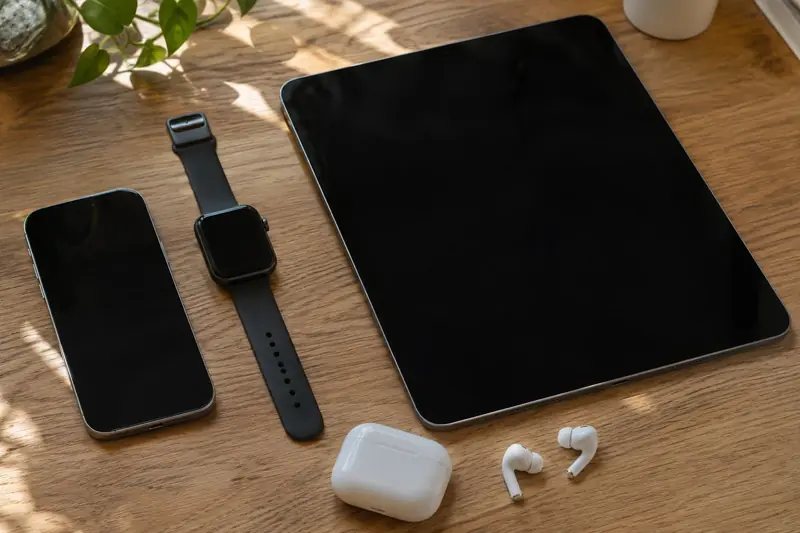
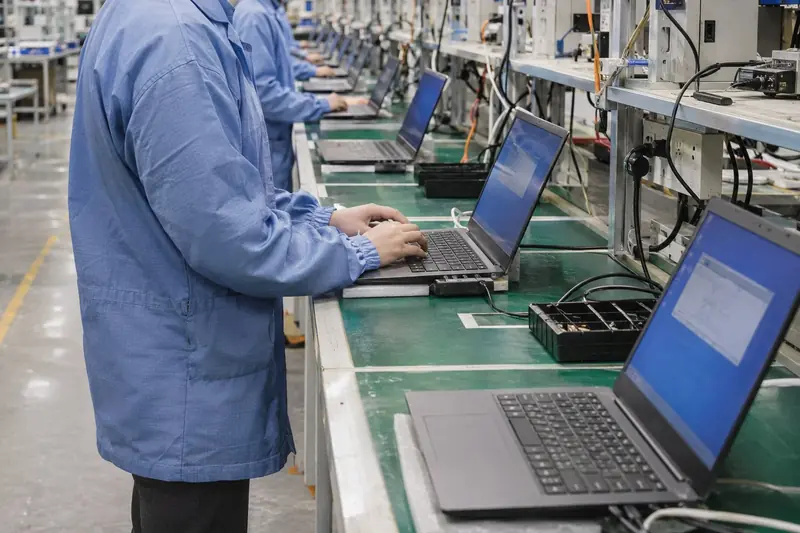
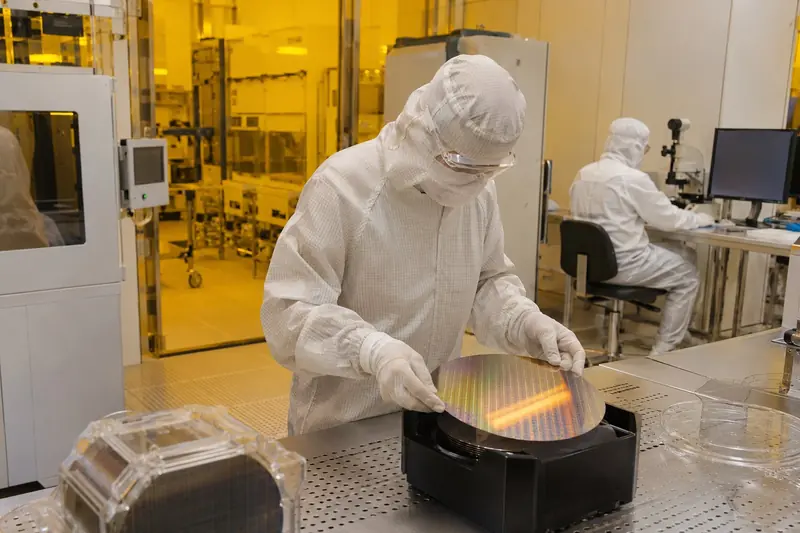
Huawei had prepared for years, designing its own chips and stockpiling parts. When sanctions hit, it rebuilt around Chinese suppliers, created its own operating system and moved into cars, cloud, energy and AI chips, helped by China’s push for self-reliance.
It survived, but at a cost. It lost most of its overseas phone market, its chips trail the best from Nvidia and TSMC, and growth has slowed. It is now a symbol of a technology world splitting into separate US and Chinese systems.
The lessonResilience is built before the crisis: Huawei’s long investment in its own technology gave it options when its suppliers were taken away.
Key moments
The US adds Huawei to its Entity List; Google services are cut off from new phones.
Rules extend to chips made anywhere with US technology; revenue still peaks at 891bn yuan.
Revenue falls 29% as the phone business collapses; Huawei sells its budget brand Honor.
Phones with Chinese-made advanced chips return; HarmonyOS grows.
Revenue reaches 880.9bn yuan; Ascend AI chips are tested by major Chinese tech firms.
For your seminar, paper or interview
- Q1
Did sanctions weaken Huawei or make it stronger in the long run?
- Q2
What should other companies learn about supply-chain dependence?
- Q3
Can a parallel Chinese technology ecosystem compete globally?
- Supply chain resilience
- Vertical integration
- Geopolitics and technology decoupling
Propose your solution
Pick a discussion question and set out what you would do, why, and what it would cost. Strong, well-argued answers are reviewed and published below with your first name and programme.
Published solutions
Loading published solutions…
- TelecomLead: Huawei 2025 revenue and profit ↗
- Macau Business / AFP: R&D and consumer business ↗
- WHBL / Reuters: 29% fall in 2021 ↗
Figures are as reported in the cited sources. Check the source before quoting. Corrections: let us know through the solution form.