What happened
When Lenovo bought IBM’s PC unit, many doubted a Chinese company could run a global brand. It kept ThinkPad’s quality, moved headquarters functions abroad and gradually integrated the business.
Later deals for servers and Motorola were harder: the server unit lost money for years. A restructuring and AI demand turned it profitable.
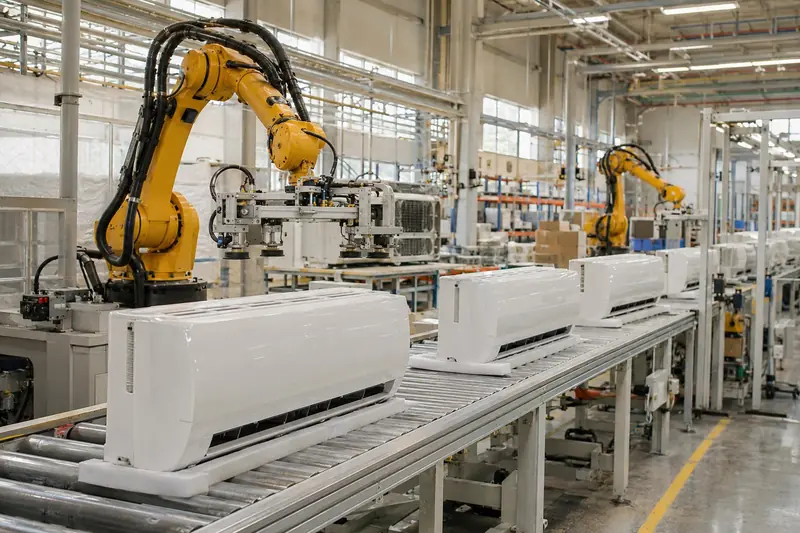
Lenovo now sells AI PCs, smartphones and Nvidia-based AI servers with liquid cooling. Margins in servers are thin, and US–China tensions remain a risk for a company operating in both markets.
The case shows how acquisitions built a global champion, and how a hardware company tries to capture the AI boom.
The lessonPatient integration of acquisitions can build a global leader — but new growth areas often start with thin margins.
Key moments
Liu Chuanzhi and colleagues found the company that becomes Lenovo.
Lenovo buys IBM’s PC business, including ThinkPad.
Lenovo becomes the world’s largest PC maker.
It buys IBM’s x86 servers and Motorola Mobility.
AI servers and AI PCs drive record growth.
Its AI server order backlog reaches about $21bn.
For your seminar, paper or interview
- Q1
Why did the IBM deal succeed?
- Q2
Why was the server business hard to make profitable?
- Q3
Can Lenovo earn good margins from AI hardware?
- Q4
How does Lenovo manage being both Chinese and global?
- Cross-border M&A
- Post-merger integration
- Diversification
- Global management
Propose your solution
Pick a discussion question and set out what you would do, why, and what it would cost. Strong, well-argued answers are reviewed and published below with your first name and programme.
Published solutions
Loading published solutions…
- Business Wire: Lenovo FY25/26 results ↗
- StorageNewsletter: Lenovo FY results ↗
- StorageNewsletter: Q3 PC share and restructuring ↗
- 36Kr: Lenovo’s annual report ↗
Figures are as reported in the cited sources. Check the source before quoting. Corrections: let us know through the solution form.