What happened
Indonesia’s initial sovereign green sukuk raised US$1.25 billion in 2018. UNDP describes it as a five-year issue aimed at conventional, Islamic and green investors . The government’s later allocation and impact report gives a split of 51 percent refinancing and 49 percent new financing and identifies eligible sectors including sustainable transport and resilience . Refinancing was disclosed as part of the design. Treating the entire issue as additional investment would change the meaning of the published numbers.
UNDP dates the first sovereign green sukuk issuance to March 2018 . The issuance date establishes when the government raised funds. The expenditure and impact reports can refer to different periods, which is why the investor must reconcile what was financed and when a benefit could first have arisen.
Indonesia turned a one-off into a programme. After the US$1.25 billion debut in March 2018, it issued global green sukuk every year: US$750 million in each of 2019, 2020 and 2021, US$1.5 billion in 2022, US$1 billion in 2023, US$600 million in 2024 and US$1.1 billion in 2025, about US$7.7 billion in total. It also sold green sukuk to Indonesian individuals online, raising Rp25.2 trillion from 2019 to 2023, the first retail green sukuk anywhere.
Green investors became a bigger part of each deal. According to the finance ministry, the share of green investors rose from 29 percent of the 2019 global issue to 33 percent in 2020 and 57 percent in 2021, before falling back to 36 percent in 2022. In 2023 Indonesia raised US$2.64 billion from green sukuk, US$1 billion globally and US$1.64 billion at home, bringing the total since 2018 to US$9.59 billion.
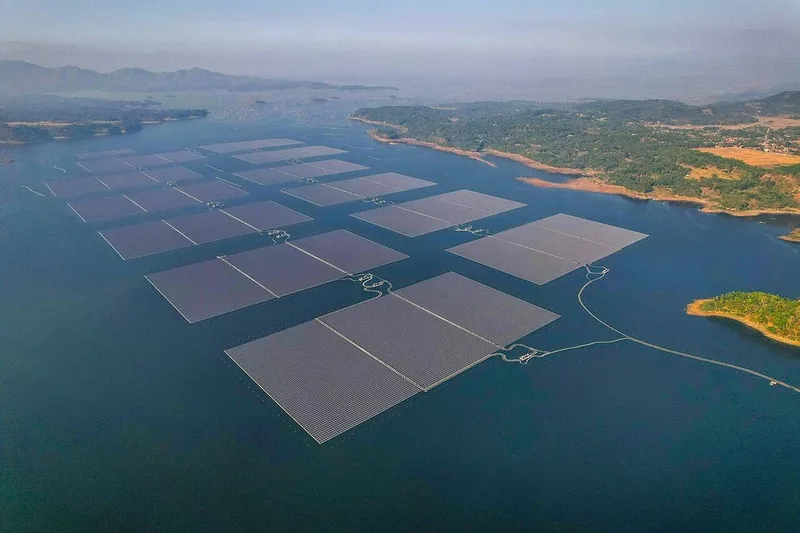
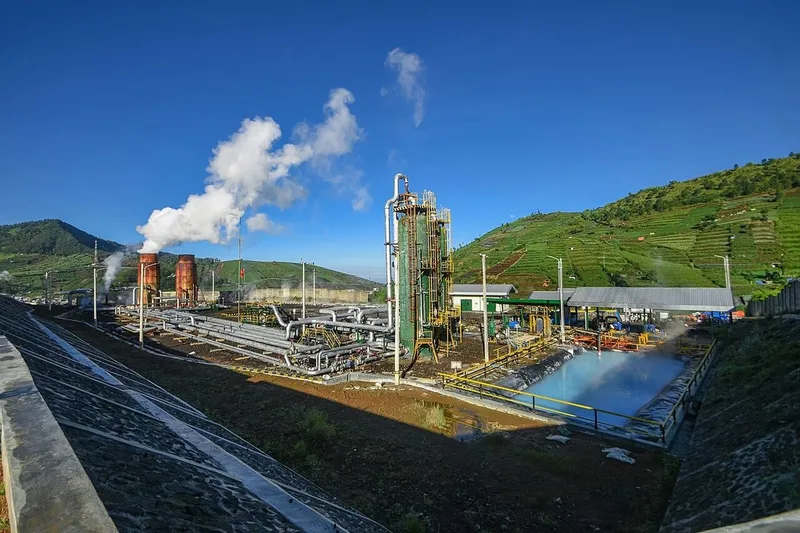
The money went mostly to transport, energy and climate resilience. The ministry’s 2023 report found sustainable transport took the largest share of green sukuk financing from 2018 to 2022, 32.39 percent. UNDP, which helped design the framework, notes that the ministry first had to build a system for tagging climate-related spending in the budget before it could promise investors where the proceeds would go.
Key moments
World’s first sovereign green sukuk, US$1.25 billion
First retail green sukuk sold to individuals
US$1.5 billion global issue, the largest since 2018
US$2.64 billion raised globally and domestically
Cumulative global issuance about US$7.7 billion
Global issues only, about US$7.7 billion in total. Retail green sukuk sold to Indonesian individuals raised Rp25.2 trillion more from 2019 to 2023. Sources: MDPI (2025), citing the finance ministry; Okezone.
The trade-offs at the heart of the case
Build two bridges through the accounts
The first bridge connects proceeds to eligible public spending. It needs project identifiers, dates, amounts and a rule preventing one expense being allocated twice. The second connects expenditure to an outcome. A railway asset may be delivered on budget while carrying fewer passengers than expected. An expenditure register can support the first bridge but cannot establish the second without operating evidence. Attribution is particularly important when a project has multiple financiers. Reporting the full emissions benefit under every funding source would multiply one outcome across several portfolios. Publish the baseline, its period and the fraction attributed to the sukuk alongside the result.
Let an investor trace a single allocation
Follow it to the eligible project category, the financing period and the portion attributed to this issuance. Then trace the environmental indicator independently. A correctly refinanced invoice can support a valid allocation even though the physical asset was already operating. Its reported impact needs an explicit period and attribution method. Walking through that single example makes the distinction tangible before the investor looks at portfolio totals.
Why a sukuk and not a bond
A sukuk gives investors a share in assets or their income rather than a loan with interest, which allows Islamic investors in the Gulf and Southeast Asia to buy it. Indonesia already issued conventional and Islamic debt, but adding a green label to a sukuk let it reach two growing pools of money at once: Sharia-compliant investors and environmental, social and governance funds. That widening of demand can lower borrowing costs slightly and gives the government more choice about where to raise money.
Refinancing versus new projects
Much of the money raised by green bonds and sukuk worldwide refinances spending that governments had already made. That is allowed under most green frameworks, but it means the bond did not cause the project to happen. Investors who want to know whether their money made a difference should look at the split between refinancing and new spending, and at whether the eligible budget is growing. An issuer that only relabels existing spending adds transparency but little extra climate finance.
For your seminar, paper or interview
- Q1
How would an auditor find the same expenditure claimed in two programmes?
- Q2
What distinguishes refinancing from additionality?
- Q3
Which transport baseline would you use to estimate avoided emissions?
- Q4
How should several financiers divide one project’s attributed impact?
- Q5
What does the invoice date tell you about refinancing?
- Use-of-proceeds bonds
- Allocation and impact reporting
- Islamic finance structures
- Investor base diversification
How we would approach it
Simplifying Finance’s opinion, offered as a starting point for debate, not as fact or investment advice.
Indonesia’s green sukuk is a strong example of using a familiar instrument to reach new investors and to force better tracking of climate spending. Investors should reward the transparency, but keep asking for clear separation of refinancing from new projects and for outcome data that can be checked independently.
Tag the budget first
Build a system to identify eligible climate spending before issuing.
Report allocation and impact
Publish annual reports tracing proceeds and outcomes.
Widen the investor base
Sell retail green sukuk to domestic savers.
What this plan gives up
Allowing refinancing makes issuance easier and regular but weakens the link between the bond and new climate projects.
The strongest counter-argument
If green sukuk only refinance budget spending that would have happened anyway, the main benefit is cheaper funding and good publicity, not additional climate action.
Metrics to watch
- Share of proceeds used for new projects
- Pricing compared with conventional sukuk
Propose your solution
Pick a discussion question and set out what you would do, why, and what it would cost. Strong, well-argued answers are reviewed and published below with your first name and programme.
Published solutions
Loading published solutions…
- Indonesian Ministry of Finance: green sukuk allocation and impact report ↗
- UNDP: Indonesia’s green bond and sukuk initiative ↗
- Ministry of Finance: 2024 Green Sukuk Allocation and Impact Report ↗
- MDPI: green bonds in Indonesia ↗
- ICIEC: interview on Indonesia’s green sukuk ↗
- Databoks: transportation largest sector financed ↗
- Okezone: green sukuk results ↗
- Image: Commuter trains at Jakarta Kota illustrate the transport sector. The photograph establishes no funding link to the sukuk. Photograph credit: NFarras. Original photograph · CC BY-SA 4.0. ↗
Figures are as reported by the companies or cited outlets as of 22 November 2026. Check the source before quoting. Corrections: let us know through the solution form.