What happened
A solar lantern can replace a kerosene purchase one evening at a time. That small recurring saving is easy to describe but does not tell us whether a family can afford the lamp today, whether it displaces the old light completely or how long it remains operational.
In a randomized field experiment, researchers varied access, transaction costs and subsidies for solar lighting. They measured actual use, energy consumption and household expenditure. This allowed a comparison of the up-front barrier to adoption with the recurring change in fuel use once a working lamp was available.
The study reports a reduction in kerosene use of about 1.47 litres per month. Demand was sensitive to purchase conditions. A physical fuel saving can be checked separately from the cash value assigned to it. A household’s monetary saving depends on the price it otherwise pays, reliability and the continued use of the lamp.
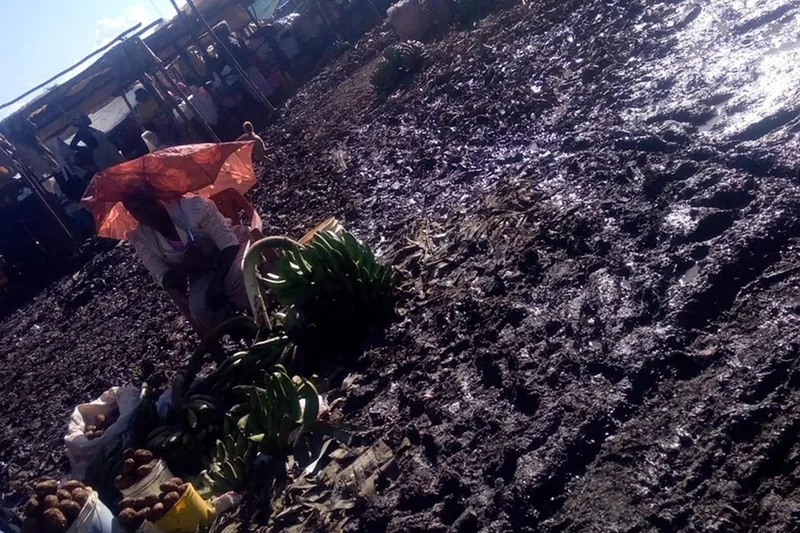
Kerosene lamps were the main source of light for many rural Kenyan homes. They are expensive to run, produce smoke that harms health, and pose fire risks. Solar lanterns charge during the day and provide light at night with no fuel cost.
The randomised experiment varied access, transaction costs and subsidies, and measured actual use and energy spending. It found a reduction in kerosene use of about 1.47 litres per month among households that used the lanterns, and that demand was sensitive to price and purchase conditions.
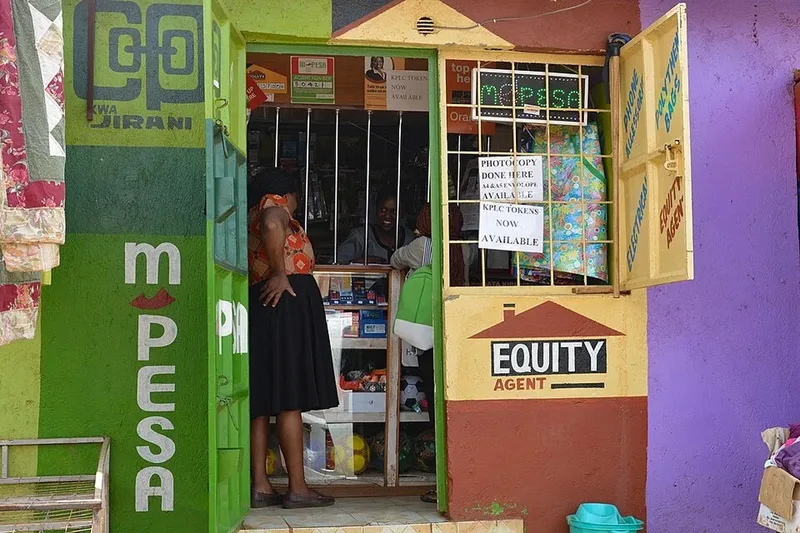
Kenya has become one of the world’s largest markets for off-grid solar. Pay-as-you-go companies, pioneered by firms such as M-KOPA, let customers pay in small daily or weekly instalments through mobile money, turning a large upfront cost into a manageable stream of payments.
For households, a lantern is a small investment with a payback period that depends on the price of kerosene and the lamp’s lifespan. For climate policy, replacing kerosene also cuts emissions and indoor air pollution, which is why some programmes count solar lighting as part of climate finance.
The case shows how a simple product can deliver financial, health and environmental benefits at once, provided the upfront cost barrier is addressed.
The quality of solar products matters. Early markets in East Africa saw cheap lamps that failed quickly, undermining trust. Quality standards and certification programmes, such as those supported by the World Bank’s Lighting Global initiative, helped buyers identify reliable products.
Lanterns also free households from regular trips to buy kerosene and reduce exposure to smoke, benefits that are harder to price but important for health, especially for women and children who spend more time at home in the evening.
Pay-as-you-go models have expanded beyond lanterns to larger solar home systems that power lights, phones, radios and televisions. Customers who complete their payments own the system, and some use their payment history to access other credit.
Subsidy design remains a key question for governments and donors. Well-targeted support can reach the poorest households without undermining the private companies that sell and service products in rural markets.
The study’s careful measurement of actual use, rather than assumed use, also offers a lesson for climate finance, where estimated emissions savings depend on what households really do.
Measured savings in litres provide a firmer basis for such claims than estimates built on optimistic usage assumptions.
Kenya’s experience has made it a hub for off-grid energy companies serving East Africa and beyond. Investors have funded firms that combine solar products with mobile payments, credit scoring and after-sales service.
For individual households, the decision is straightforward to analyse: compare the lamp’s price with the monthly kerosene saving, and calculate how many months it takes to recover the cost. Where kerosene is expensive, the payback can be short.
Durability then determines the total return, since a lamp that lasts several years keeps producing savings long after it has paid for itself.
Governments can support the market through tax policy, quality standards and consumer awareness, while leaving sales and servicing to private firms that know local customers.
Kenya removed import duties and value-added tax on some solar products at various points to encourage adoption, showing how fiscal policy can influence the speed of uptake, although such exemptions have also changed over time.
As incomes rise, many households move from lanterns to larger systems, and eventually to the grid, so each step can build on the last.
It is a small product with a large combined effect on budgets, health and the environment.
Key moments
Off-grid solar products spread across rural Kenya.
Researchers randomise access and subsidies for solar lighting.
ETH Zurich team reports energy and spending effects.
Source: ETH Zurich randomised study, ‘Decreasing Emissions by Increasing Energy Access?’
The trade-offs at the heart of the case
The financing decision
Compare providing more lamps with ensuring that existing lamps keep working. A household may have little practical access to a replacement part or repair. An equipment inventory should therefore distinguish a lamp delivered, a lamp still available and a lamp actually providing light.
For your seminar, paper or interview
- Q1
Which people would be missed by measuring only kerosene displaced over the lamp’s working life?
- Q2
Who carries the cost of purchase, delivery, repair and eventual replacement?
- Q3
What could the evidence on continued operation and actual fuel purchases over time change?
- Energy access
- Technology adoption
- Recurring savings
- Climate finance
How we would approach it
Simplifying Finance’s opinion, offered as a starting point for debate, not as fact or investment advice.
We think solar lanterns are a practical first step to clean lighting because they replace a recurring fuel cost with a one-off purchase. The barrier is the upfront price, so instalment plans and targeted subsidies are the most effective ways to spread them.
Spread the cost
Offer pay-as-you-go or instalment plans.
Target subsidies
Help the poorest households buy their first lamp.
Ensure quality
Promote certified products with warranties.
What this plan gives up
Subsidies speed adoption but may crowd out private sellers if poorly designed.
The strongest counter-argument
Some argue grid electricity or larger solar systems provide more lasting development benefits.
Metrics to watch
- Lantern ownership and use
- Monthly kerosene spending
Propose your solution
Pick a discussion question and set out what you would do, why, and what it would cost. Strong, well-argued answers are reviewed and published below with your first name and programme.
Published solutions
Loading published solutions…
- Decreasing Emissions by Increasing Energy Access? Evidence from a Randomized Field Experiment on Off-Grid Solar ↗
- Solar lighting and household energy use • research paper ↗
- Photo: What a solar lantern replaced in a rural home by Simplifying Finance, Original editorial graphic (cropped and resized)
Figures are as reported by the companies or cited outlets as of 22 November 2026. Check the source before quoting. Corrections: let us know through the solution form.