What happened
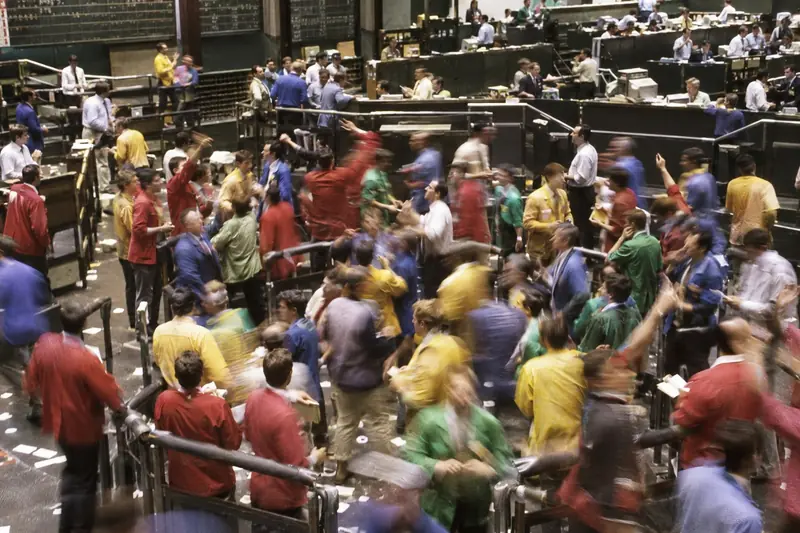
The Chief Investment Office was supposed to invest the bank’s excess deposits conservatively. Instead, a portfolio of credit-default-swap index trades grew so large that it moved the market and other traders bet against it.
As losses mounted, a change to the risk model reduced reported risk, and traders marked positions in ways that hid losses. A US Senate report later criticised the bank’s risk controls and oversight.
The lessonEven the strongest banks need independent risk checks; a “hedge” that no one can explain is a bet.
Key moments
The CIO builds a large synthetic credit portfolio.
Media report a huge trader nicknamed the “London Whale”.
JPMorgan discloses losses of $2bn, later rising to about $6.2bn.
The bank agrees to about $920m in fines and admits wrongdoing.
For your seminar, paper or interview
- Q1
How can a hedge turn into a speculative position?
- Q2
What role did the risk model change play?
- Q3
How should boards oversee trading units?
- Model risk
- Risk governance
- Market liquidity
Propose your solution
Pick a discussion question and set out what you would do, why, and what it would cost. Strong, well-argued answers are reviewed and published below with your first name and programme.
Published solutions
Loading published solutions…
Figures are as reported in the cited sources. Check the source before quoting. Corrections: let us know through the solution form.