What happened
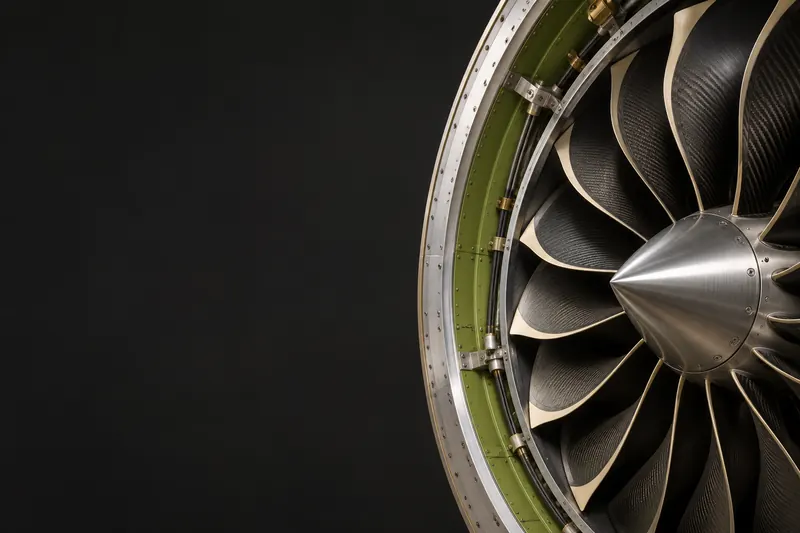
Rolls-Royce earns most of its money servicing engines over decades, often paid per hour flown. When aircraft stopped flying in 2020, cash dried up. Even before Covid, it had signed contracts that underpriced long-term service and suffered costly durability problems with its Trent 1000 engines.
The turnaround focused on pricing and efficiency: renegotiating unprofitable contracts, cutting overheads and making engines last longer between costly repairs. Demand for power systems for data centres and for defence spending added further growth.
The lessonA company can have world-class technology and still lose money if contracts are priced badly. Pricing discipline can transform profits.
Key moments
Covid grounds planes; Rolls-Royce, paid by engine flying hours, burns billions and cuts about 9,000 jobs.
It raises £2bn from shareholders and sells assets to survive.
Tufan Erginbilgic becomes CEO and launches a hard-edged turnaround.
Contracts are repriced, costs cut and engine durability improved.
Record results; mid-term targets reached two years early.
For your seminar, paper or interview
- Q1
Why did paying by flying hours make Rolls-Royce so vulnerable in 2020?
- Q2
What did the “burning platform” message achieve?
- Q3
Can Rolls-Royce win in narrow-body engines, where it is absent today?
- Turnaround management
- Pricing and contract design
- Aftermarket business models
Propose your solution
Pick a discussion question and set out what you would do, why, and what it would cost. Strong, well-argued answers are reviewed and published below with your first name and programme.
Published solutions
Loading published solutions…
- Yahoo / Moby: Rolls-Royce turns cash machine ↗
- Rolls-Royce: 2025 full-year results ↗
- Sherwood: profits at record highs ↗
Figures are as reported in the cited sources. Check the source before quoting. Corrections: let us know through the solution form.