What happened
Stone disclosed a R$1.50 per share increase in the cash portion of its proposal in November 2020, conditional on shareholder approval. Its filing records unconditional competition clearance on 16 June 2021 and completion on 1 July. The bid amendment was an increase in one component. Reading it as either the total price or a recurring cost per merchant would confuse the acquisition terms with the economics of running the platform.
A payment integration can remove manual reconciliation, reduce mistakes and speed up the return of goods. These are reasons for a merchant to choose a service voluntarily. Bundling can also make switching processors expensive. Adoption achieved by forcing merchants to change their existing setup may produce attractive early volumes followed by software churn as contracts expire. A presentation reporting attached payment volume alone will miss that effect.
Start with a merchant that has already signed for the software. The incremental economics of selling it payments depend on processing margin after network costs, losses and support, along with the effect on software retention. Count volume transferred from an existing Stone terminal separately. Relabelling that volume as a new cross-sale would credit the acquisition for business the buyer already had.
StoneCo is a Brazilian payments company listed on Nasdaq, providing card machines and financial services to merchants. Linx was Brazil’s leading provider of retail management software, used by many shops and restaurants. In August 2020 Stone agreed to buy Linx for about R$6 billion, aiming to combine software and payments.
Rival software company Totvs made a competing offer of about R$6.1 billion, mostly in shares. Stone raised its cash offer several times, reaching R$33.56 per Linx share plus 0.0126774 Stone shares in November 2020, valuing the deal at about R$6.7 billion. Linx shareholders approved it with 55.95% of votes in favour. The deal was controversial because of payments to Linx’s founders under non-compete agreements.
CADE cleared the deal unconditionally on 16 June 2021, and it was completed on 1 July 2021. The case shows how bidding contests can push up prices and why the strategic logic must justify the premium.
Key moments
Stone improves the cash component of its proposal.
CADE clears the combination.
Stone completes the transaction.
Each Linx share also received 0.0126774 StoneCo Class A shares; the total deal was about R$6.7bn. Rival bidder Totvs offered about R$6.1bn. Sources: MarketScreener; StoneCo SEC filings; InfoMoney.
The trade-offs at the heart of the case
A merchant who already uses both products
Imagine a Linx merchant already using a Stone terminal beside the till. After integration the merchant adopts a single interface, and processing volume begins appearing in an integrated-product dashboard. The interface can save time and reduce errors. Almost none of the payment volume may be new to Stone. The credible acquisition benefit is the incremental saving, retention or volume relative to this merchant’s existing relationship, not the entire amount appearing on the new screen. A merchant new to Stone presents a different problem. A large initial discount may cover the cost of switching acquirers and attract payment flows for a few months. If the merchant later negotiates a lower processing price or returns to the previous provider, the integration may not recover its implementation and support cost. Compare cohort earnings after introductory terms end and account for chargebacks and support. A measure of transaction volume alone will reward deeply unprofitable acquisition. A rival payment processor might be willing to pay for continued access to the software. Keeping that option creates a visible alternative revenue stream and supports merchant choice. It may also reduce the incentive of the internal payment team to win business on price or service. Evaluate external integrations on clear commercial terms and check whether the in-house service earns its position when the merchant can realistically choose another. That test addresses a strategic tension no closing announcement could resolve.
For your seminar, paper or interview
- Q1
Which payment flows were already on Stone before integration?
- Q2
Would accepting a rival processor improve or weaken the software business?
- Q3
How long should a merchant cohort be observed after promotional prices expire?
- Q4
How would you verify net new merchant contribution after software churn using information available at the time?
- Q5
Which finding about voluntary take-up and software renewals would most change your recommendation, and why?
- Contested takeovers
- Software plus payments
- Bundling
- Founder agreements
How we would approach it
Simplifying Finance’s opinion, offered as a starting point for debate, not as fact or investment advice.
The merchant support team can supply an early signal of value that accounting systems miss. Compare the reasons for support calls before and after a store adopts the combined product. A fall in reconciliation questions accompanied by a rise in payment disputes calls for a different response from a broad decline in both. Follow the time spent by store employees as well as by the software provider. A self-service change can improve the provider’s margin while making the merchant’s evening close longer and less reliable. Offer an integrated option while preserving a credible alternative for merchants with established payment arrangements. Test it by retail category, since a supermarket and a specialist shop have different ticket sizes and reconciliation needs. If integration genuinely lowers the merchant’s total cost, take-up and retention should persist beyond the introductory incentive. If they do not, revisit the design before widening the sales target.
Raise the cash component
Improve the bid in steps to win a contested auction.
Bundle software and payments
Sell retail software and card processing together to merchants.
Lock in founders
Use non-compete agreements to keep key people.
What this plan gives up
Owning Linx gave Stone a large base of retail software clients to sell payments to, but the bidding war raised the price, and integrating software and payments proved harder than expected.
The strongest counter-argument
A useful pilot could place the integrated till in a group of stores with predictable transaction patterns and leave a comparable group on its existing systems. Count time saved per reconciliation and compare end-of-day discrepancies. Then observe what happens when a customer returns goods at a different branch or reverses only part of a sale. Exceptions are often where the claimed convenience either becomes genuinely valuable or creates expensive support work. Merchant choice also gives the product team information. If merchants enthusiastically adopt integrated reporting but retain another processor, the software may have a strong independent business. A sales incentive that rewards only payment attachment would overlook that possibility. Compare the return from improving standalone software with the return from additional payment integration. A combined owner can create value in either direction provided the investment reaches merchants willing to pay enough to cover development and ongoing support. Related merchants with multiple stores must not be counted twice as new customer groups. The voluntary choice is most informative after the discount expires.
Metrics to watch
- Stone software revenue
- Payments cross-sell
Propose your solution
Pick a discussion question and set out what you would do, why, and what it would cost. Strong, well-argued answers are reviewed and published below with your first name and programme.
Published solutions
Loading published solutions…
- StoneCo November 2020 amendment to the cash consideration (US SEC EDGAR) ↗
- StoneCo financial statements, clearance and closing of Linx (US SEC EDGAR) ↗
- CADE: Clears the acquisition of Linx by Stone ↗
- StoneCo: Form 20-F 2021 (SEC) ↗
- InfoMoney: Linx shareholders approve sale to Stone ↗
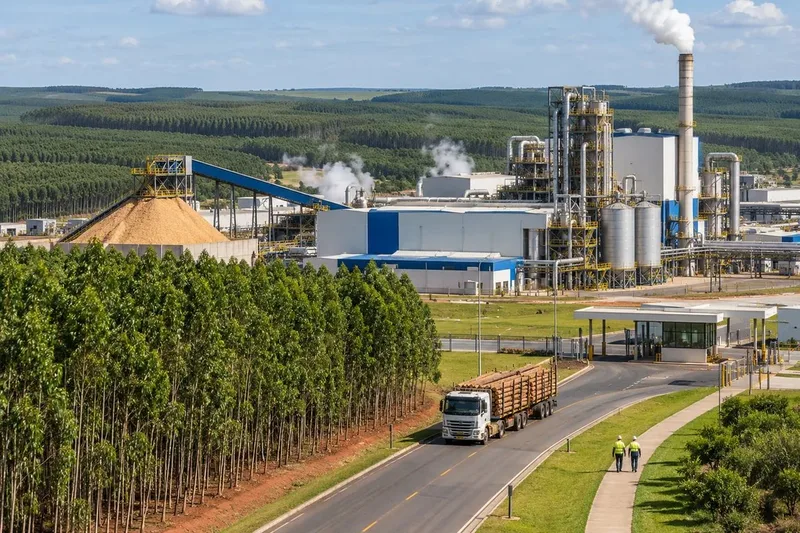
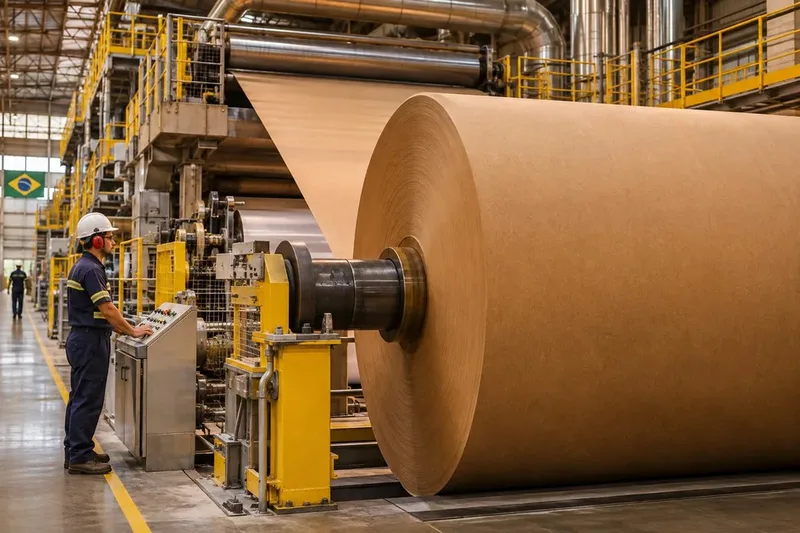
- Image: Simplifying Finance · AI-generated editorial illustration
Figures are as reported by the companies or cited outlets as of 22 November 2026. Check the source before quoting. Corrections: let us know through the solution form.