The idea
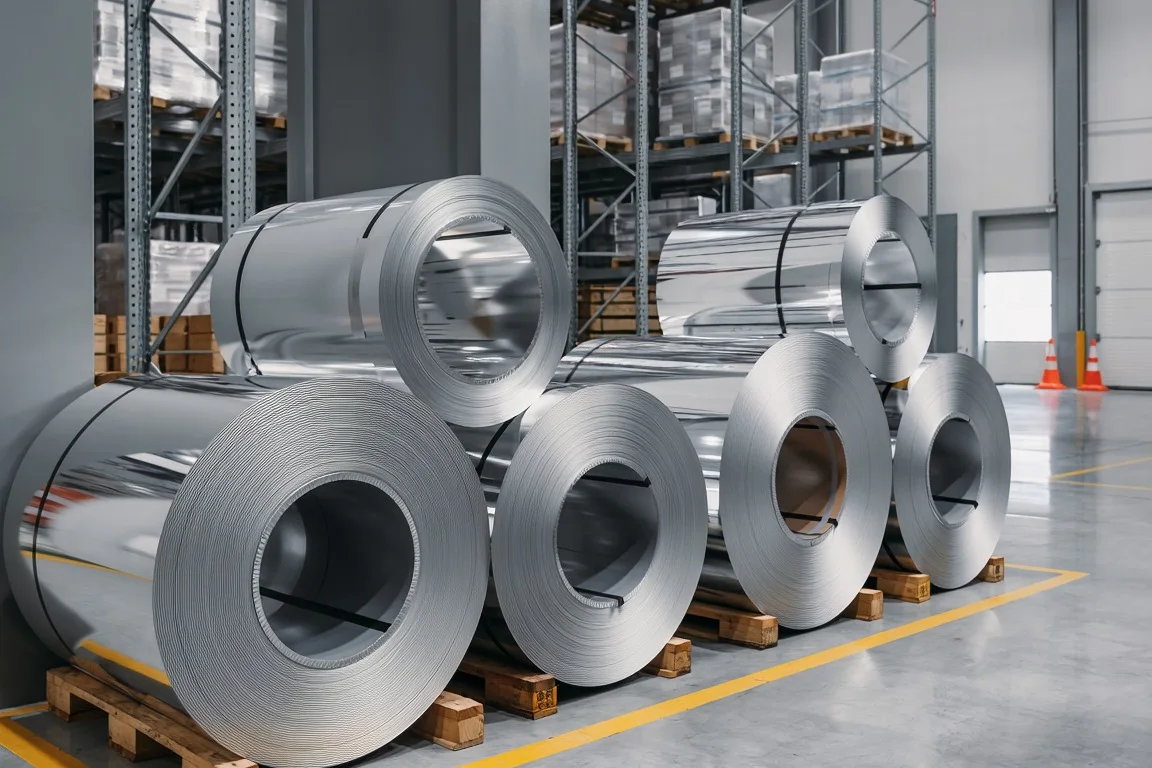
Aluminium is light, strong, rust-resistant and endlessly recyclable. It is used in cars, aircraft, drinks cans, window frames, power lines and packaging. After steel it is the world's most widely used metal.
Making it is hugely energy-intensive. Bauxite ore is refined into alumina, and alumina is turned into aluminium by electrolysis in smelters that run around the clock. Electricity can make up a third or more of a smelter's costs, which is why aluminium is sometimes called solid electricity.

Why energy decides who produces
Smelters are built where power is cheap and reliable: near hydropower in Canada, Norway and Iceland, near coal in China, and near natural gas in the Gulf. When European energy prices soared in 2022, several European smelters cut output because they could no longer run profitably.
The Gulf is a major producer. Emirates Global Aluminium, owned by Mubadala and the Investment Corporation of Dubai, runs some of the largest smelters in the world, using the region's gas-fired power.
The production chain
Each step adds cost and energy.
| Step | What happens | Main input |
|---|---|---|
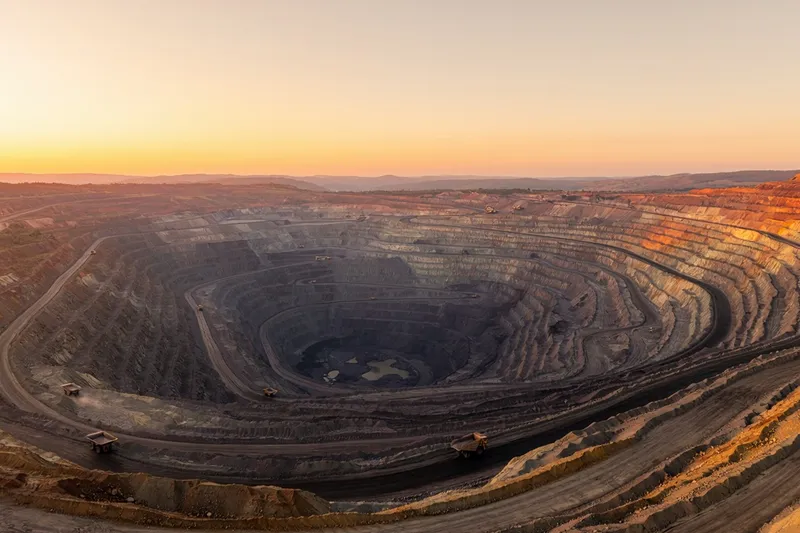
| Mining | Bauxite dug from the ground | Land, diesel |
| Refining | Bauxite becomes alumina | Heat, caustic soda |
| Smelting | Alumina becomes aluminium | Large amounts of electricity |
| Recycling | Scrap melted again | About 5% of the energy of new metal |
China and global supply
China produces more than half of the world's aluminium. To limit pollution and energy use, Chinese authorities have set a production cap of around 45 million tonnes a year. As output approaches that ceiling, growth in world supply depends more on other regions, which can support prices.
Trade policy matters too. Tariffs and sanctions, such as restrictions on Russian metal, can reshape trade flows and regional prices.
What drives demand
Transport is a key driver: lighter vehicles, especially electric ones, use more aluminium to offset heavy batteries. Packaging and construction are large, steady uses. Power grids and solar panel frames add demand as countries expand renewable energy.
Recycled aluminium is a growing share of supply. Because recycling saves about 95% of the energy, low-carbon and recycled aluminium often sells at a premium to customers trying to cut emissions.
Prices and investing
The main global benchmark is the London Metal Exchange price, but buyers also pay regional premiums for delivery, which can swing widely. Investors usually gain exposure through shares of producers or diversified miners, or through commodity funds that include industrial metals.
Producer profits depend on the gap between the aluminium price and costs, especially power. A smelter with long-term cheap power contracts is in a very different position from one buying power at market prices.
The recycling advantage
Aluminium can be recycled again and again without losing quality, and recycling needs only a small fraction of the energy used to make new metal. Roughly three-quarters of all aluminium ever produced is believed to still be in use today. Drinks cans are a well-known example: a used can may be melted down and back on a shop shelf within a couple of months.
As carbon rules tighten, recycled and low-carbon aluminium is becoming more valuable. Car makers, packaging companies and builders increasingly ask suppliers to prove the carbon footprint of the metal they buy. Producers with access to renewable power or strong recycling operations may be able to charge premiums that others cannot.
A realistic scenario
Rashid compares two aluminium producers. One buys electricity at market prices in Europe; the other runs on long-term gas-fired power in the Gulf. When energy prices spike, the first company's margins collapse while the second's barely change. He concludes that energy contracts matter more than the metal price when judging aluminium companies.
Questions to ask about aluminium exposure
- How is the producer's electricity priced and secured?
- How close is China to its production cap?
- Do tariffs or sanctions affect regional prices?
- How much low-carbon or recycled metal does it make?
- Is the investment part of a diversified commodity holding?
The short version
Aluminium is made with huge amounts of electricity, so power costs largely decide who can produce it profitably. China dominates output under a production cap, and the Gulf is a major low-cost producer. Demand grows with lighter vehicles, packaging and power grids.
Illustration: smelting one tonne of aluminium uses roughly 14,000 kilowatt-hours of electricity. If power costs rise by 3 US cents per kilowatt-hour, the cost of each tonne rises by about $420.
Aluminium is energy turned into metal. Watch power prices and Chinese output as closely as demand.
Primary educational reference
International Aluminium Institute · Statistics ↗Reviewed November 21, 2026. Examples are hypothetical illustrations in AED or USD. Educational content, not personalised investment, legal or tax advice.