The idea
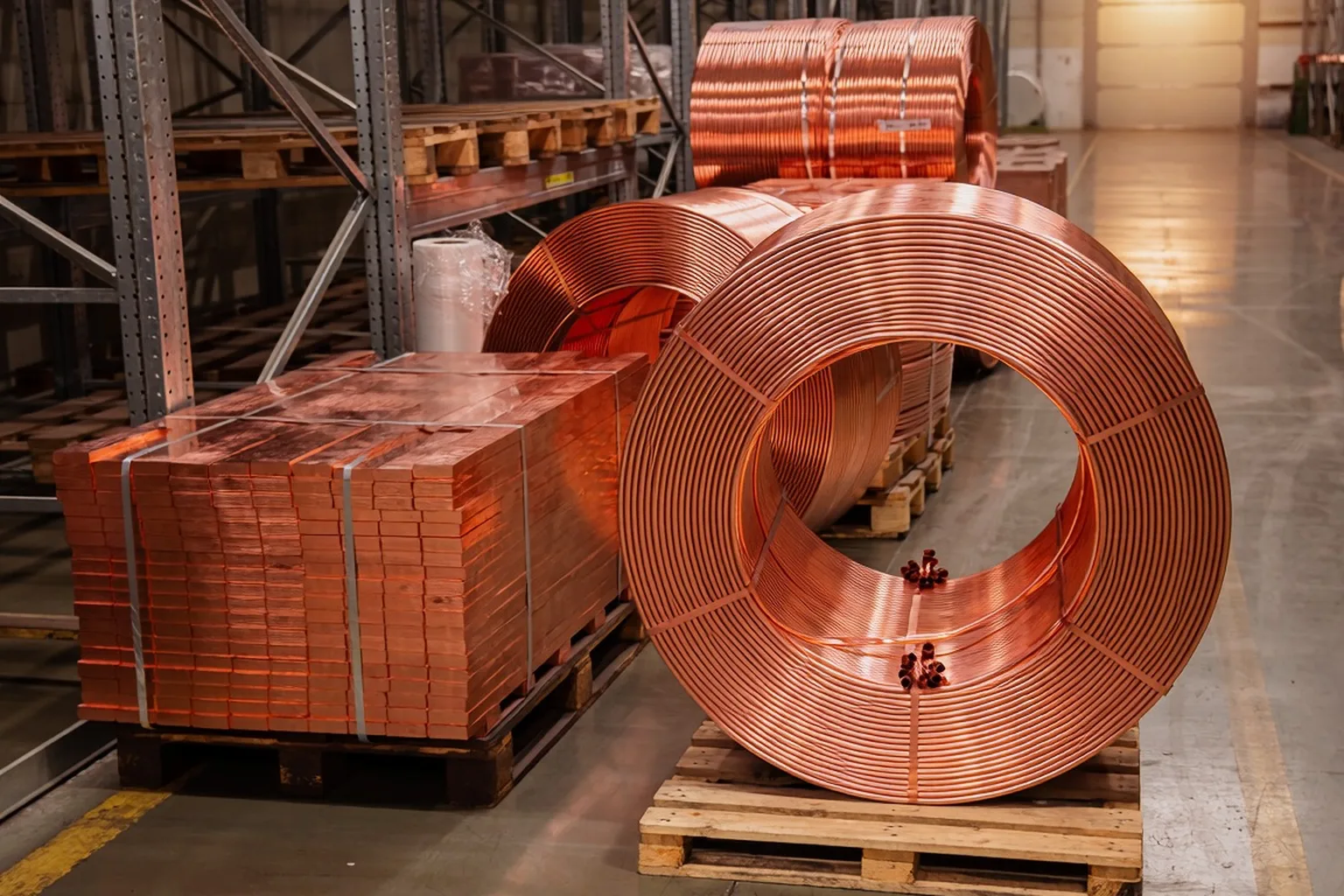
Copper conducts electricity and heat extremely well, resists corrosion and is easy to shape. It is used in wiring, plumbing, motors, transformers, power grids, air conditioners and electronics. Because it goes into so much of the physical economy, its price tends to rise when activity is strong and fall when it slows, earning it the nickname 'Dr Copper'.
China uses roughly half of the world's refined copper, so Chinese construction, manufacturing and grid spending have an outsized effect on prices.
Where copper goes (approximate shares)
| Use | Share of demand | Examples |
|---|---|---|
| Construction | About 25% to 30% | Wiring, plumbing, air conditioning |
| Power grids and equipment | About 25% to 30% | Cables, transformers, renewable connections |
| Industrial machinery | About 10% to 15% | Motors, pumps |
| Transport | About 10% to 15% | Cars, EVs, trains |
| Consumer goods and electronics | About 10% to 15% | Appliances, devices |
Supply side
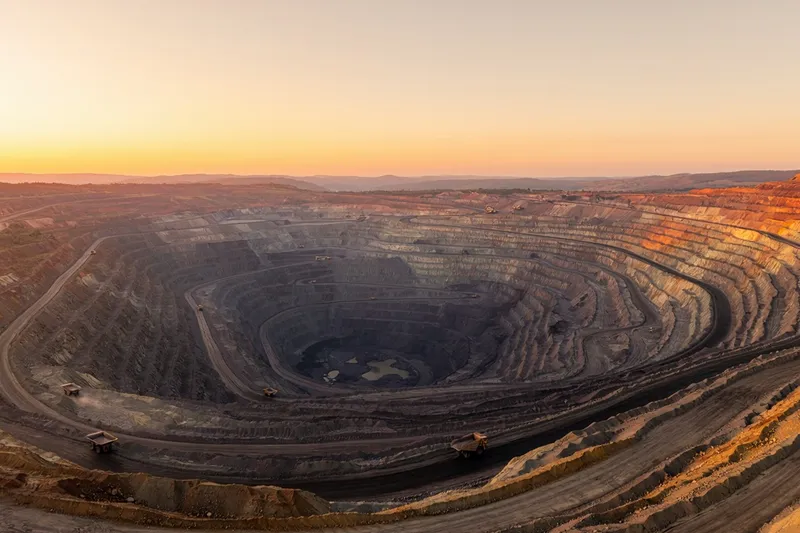
Chile and Peru
Together produce about a third of mined copper.
Falling ore grades
Many large mines produce less copper per tonne of rock over time.
Long lead times
New mines can take 10 to 20 years from discovery to production.
Disruptions
Strikes, protests, water shortages and politics often cut output.
Copper and electric vehicles
A petrol car contains roughly 20 to 25 kg of copper; a battery electric car about 60 to 80 kg.
Charging networks, solar farms and wind turbines also need large amounts.
If supply growth lags, analysts expect deficits later this decade, though forecasts differ.
Higher prices encourage new mines, recycling and substitution with aluminium where possible.
Ways to follow copper
LME and COMEX prices
Benchmark prices in London and New York.
Exchange inventories
Falling warehouse stocks can signal tightness.
China data
Property, grid investment and factory surveys.
Mining shares and ETFs
Higher-risk ways to gain exposure.
Copper in the Gulf
The UAE is a significant hub for copper processing and trading through facilities and free zones, and Gulf investment funds have taken stakes in mining projects abroad to secure supply of critical minerals. Saudi Arabia is also developing a mining sector as part of economic diversification.
Large grid and data centre projects in the region add to local demand for copper cable and equipment.
A realistic scenario
Noor notices that copper prices have fallen 15% in two months while stock markets are still rising. She reads that Chinese property construction has slowed and factory surveys have weakened.
She takes it as a warning sign rather than a signal to act immediately, checks her portfolio's exposure to cyclical sectors and decides her diversified mix is suitable. Months later, global growth forecasts are cut, confirming copper's early signal.
Questions to ask yourself
Is the copper move driven by demand or by a supply disruption? What do Chinese economic data show? Are exchange inventories rising or falling? How long would it take for new supply to respond? How exposed is my portfolio to industrial cycles?
Official sources to check
The International Copper Study Group (icsg.org) publishes monthly supply and demand data. The London Metal Exchange (lme.com) publishes prices and warehouse stocks. The International Energy Agency (iea.org) publishes reports on critical minerals for clean energy.
Common mistakes
Reading copper alone
Supply disruptions can lift prices in a weak economy.
Ignoring China
Chinese policy often outweighs other data.
Assuming smooth demand
EV-driven demand grows unevenly.
Buying miners at peaks
Cyclical shares often peak with prices.
Your checklist
- I know copper follows industrial activity.
- I watch China's economy as a major driver.
- I understand supply is slow to respond.
- I treat long-term demand forecasts with caution.
The short version
Copper is used throughout the economy, so its price tracks industrial growth, especially in China. Electrification adds long-term demand while new supply takes many years. Watch copper as an economic signal and invest with care.
Illustration: a typical petrol car contains around 20 to 25 kg of copper; a battery electric car roughly 60 to 80 kg. One million extra EVs could add around 50,000 tonnes of copper demand.
Copper's price reflects industrial activity, especially in China, and the energy transition is adding a long-term source of demand.
Primary educational reference
International Copper Study Group ↗Reviewed November 20, 2026. Examples are hypothetical illustrations in AED or USD. Educational content, not personalised investment, legal or tax advice.