The idea
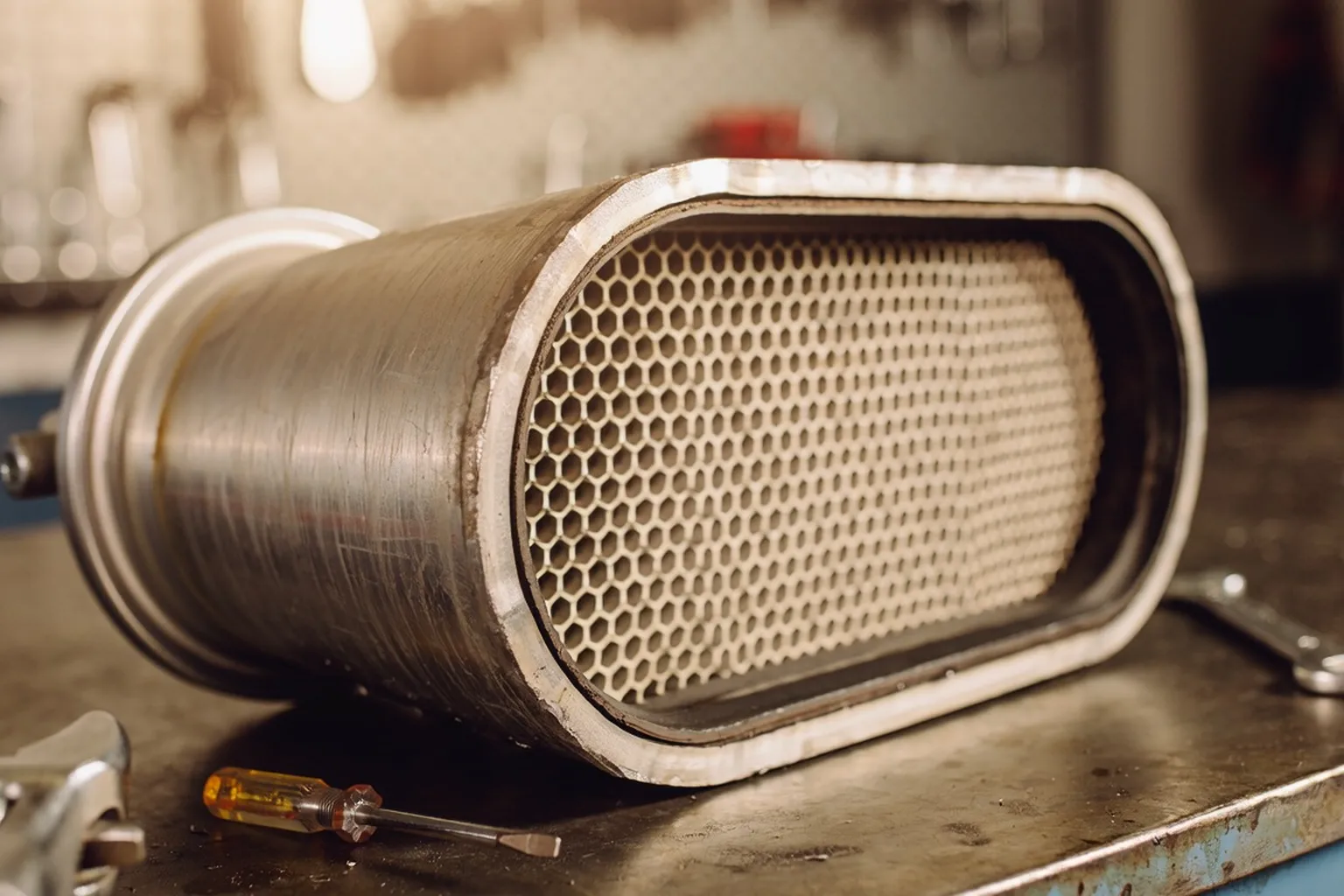
Platinum and palladium belong to the platinum group metals (PGMs). Their main use is in catalytic converters, which clean exhaust gases from petrol and diesel engines. Palladium is used mostly in petrol cars, platinum more in diesel vehicles and increasingly as a substitute for palladium.
Supply is extremely concentrated. South Africa produces roughly 70% of mined platinum, and Russia and South Africa together produce most of the world's palladium.
Comparing the two
| Feature | Platinum | Palladium |
|---|---|---|
| Main use | Diesel catalysts, industry, jewellery, hydrogen fuel cells | Petrol car catalysts |
| Largest producer | South Africa | Russia, then South Africa |
| Electric vehicle risk | Offset partly by hydrogen and industrial use | High: battery EVs need none |
| Price history | Below gold for most of the last decade | Spiked above USD 3,000 in 2022, then fell sharply |
Substitution in action
When palladium rose far above platinum's price, carmakers redesigned catalysts to use more platinum in petrol engines.
That shift takes years but reduces palladium demand and raises platinum demand.
Prices then adjust as the market rebalances.
High prices often contain the seeds of their own decline through substitution.
Supply risks
Power shortages
Electricity problems in South Africa have disrupted mining.
Sanctions
Trade restrictions on Russian metals can reroute supply.
Recycling
Old catalysts are a growing source of metal.
Deep mines
High costs make output slow to respond to prices.
Ways to invest
Physical bars and coins
Wider spreads than gold; storage needed.
ETFs
Physically backed platinum and palladium funds exist in some markets.
Mining shares
Highly sensitive to metal prices and South African conditions.
Futures
Traded on NYMEX; for experienced traders only.
Hydrogen and new uses
Platinum is used as a catalyst in proton exchange membrane fuel cells and electrolysers that produce hydrogen. If hydrogen-powered trucks and green hydrogen production grow, platinum demand could rise even as car catalysts decline.
These uses are still small and depend on policy support and costs. Forecasts vary widely, so treat any long-term demand story with caution.
A realistic scenario
Tariq bought a palladium ETF in 2021 after reading about supply shortages. Prices spiked in early 2022 and then fell by more than half over the next two years as carmakers substituted platinum and electric vehicle sales grew.
He learns that small, concentrated markets can swing dramatically and that substitution and technology shifts can change demand faster than expected. He now holds precious metals mainly through gold and limits specialised metals to small positions.
Questions to ask yourself
How dependent is demand on one industry? Where is supply concentrated, and what are the risks there? Can users substitute one metal for another? How fast is technology changing demand? Can I tolerate 50% price swings?
Official sources to check
The World Platinum Investment Council (platinuminvestment.com) publishes quarterly supply and demand data. The London Platinum and Palladium Market (lppm.com) sets trading standards. Johnson Matthey (matthey.com) publishes long-running PGM market reports.
Common mistakes
Story investing
Supply deficit stories can reverse quickly.
Ignoring substitution
Carmakers switch metals when prices diverge.
Thin markets
Wide spreads on bars and coins.
Large positions
Swings of 50% are common in these metals.
Your checklist
- I know car demand drives these metals.
- I understand supply is concentrated in a few countries.
- I have considered the electric-vehicle shift.
- I accept that small markets mean big price swings.
The short version
Platinum and palladium are rare industrial metals tied to car exhaust systems, with supply concentrated in South Africa and Russia. Substitution and the shift to electric vehicles create large, unpredictable price swings.
Illustration: a petrol car's catalytic converter may contain around 2 to 7 grams of platinum-group metals. Multiplied across tens of millions of cars a year, autocatalysts are the largest source of demand.
Platinum and palladium are industrial metals with tiny, concentrated supply; car demand and supply disruptions drive extreme price swings.
Primary educational reference
World Platinum Investment Council ↗Reviewed November 20, 2026. Examples are hypothetical illustrations in AED or USD. Educational content, not personalised investment, legal or tax advice.