The idea
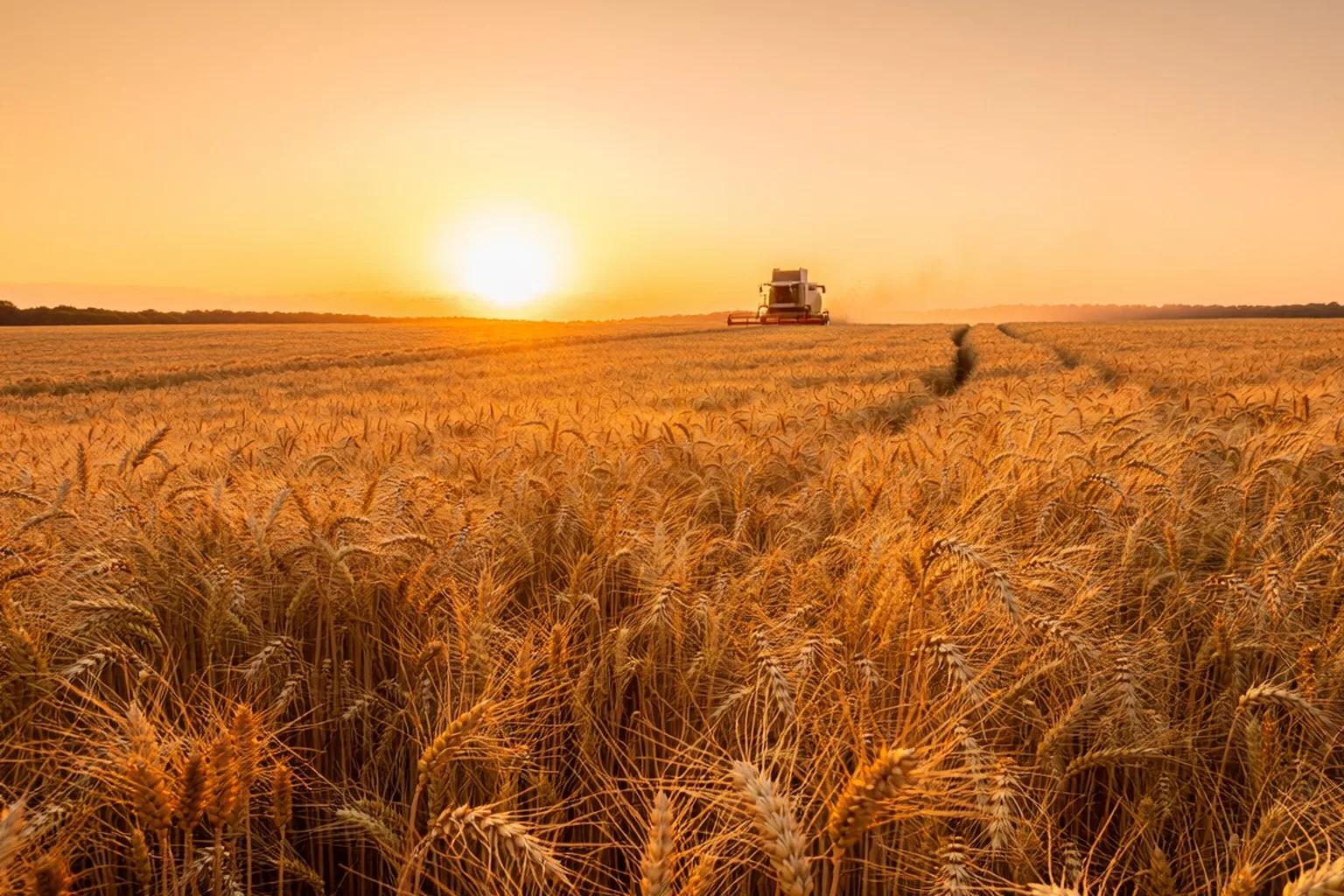
Wheat is one of the world's most important foods, supplying around a fifth of global calories. It is grown on every continent, but a relatively small group of countries produces most of the wheat traded internationally: Russia, the European Union, Canada, Australia, the United States, Ukraine and Argentina.
Countries that import much of their food, including the Gulf states and much of North Africa, are therefore exposed to harvests and trade disruptions far away.
Major wheat exporters (varies by year)
| Exporter | Notes |
|---|---|
| Russia | Largest exporter in recent years; Black Sea ports |
| European Union | France and Romania are key |
| Canada | High-protein spring wheat |
| Australia | Production swings with drought |
| United States | Several classes of wheat, futures traded in Chicago and Kansas City |
| Ukraine | Major exporter disrupted since 2022 |
The 2022 shock
Russia and Ukraine together supplied close to 30% of world wheat exports before 2022.
After the invasion of Ukraine, Black Sea shipments were disrupted and Chicago wheat futures hit record highs.
Prices later eased as exports resumed through new routes and other harvests were strong.
Food importers learned the value of reserves and diversified suppliers.
What moves wheat prices
Weather
Drought, heat or excess rain in major producers.
Trade policy
Export taxes and bans can cut supply suddenly.
Shipping
Black Sea routes, freight costs and insurance.
Currencies
A strong dollar makes US wheat less competitive.
Food security in the UAE
Imports
The UAE imports most of its food.
Strategic reserves
Governments hold stocks to cover disruptions.
Diverse suppliers
Buying from many countries reduces risk.
Agri-tech
Vertical farming and investment in overseas farmland support supply.
Grain futures
Wheat, corn and soybeans trade as futures on exchanges such as the Chicago Board of Trade. Farmers use them to lock in selling prices, food companies to lock in costs, and speculators to bet on price changes.
The monthly USDA supply and demand report often causes large price moves, as it updates estimates of production, stocks and trade for the whole world.
A realistic scenario
Mariam runs a small bakery in Sharjah. In 2022 her flour supplier raised prices twice in three months. She learns that wheat futures had hit records after the war in Ukraine.
She builds a small buffer by agreeing a fixed price with her supplier for six months and adjusts some menu prices modestly. She also starts following the FAO Food Price Index to anticipate changes in her costs.
Questions to ask yourself
Which countries supply most of the wheat I depend on? What are weather conditions in major producers? Are any exporters restricting trade? How much of the final price I pay is raw grain? Can I lock in prices or diversify suppliers?
Official sources to check
The Food and Agriculture Organization (fao.org) publishes the monthly Food Price Index and crop outlooks. The US Department of Agriculture (usda.gov) publishes the World Agricultural Supply and Demand Estimates. The International Grains Council (igc.int) tracks grain markets worldwide.
Common mistakes
Assuming bread follows wheat
Retail prices move later and less.
Ignoring trade policy
Export bans can matter more than harvests.
Weather overreaction
Early-season fears often fade.
Forgetting currencies
Dollar moves change who can export competitively.
Your checklist
- I know a few countries dominate wheat exports.
- I understand weather and trade policy drive prices.
- I know retail food prices move less than raw grain.
- I see why importing nations hold reserves.
The short version
Wheat is a staple traded mainly from a handful of countries. Weather, trade policy and shipping routes drive prices. Importing regions like the Gulf manage the risk with reserves, diverse suppliers and local technology.
Illustration: if wheat rises 50% but wheat makes up 10% to 15% of a loaf's retail price, the loaf might rise only around 5% to 8% over time.
Wheat prices depend on weather and trade routes in a handful of exporting countries; importing nations protect themselves with reserves and diversified suppliers.
Primary educational reference
FAO · Food Price Index ↗Reviewed November 20, 2026. Examples are hypothetical illustrations in AED or USD. Educational content, not personalised investment, legal or tax advice.