The problem
Large blockchains are designed to be secure and open to anyone, which means thousands of computers must check every transaction. That makes them slow. Bitcoin handles about seven transactions per second and Ethereum's main network only a few dozen. Card networks handle thousands.
When demand rises, users bid against each other for limited space and fees jump. During busy periods, a single action on Ethereum has cost tens of dollars, which rules out small payments.

The layer-2 idea
A layer 2 is a separate network built on top of a main blockchain, called layer 1. It processes transactions on its own, then sends a compressed summary or proof back to the main chain. Many users share the cost of that one main-chain transaction, so each person pays far less.
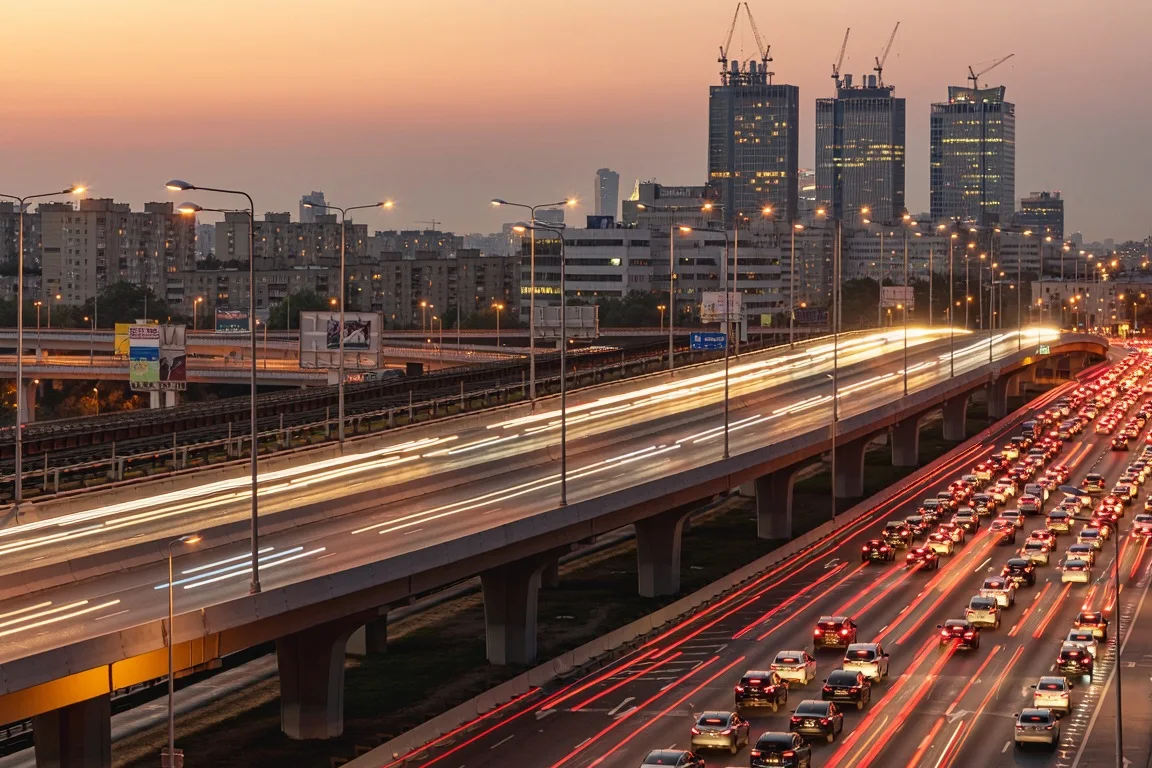
The aim is to keep most of the security of the main chain while gaining speed and lower costs. A common comparison is a bus: one vehicle in traffic carrying fifty passengers instead of fifty cars.
Types of layer 2
Different designs make different trade-offs.
| Type | How it works | Examples |
|---|---|---|
| Optimistic rollup | Assumes transactions are valid; allows a challenge period | Arbitrum, Optimism, Base |
| ZK rollup | Posts mathematical proofs that transactions are valid | zkSync, Starknet, Linea |
| Payment channels | Two parties trade off-chain and settle later | Bitcoin's Lightning Network |
| Sidechains | Separate chain with its own security | Weaker link to the main chain |
Optimistic vs ZK rollups
Optimistic rollups assume transactions are honest unless someone proves fraud within a challenge window, often around seven days. Moving funds back to Ethereum directly can therefore take a week, though third-party services offer faster exits for a fee.
ZK, or zero-knowledge, rollups attach a cryptographic proof that every transaction is valid. Withdrawals can be quicker, but the technology is more complex and newer.
The Lightning Network
Bitcoin's main layer 2 is the Lightning Network. Two users open a payment channel by locking bitcoin into it, then send payments back and forth instantly for tiny fees. Payments can route through connected channels across the network. It is used for small payments and remittances, but managing channels can be fiddly, and most people use it through a wallet app that handles the details.
Risks to understand
Moving funds onto a layer 2 usually means using a bridge. Bridges have been among the most hacked parts of crypto, with single attacks costing hundreds of millions of dollars. Many layer 2s also still rely on a single operator, called a sequencer, to order transactions, and have upgrade keys controlled by a small team. If that operator goes down, the network can pause.
Tokens on one layer 2 are not automatically usable on another, so funds can get split across networks. Always check which network your wallet and the receiving address are on before sending.
How much security do you keep?
Layer 2s describe themselves as inheriting the main chain's security, but the degree varies. Independent trackers such as L2BEAT rate each network on how users could exit if the operator failed, whether fraud or validity proofs are live, and who can upgrade the code.
Networks that are still in early stages may rely on a small group to keep things running safely. That does not make them unsafe to use, but it is sensible to keep larger amounts on more mature networks or the main chain.
A realistic scenario
Khalid wants to send $20 of stablecoins to a friend. On Ethereum's main network the fee would be $6. He checks that his friend's wallet supports the same rollup, uses the official bridge to move $200 across once, and then sends small payments for a few cents each. He keeps larger savings on the main chain.
Before using a layer 2
- Does the recipient support the same network?
- Am I using the official bridge or a trusted exchange?
- How long would it take to withdraw to the main chain?
- Who runs the sequencer, and can the code be upgraded?
- Is the amount suitable for a newer network?
The short version
Layer 2s make blockchains cheaper and faster by bundling transactions and settling them on a main chain. Rollups serve Ethereum and Lightning serves Bitcoin. Fees drop from dollars to cents, but bridges, operators and network mix-ups add risks of their own.
Illustration: a token swap that costs $8 in gas on Ethereum's main network during a busy hour might cost about $0.05 on a layer-2 rollup, because the rollup shares one main-chain fee across thousands of users.
Layer 2s bundle many transactions and settle them on a main blockchain, cutting fees sharply. In return you take on extra risks around bridges and operators.
Primary educational reference
ethereum.org · Layer 2 ↗Reviewed November 21, 2026. Examples are hypothetical illustrations in AED or USD. Educational content, not personalised investment, legal or tax advice.