The idea
Most crypto tokens are fungible: one bitcoin is the same as any other, like one dirham coin is the same as another. A non-fungible token, or NFT, is different. Each one is unique, with its own identifier recorded on a blockchain.
That uniqueness makes NFTs useful for recording ownership of one specific thing: a piece of digital art, a ticket, a game item or a membership. The blockchain shows who holds the token and every past sale.

What you actually buy
When you buy an NFT, you usually get the token and a link to a file, not the file itself. The image or video is often stored on a separate server or on a storage network. If that server goes offline, the token may point to nothing.
Buying an NFT also does not normally give you copyright. The creator usually keeps the right to copy, print and license the work. Some projects grant buyers commercial rights, but you need to read the terms. Anyone can still right-click and save the image.
The boom and bust
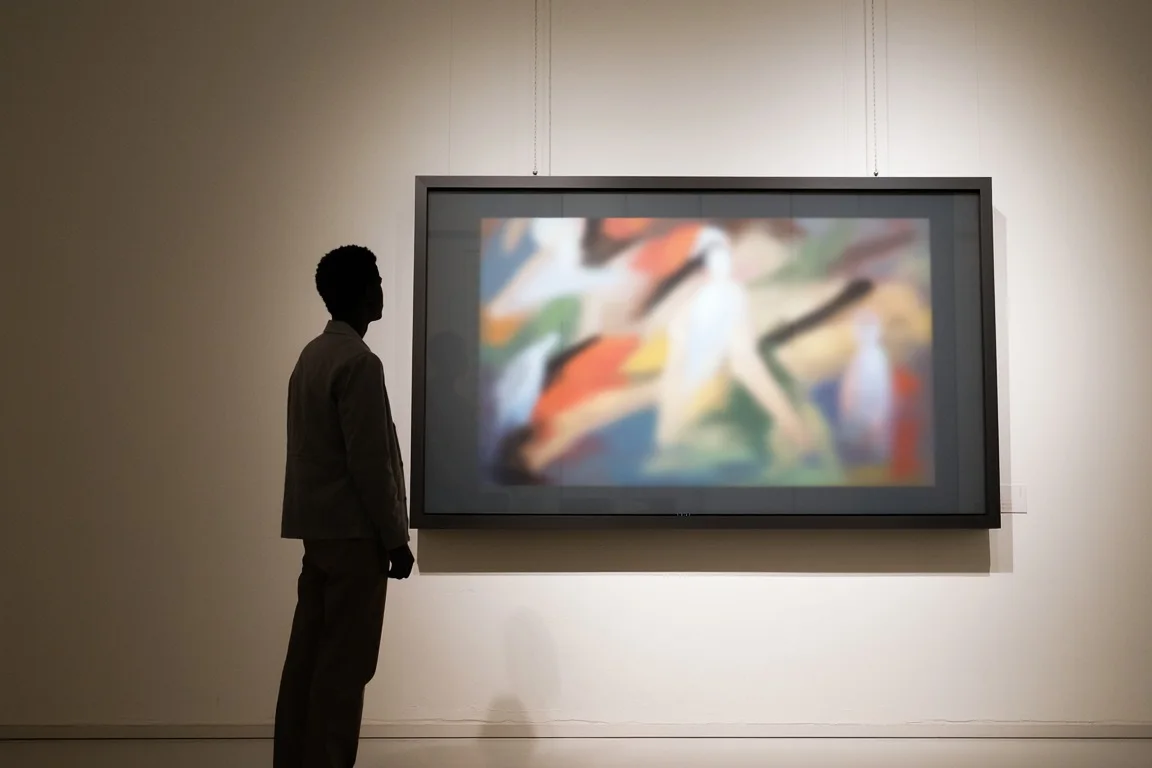
NFT trading exploded in 2021. A digital collage by the artist Beeple sold at Christie's for $69 million, and collections of cartoon avatars traded for hundreds of thousands of dollars each. Trading volumes then collapsed in 2022 and 2023.
Studies of NFT collections have found that the large majority now trade at a small fraction of their peak prices, and many have no buyers at all. Several high-profile celebrity projects fell more than 90%.
Where NFTs may be useful
Beyond collectibles, the technology has practical uses that do not depend on speculation.
| Use | How an NFT helps |
|---|---|
| Event tickets | Harder to fake; resale rules built in |
| Game items | Players can own and trade items |
| Memberships | Proof of access to a club or service |
| Certificates | Diplomas or warranties that are easy to verify |
| Property records | Tokenised title deeds, as some land registries are testing |
Royalties and fees
NFTs were promoted as a way for artists to earn a royalty every time their work is resold. In practice, many marketplaces made royalties optional to compete on fees, so artists cannot always rely on them. Buyers also pay marketplace fees and gas, which can make small trades uneconomic.
Risks for buyers
NFT markets are thin, so prices can be hard to judge and hard to sell at. Wash trading, where people trade with themselves to fake demand, has been widespread. Fake collections copy popular ones, and phishing links that ask you to sign a transaction can drain your wallet. Valuing an NFT is mostly about what someone else will pay, as there is no cash flow behind most of them.
How NFTs are valued
Unlike a share or bond, most NFTs produce no income, so their value depends on demand from collectors. Prices are often quoted as a collection's floor price, the cheapest one listed for sale. Rare traits within a collection can sell far above the floor.
Floor prices can mislead. A collection may show a high floor with only a handful of real buyers, and selling even a few items can push the floor down sharply. Looking at the number of genuine sales and unique buyers over recent months gives a better picture than the headline price.
Taxes can also apply when NFTs are bought or sold with crypto, as each trade may count as a disposal.
A realistic scenario
Zaid likes a digital artist and wants to support her. He buys a low-priced NFT directly from her verified page, reads that he gets a personal display licence but not copyright, and checks the file is stored on a permanent storage network. He treats it as buying art he enjoys, not as an investment.
Before buying an NFT
- Is this the genuine collection, verified by the creator?
- What rights do I actually receive?
- Where is the file stored?
- Who else is buying, and is trading volume real?
- Would I still be happy if its price went to zero?
The short version
An NFT is a unique token that records ownership on a blockchain. It rarely gives you the artwork's copyright, and most NFT collectibles lost most of their value after the 2021 boom. The technology may still prove useful for tickets, memberships and records.
Illustration: Rania buys an NFT of a digital painting for 1 ETH. She owns the token that points to the image file. The artist keeps the copyright, the image is stored on a separate server, and she pays a 5% royalty to the artist if she resells.
An NFT is a record of ownership on a blockchain, usually not the artwork or copyright itself. Most collectibles lost the bulk of their value after 2022.
Primary educational reference
US Copyright Office · NFTs and intellectual property study ↗Reviewed November 21, 2026. Examples are hypothetical illustrations in AED or USD. Educational content, not personalised investment, legal or tax advice.