From crude oil to the petrol pump
Crude oil is useless until it is refined into petrol, diesel and jet fuel. Understanding the journey explains why fuel prices do not always follow crude — and why diesel shortages drove 2026’s fuel crisis.
The journey
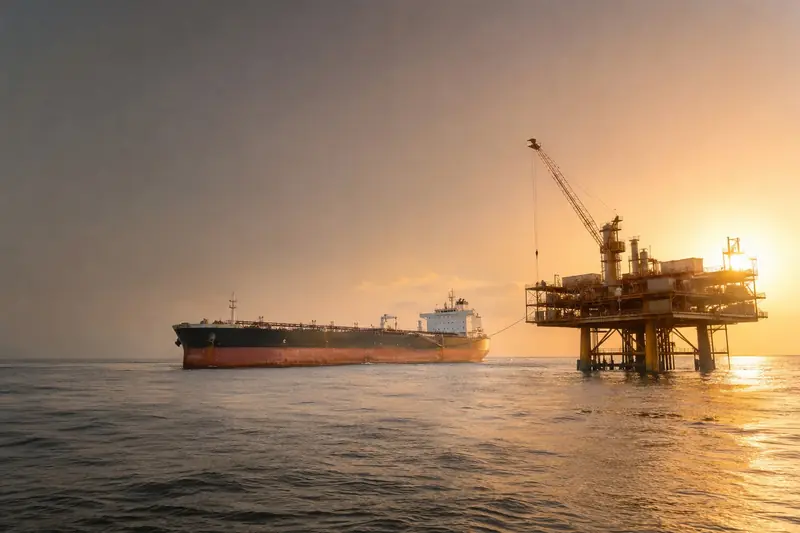
Production
Crude is pumped from wells onshore and offshore.
Transport
Pipelines, tankers and railcars carry it to refineries — chokepoints like Hormuz matter here.
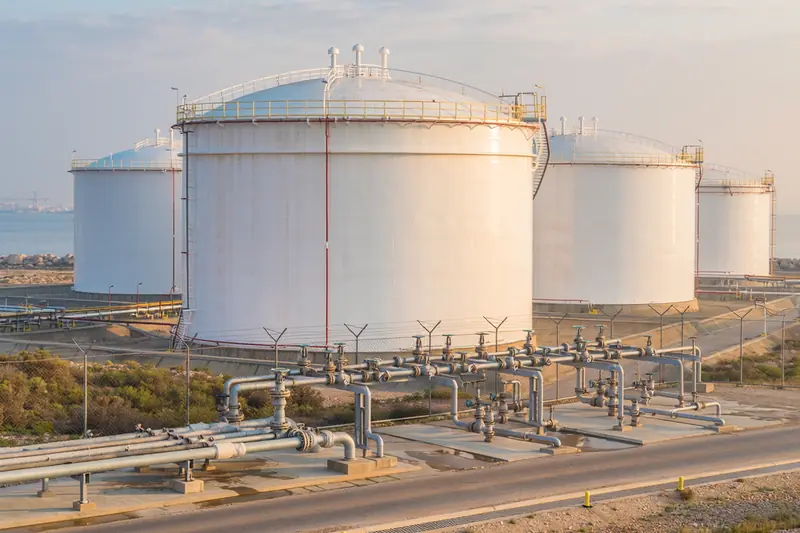
Refining
Refineries split crude into petrol, diesel, jet fuel, fuel oil and petrochemical feedstocks.
Distribution
Fuel goes to terminals and pumps; taxes and margins are added.
Why fuel and crude can diverge
If refineries are short of capacity or a region loses fuel imports, fuel prices can rise much faster than crude. In 2026, disrupted fuel exports from the Gulf and low diesel stocks kept diesel prices high even as crude fell back. The EIA expects US diesel to average about $5 a gallon in 2027.
- Watch diesel and petrol stocks as well as crude.
- Remember taxes are a large share of pump prices in many countries.
- EIA — Short-Term Energy Outlook, November 2026 ↗
- Wikipedia — Oil refinery ↗
- OGJ — EIA sees Brent near $100 through year-end ↗
Educational content, not investment or trading advice. Trading leveraged products carries a high risk of losing money.