What happened
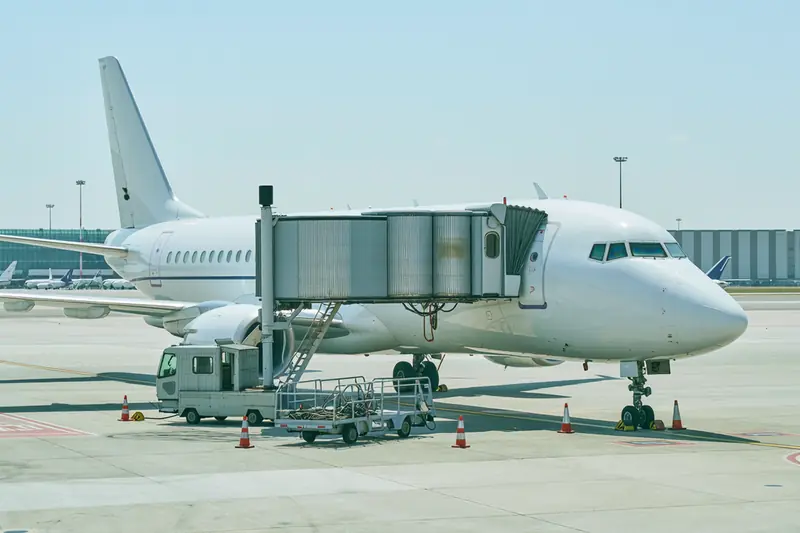
Airbus has more orders than it can build: airlines want efficient single-aisle jets, and Boeing’s troubles have pushed more of them to Airbus. But aircraft are assembled from parts made by thousands of suppliers, many of which were weakened by the pandemic.
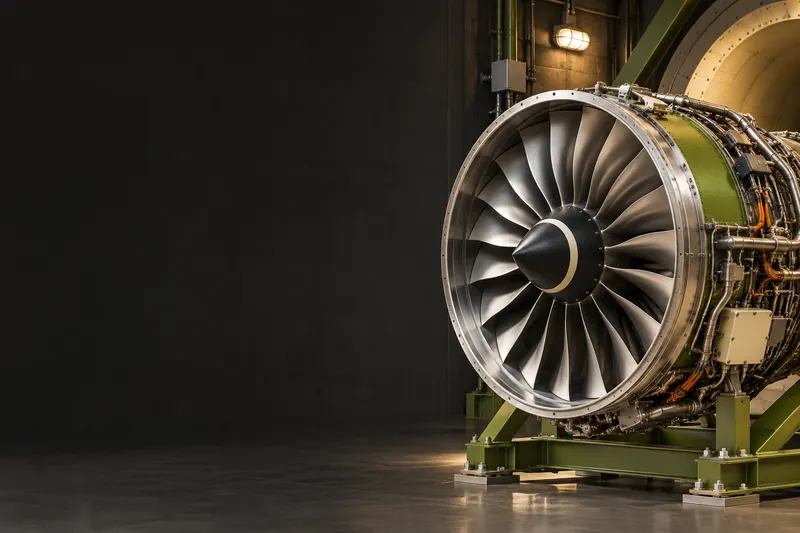
Shortages of engines, seats and other parts mean finished planes sometimes wait without engines. Airbus has had to lower its production targets and buy parts of struggling suppliers. Defence and space work is growing as Europe rearms.
The lessonDemand is only half the battle. In complex manufacturing, the weakest supplier sets the pace.
Key moments
Airbus is founded as a European consortium to challenge US plane makers.
The A320 enters service and later becomes the best-selling jet family.
The A380 superjumbo enters service; it is later ended for lack of demand.
Boeing’s 737 MAX crises help Airbus take the lead in deliveries.
Engine shortages from Pratt & Whitney slow the planned production ramp-up.
For your seminar, paper or interview
- Q1
Why did Airbus overtake Boeing?
- Q2
How should Airbus manage dependence on a few engine makers?
- Q3
What lessons does the A380 hold about forecasting demand?
- Supply chain management
- Duopoly competition
- Capacity planning
Propose your solution
Pick a discussion question and set out what you would do, why, and what it would cost. Strong, well-argued answers are reviewed and published below with your first name and programme.
Published solutions
Loading published solutions…
- interactive investor: engine supply challenges ↗
- Air Cargo Week: Airbus 2025 results ↗
- AirDataNews: 870 deliveries target ↗
Figures are as reported in the cited sources. Check the source before quoting. Corrections: let us know through the solution form.