What happened
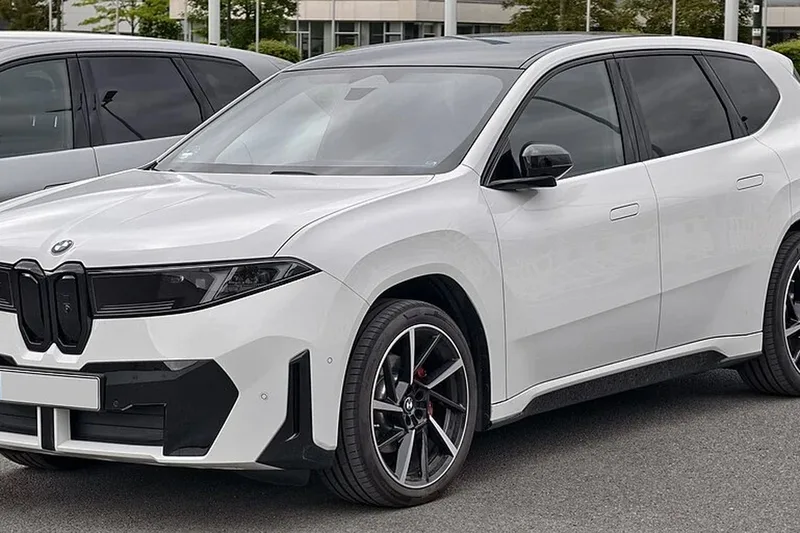
BMW had long built 3 Series saloons at Rosslyn. It announced investment to prepare the South African plant for the X3, and production of the SUV began in April 2018. The site kept a place in the network by changing the job it performed. That choice also displaced a known production routine and required new tooling and supplier readiness.
BMW’s plant at Rosslyn, near Pretoria in South Africa, has built vehicles since 1968. In 1973 it became the first BMW Group plant outside Germany.
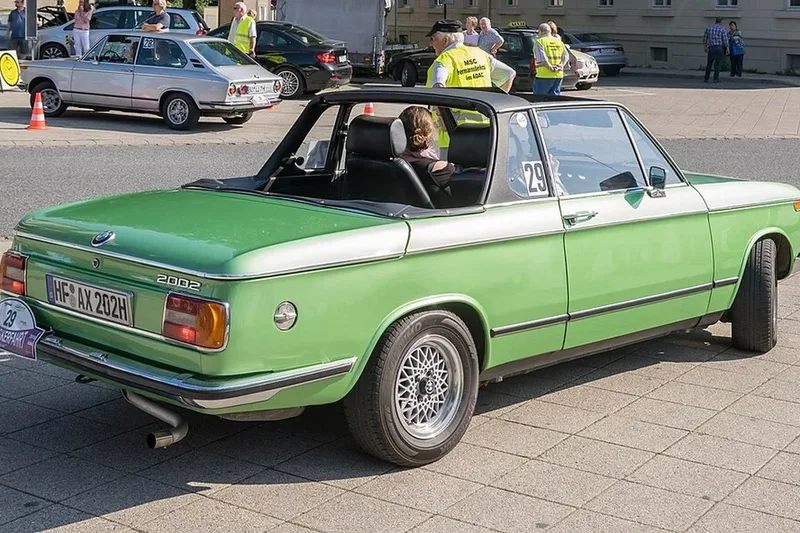
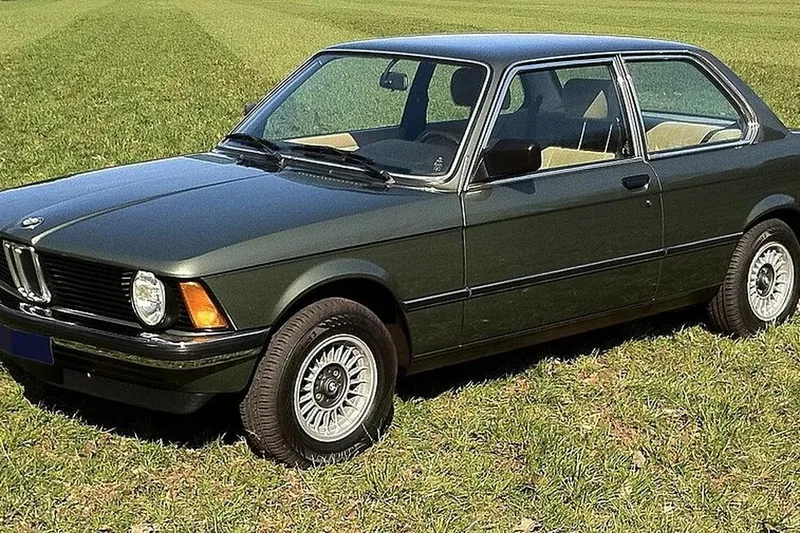
For about 35 years the plant built the 3 Series. In February 2018 it produced the last of 1,191,604 3 Series cars made there over five model generations.
In November 2015 BMW announced a R6 billion investment to prepare Rosslyn for production of the new X3, later reported as R6.1 billion. It was one of the largest investments in South Africa’s car industry at the time.
BMW said the plant was given the X3 because demand for the model exceeded the capacity of its plant in Spartanburg, South Carolina. Meanwhile, 3 Series production moved to BMW’s new plant in Mexico.
Rosslyn began building the X3 in April 2018. The plant was initially designed for up to 71,000 vehicles a year, but BMW added a further R160 million to raise capacity to 76,000.
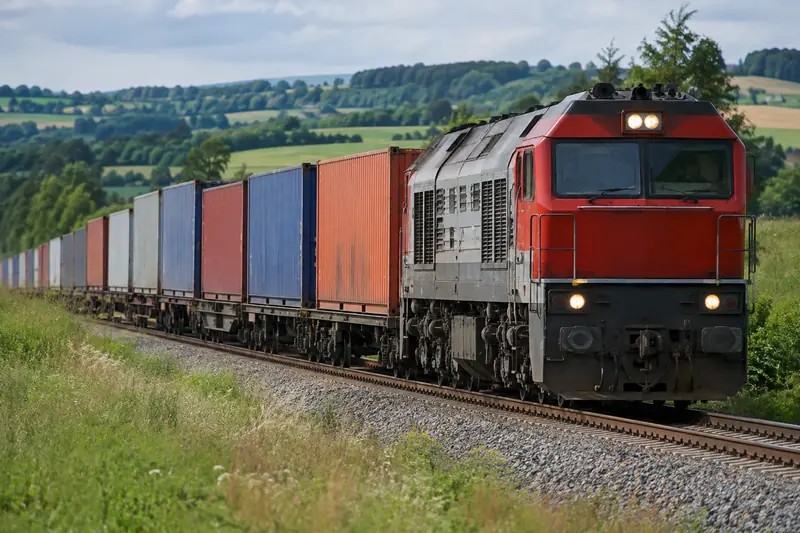
In May 2018 the first South African-built X3s left Rosslyn by train for export to Europe.
BMW also said Rosslyn would draw all its electricity from renewable sources by the end of 2018.
Since then the plant has built more than 300,000 X3s, and it now also exports the model to 16 African countries.
The exhibit shows that BMW raised Rosslyn’s capacity soon after starting X3 production, because demand was stronger than expected.
Converting a plant to a new model is a major capital decision. The investment covers new equipment, tooling and training, and it must be justified by expected sales over the model’s life.
The change also affects local suppliers. Companies that made parts for the 3 Series needed to invest in new tools and processes for the X3.
That creates shared risk. If export volumes fall short, both BMW and its suppliers may struggle to recover their investments.
On the other hand, building a popular model gives the plant and its suppliers a stronger position for many years.
Rosslyn’s exports are important for South Africa’s trade balance and employment, which is why investment decisions are discussed with government, labour and suppliers.
The South African government’s Automotive Production and Development Programme provides incentives for local vehicle production and exports, which shaped BMW’s investment.
The decision also fitted BMW’s global network. Mexico took the 3 Series, while Rosslyn and Spartanburg shared the X3, giving the company flexibility to match supply with demand.
Car makers around the world regularly reassign models among plants in this way to balance capacity and costs.
The 3 Series era at Rosslyn was long and successful, with more than a million cars built. Ending it was a significant change for workers and suppliers who had built their skills around that model.
Managing such a change requires careful planning, including training, communication and support for suppliers as they adjust.
The successful launch of the X3 and its exports to Europe and Africa suggest the transition achieved its main goals.
For students, the case shows that a plant’s future often depends on winning the right product from its parent company, which allocates models among plants around the world.
That makes competitiveness, quality and reliability vital for any plant that wants to secure new investment.
The case also shows the value of flexibility in a global network. Because two plants built the X3, BMW could shift volumes between them as demand changed in different regions.
That kind of flexibility helps protect a company when demand or trade conditions change suddenly in one part of the world.
Rosslyn’s story is therefore one of renewal rather than decline.
Today Rosslyn remains an important part of BMW’s production network and of South Africa’s automotive industry.
Key moments
Rosslyn builds 3 Series saloons
Investment announced for the X3 changeover
X3 production begins at Rosslyn
Source: BMW Group South Africa.
The trade-offs at the heart of the case
A closer look
The last saloon and first SUV pass through the same local supplier community. A supplier that can reuse its building may still need a different gauge, fixture or employee qualification for the new model. Identify which of those commitments is recoverable if planned exports fall short. Their distribution helps explain whether the plant and its suppliers can finance the changeover on the same timetable.
The alternative on the table
For comparison, consider the option to continue making 3 Series saloons in Rosslyn. The related case “Why a South Carolina factory needs an export port” supplies a useful reference point. BMW reported nearly 225,000 exports from Spartanburg in 2024 with a combined export value of $10.1 billion. Spartanburg demonstrates that a plant’s market may be a continent away. For Rosslyn the relevant commitment is an export allocation the group can sustain. Impressive local nameplate capacity cannot compensate for a model assigned elsewhere.
For your seminar, paper or interview
- Q1
Which supplier investment at Rosslyn would be hardest to recover after a volume shortfall?
- Q2
Compare this decision with “Why a South Carolina factory needs an export port”. Which difference between the cases would change your recommendation?
- Plant conversion
- Product allocation
- Local content
- Export markets
How we would approach it
Simplifying Finance’s opinion, offered as a starting point for debate, not as fact or investment advice.
We think switching Rosslyn from the 3 Series to the X3 was the right move. It linked the plant to one of BMW’s fastest-growing models and kept it busy for export, rather than competing with the new Mexican plant for saloon production. The cost was a large investment and the end of a 35-year production tradition.
Follow demand
Allocate the model customers want most.
Invest in suppliers
Help local partners retool for the new model.
Add capacity carefully
Raise output in small steps as demand is proven.
What this plan gives up
Changing a plant’s product means heavy spending and new supplier commitments.
The strongest counter-argument
Some argue keeping the 3 Series would have been simpler and less risky.
Metrics to watch
- Export volumes
- Plant utilisation
Propose your solution
Pick a discussion question and set out what you would do, why, and what it would cost. Strong, well-argued answers are reviewed and published below with your first name and programme.
Published solutions
Loading published solutions…
- BMW Group PressClub • BMW Group South Africa starts production of the new BMW X3 at its Rosslyn plant. ↗
- BMW Group PressClub • BMW X3 now built in South Africa for Africa ↗
- BMW Group PressClub • Source document — What Rosslyn gained by switching from saloons to SUVs ↗
- BMW Group PressClub South Africa • Production of the new X3 starts at Rosslyn ↗
- BMW Group PressClub South Africa • First X3s leave Rosslyn for Europe ↗
- Engineering News • BMW’s Rosslyn plant exports the first made-in-SA X3s ↗
- Photo: 2012 BMW X3 (F25) xDrive30d wagon (2018-11-22) 01 by EurovisionNim, CC BY-SA 4.0 (cropped and resized) ↗
Figures are as reported by the companies or cited outlets as of 22 November 2026. Check the source before quoting. Corrections: let us know through the solution form.