What happened
BMW opened its San Luis Potosí factory in 2019 to build the 3 Series. Its paint shop incorporated water treatment and reuse. Finishing a body is an essential production step, and access to usable water is a local constraint. Designing recycling into the site at construction is a different financial choice from retrofitting it after lines are running.
BMW broke ground on its plant in San Luis Potosí, in central Mexico, in June 2016. At the time it announced an investment of about one billion US dollars and a planned capacity of up to 150,000 vehicles a year.
The company said it chose the location because of its supplier network, qualified workforce and technical and social infrastructure.
The plant was officially opened on 6 June 2019. BMW said it had invested more than one billion dollars, employed 2,500 people and would have a capacity of up to 175,000 vehicles a year once production was fully ramped up.
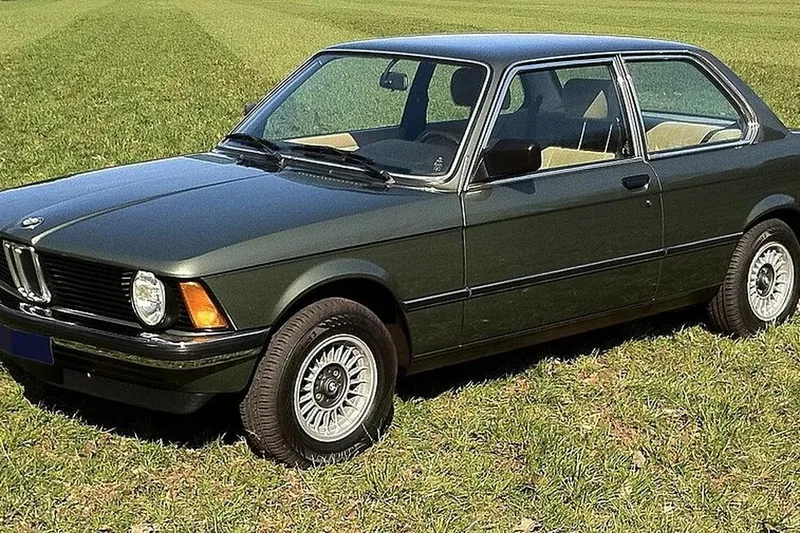
San Luis Potosí builds the 3 Series Sedan, BMW’s best-selling model line, for customers around the world. Its opening allowed BMW to move 3 Series production out of Rosslyn in South Africa, which switched to the X3.
BMW said the plant was designed as a full production site, with body shop, paint shop and assembly, and that it would be supplied with 100 percent CO2-free electricity.
Paint shops use large amounts of water to clean and treat car bodies. In a region where water is scarce, the way a plant manages water can affect both its costs and its relationship with the local community.
The paint shop was supplied by the German engineering firm Dürr. According to PCI Magazine, it uses membrane technology in pretreatment and wastewater treatment to cut water use and wastewater volumes, and dry separation of paint overspray in the spray booths instead of water-based systems.
Automotive Manufacturing Solutions reports that the plant runs a water treatment and reuse programme centred on the paint shop, its most water-intensive stage, with annual spending of more than €3 million, and that it is committed to treating all of its wastewater.
BMW said that from its first full year of production San Luis Potosí would be the most resource-efficient plant in its network.
Building treatment and reuse into a new plant during construction is typically easier than adding it to a factory that is already running.
The plant also works with local technical colleges and had trained 250 apprentices by its opening, according to BMW.
The exhibit shows that BMW increased the planned capacity of San Luis Potosí between ground-breaking and opening, reflecting confidence in demand for the 3 Series.
Choosing where to build a plant involves many factors, from labour costs and skills to suppliers, infrastructure and trade agreements.
Mexico’s location and trade links with North America and other regions made it attractive to many car makers in the 2010s.
Natural resources are another factor. In regions where water is limited, a plant’s design can affect its long-term ability to operate.
Investing in water treatment and reuse adds to the initial cost of a factory, but it can lower operating costs and reduce the risk of supply problems later.
It also matters to investors who look at environmental performance as part of their decisions, an approach known as ESG investing.
Using renewable electricity at the plant further reduces its environmental footprint.
Car makers worldwide are under growing pressure to show they use resources responsibly, especially in water-stressed areas.
For students, the case shows that sustainability decisions are often investment decisions that change a plant’s costs for decades.
Mexico has become an important car-making country, with many global manufacturers operating plants there. That gives new plants access to experienced suppliers and workers.
At the same time, competition for skilled staff and resources can be strong, which is one reason BMW invested in training and partnerships with local colleges.
The San Luis Potosí plant also gave BMW more flexibility to serve customers worldwide, since the 3 Series is sold in many markets.
For managers, the case shows how a single plant decision connects to choices elsewhere in a global network, in this case the conversion of Rosslyn to the X3.
It also shows that environmental planning is now a standard part of large industrial investments.
Over time, the plant’s performance on water and energy will show whether the up-front investment in efficiency has paid off.
That evidence will also guide decisions about the design of future plants in other dry regions of the world.
Key moments
Water recovery is built into the paint process
San Luis Potosí opens
The plant manufactures 3 Series saloons
Source: BMW Group press releases, 2016 and 2019.
The trade-offs at the heart of the case
A closer look
Water recycled by a paint process may need a particular quality before it can replace incoming water. Measure useful substitution at that point, including treatment energy and disposal of the concentrated remainder. A litre circulated twice inside equipment is different from a litre the plant no longer has to buy. That distinction makes it possible to compare the Mexican site with a different local water tariff.
For your seminar, paper or interview
- Q1
At what point in the paint process should freshwater substitution be measured?
- Q2
Which finding in the records on metered freshwater purchases and wastewater treatment charges would persuade you to install a conventional paint process with off-site treatment?
- Q3
Compare this decision with “Taking the gas boiler out of the paint-shop decision”. Which difference between the cases would change your recommendation?
- Plant location
- Resource constraints
- Sustainable manufacturing
- Regional production
How we would approach it
Simplifying Finance’s opinion, offered as a starting point for debate, not as fact or investment advice.
We think designing water recycling into San Luis Potosí from the start was sensible for a plant in a dry region. Building resource efficiency into a new factory is usually cheaper than adding it later, and it reduces the risk that local water constraints limit production.
Design in efficiency
Build resource savings into new plants.
Measure real savings
Track fresh water actually avoided.
Engage the community
Share plans for using local resources.
What this plan gives up
Efficient systems cost more up front but reduce long-term risk.
The strongest counter-argument
Some argue conventional systems with off-site treatment would have been cheaper.
Metrics to watch
- Fresh water per car
- Treatment costs
Propose your solution
Pick a discussion question and set out what you would do, why, and what it would cost. Strong, well-argued answers are reviewed and published below with your first name and programme.
Published solutions
Loading published solutions…
- BMW Group PressClub • BMW Group opens plant in San Luis Potosi, Mexico ↗
- BMW Group • Explore our BMW Plant at San Luis Potosí | BMW Group Careers ↗
- BMW Group PressClub • BMW Group abre planta en San Luis Potosí, México. ↗
- BMW Group PressClub • BMW Group opens plant in San Luis Potosí, Mexico ↗
- BMW Group PressClub • Ground-breaking for new plant in Mexico ↗
- BMW Group • Mexico – a plant for the future ↗
- PCI Magazine • Dürr is building smart and resource-efficient paint shop in Mexico ↗
- Automotive Manufacturing Solutions • How BMW’s San Luis Potosí leads in sustainable production ↗
- Photo: 2019 BMW 318d SE Automatic 2.0 Front by Vauxford, CC BY-SA 4.0 (cropped and resized) ↗
Figures are as reported by the companies or cited outlets as of 22 November 2026. Check the source before quoting. Corrections: let us know through the solution form.