What happened
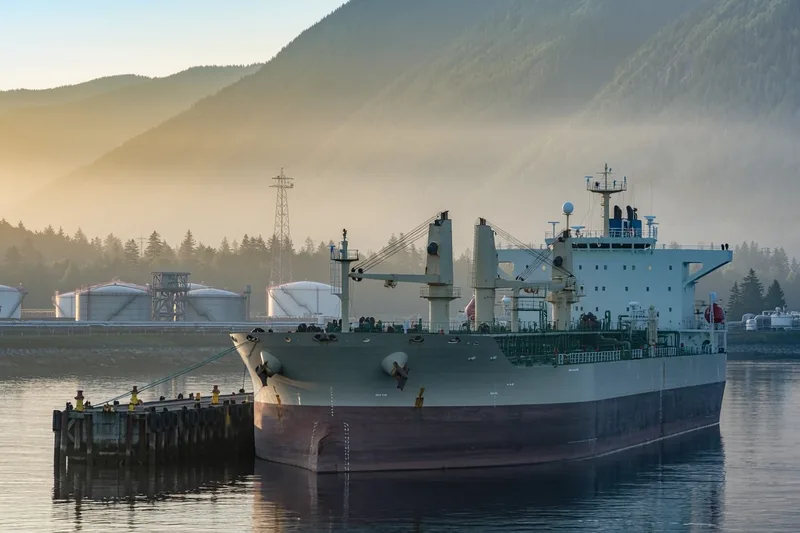
Cenovus Energy was spun off from Encana in 2009 as an oil sands producer and grew through large deals: buying ConocoPhillips’ Canadian assets for C$17.7 billion in 2017 and merging with Husky Energy in 2021, adding refineries and making Cenovus one of Canada’s biggest integrated oil companies.
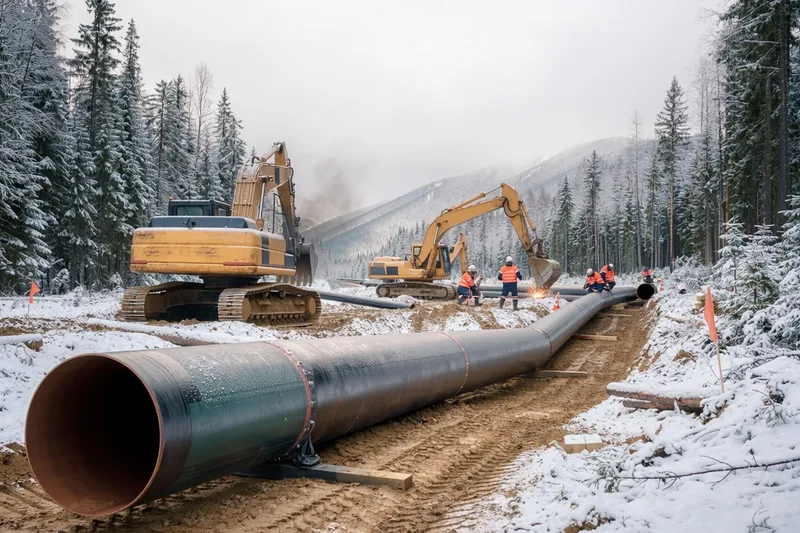
MEG Energy is a smaller oil sands producer using steam-assisted gravity drainage (SAGD) at its Christina Lake project in Alberta, right next to Cenovus’s own Christina Lake operation. Combining the adjacent sites could share infrastructure, steam, water handling and staff.
In May 2025 Strathcona Resources, controlled by former investment banker Adam Waterous, launched an unsolicited bid for MEG. MEG’s board rejected it and ran a process to find alternatives. In August it agreed to a friendly cash-and-stock deal with Cenovus worth C$7.9 billion including debt, or C$27.25 per share.
Strathcona fought back, accusing MEG’s board of accepting a ‘take-under’ and saying its own offer was worth more. Strathcona owned about 14% of MEG and tried to block the vote. Cenovus raised its offer by about 5%, and in October 2025 Strathcona withdrew. In November MEG shareholders approved the Cenovus deal with over 86% support. Cenovus expected annual savings of C$150 million in 2026–2027 and C$400 million from 2028.
The case explores hostile takeovers, board duties in a sale process and the industrial logic of combining neighbouring oil sands assets.
Boards facing a hostile bid must act in shareholders’ best interests, often by seeking alternative offers. Strathcona argued MEG’s board was biased against it; MEG’s board argued Cenovus offered more certainty and better strategic value. Shareholders ultimately decided by vote. Such contests often raise the final price, benefiting target shareholders.
Oil sands consolidation reflects the industry’s maturity. New large projects are rare, and growth comes from optimising existing assets. Combining neighbouring operations reduces costs per barrel and allows shared investment in emissions reduction, such as the Pathways carbon capture project. But consolidation also reduces competition among buyers of services and labour.
Integrated oil companies like Cenovus own both production and refining. When crude prices fall, refining margins may rise, partly offsetting lower upstream profits. Cenovus’s refineries in Canada and the US, acquired through Husky and from BP, give it a natural hedge and a home for its heavy oil. Adding MEG’s barrels increases the volume it can feed into those refineries.
Strathcona, for its part, was built by Adam Waterous through a series of acquisitions of smaller producers. Its failed bid shows that even aggressive bidders must persuade target boards and shareholders that their shares are worth taking as payment.
For students, the case is a reminder that the winning bid is not always the highest headline number, but the one shareholders believe will deliver the most value with the least risk.
Consolidation also concentrates political and environmental responsibility in fewer, larger companies, which may strengthen their ability to fund emissions projects but also raises their profile with regulators and critics. Larger producers are expected to lead on emissions reduction, Indigenous partnerships and reclamation of mined land, and their record on these issues increasingly affects access to capital and political support for new projects.
Key moments
Cenovus spun off from Encana.
Buys ConocoPhillips’ Canadian assets.
Merges with Husky Energy.
Strathcona makes hostile bid for MEG.
MEG agrees to C$7.9bn Cenovus deal.
Cenovus raises offer; Strathcona withdraws.
MEG shareholders approve deal.
Source: BNN Bloomberg on Cenovus deal announcement.
The trade-offs at the heart of the case
Board judgement vs. shareholder choice
Boards may prefer a bidder, but shareholders decide.
Cash certainty vs. equity upside
Cash offers reduce risk; share offers keep upside.
Synergies vs. overpaying
Competitive bidding can push prices above value.
For your seminar, paper or interview
- Q1
Why were MEG’s assets especially valuable to Cenovus?
- Q2
How should a board respond to a hostile bid?
- Q3
Did MEG shareholders benefit from the bidding war?
- Q4
What risks does Cenovus take with its third large acquisition?
- Q5
How does consolidation affect the oil sands industry?
- Hostile takeovers
- Board fiduciary duties
- Merger synergies
- Industry consolidation
How we would approach it
Simplifying Finance’s opinion, offered as a starting point for debate, not as fact or investment advice.
The adjacency of the Christina Lake assets gives the deal real industrial logic. Cenovus should integrate quickly, deliver promised savings and avoid overpaying in future deals.
Integrate operations fast
Combine steam, water and processing facilities at Christina Lake.
Report synergies transparently
Track savings against targets publicly.
Keep balance sheet strong
Use cash flow to reduce debt after the deal.
Invest in emissions reduction
Use scale to fund carbon capture and efficiency.
What this plan gives up
Rapid integration can disrupt operations and cause staff losses.
The strongest counter-argument
Some argue Strathcona’s higher equity offer would have given MEG shareholders more upside, and that the board’s preference reduced competition.
Metrics to watch
- Synergy delivery
- Christina Lake production
- Cenovus net debt
- Operating cost per barrel
- Oil prices
Propose your solution
Pick a discussion question and set out what you would do, why, and what it would cost. Strong, well-argued answers are reviewed and published below with your first name and programme.
Published solutions
Loading published solutions…
- CBC: MEG accepts Cenovus offer ↗
- BNN Bloomberg: Cenovus signs deal to buy MEG ↗
- Bloomberg: Strathcona ends bid for MEG ↗
- Bloomberg: MEG shareholders approve Cenovus takeover ↗
Figures are as reported by the companies or cited outlets as of 22 November 2026. Check the source before quoting. Corrections: let us know through the solution form.