What happened
BHP’s 2018 water report describes a second desalination plant with capacity of 2,500 litres per second. At continuous full design flow that converts to 216,000 cubic metres in a day. This is an engineering upper bound before downtime, operating constraints and actual demand. BHP also described a long-term power arrangement associated with pumping. Water supply had become a question about electricity procurement and infrastructure availability.
The value of a delivered cubic metre changes sharply when water limits the mill. An additional unit can unlock production during a dry period but add little during a maintenance shutdown. Comparing a flat water tariff with the marginal cost at the plant outlet misses the cost of pumping and the value of continuity. A fair comparison would include intake, treatment, pumping electricity, maintenance, standby arrangements and the cost of interrupting production under the alternative.
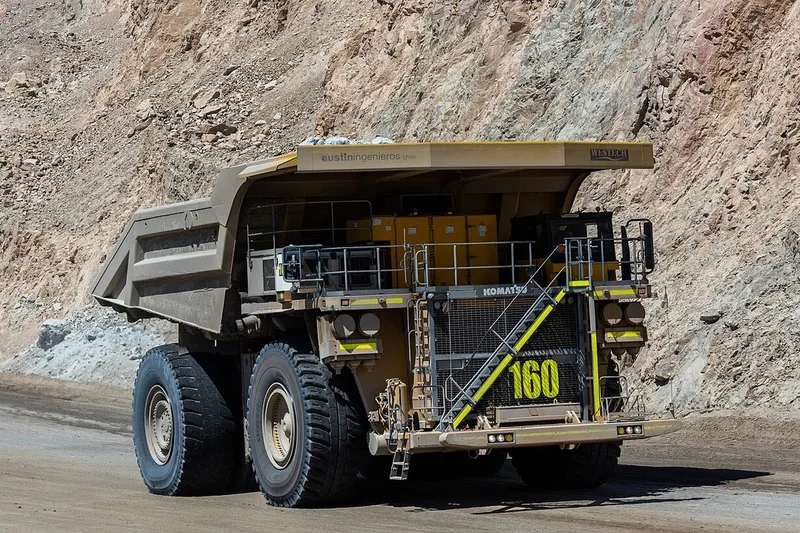
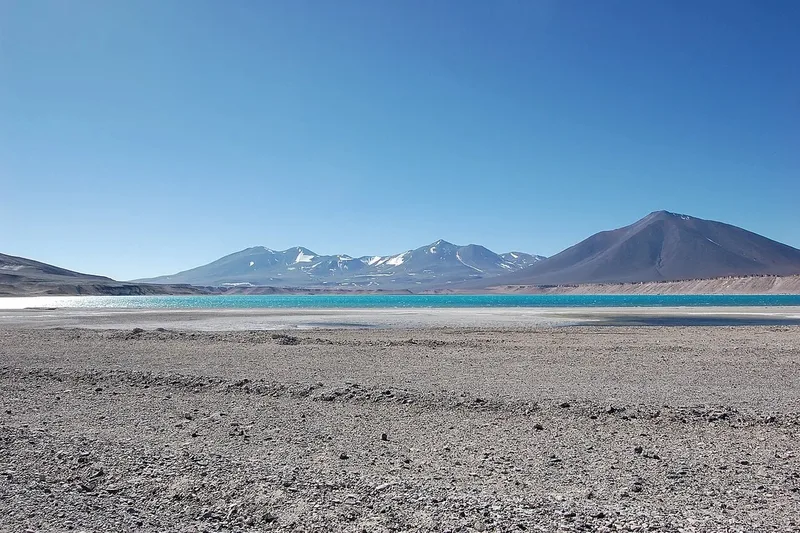
Escondida, operated by BHP, is the largest copper mine in the world by production. It is in the Atacama Desert, one of the driest places on Earth, about 3,200 metres above sea level.
Copper processing needs large volumes of water, mainly for flotation, which separates copper minerals from waste rock. Historically, Escondida drew much of its water from aquifers, which raised concerns about the impact on wetlands and communities.
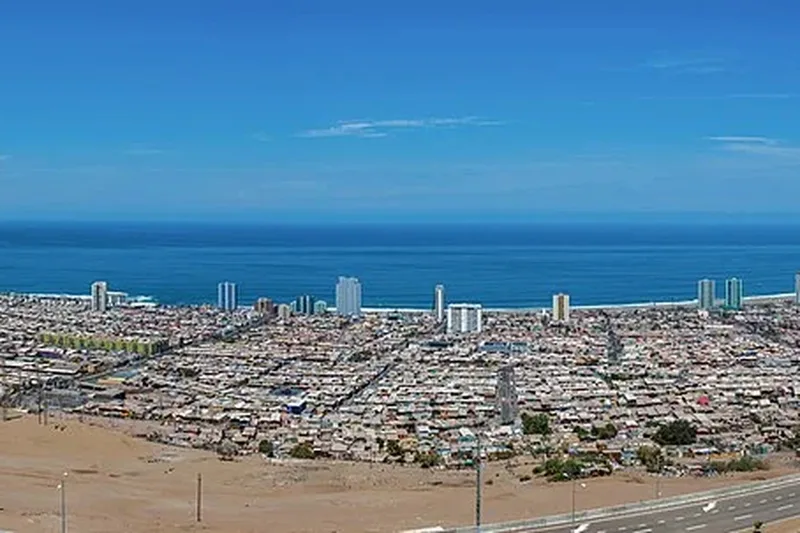
In 2006 Escondida commissioned the first large-scale desalination plant for industrial use in Chile, at Puerto Coloso near Antofagasta, with a capacity of 525 litres per second.
In April 2018 BHP inaugurated a second plant, known as Escondida Water Supply, with a capacity of 2,500 litres per second. At full design flow, that is equal to about 216,000 cubic metres per day.
BHP reported that construction required an investment of US$3.43 billion, including two 42-inch pipelines of about 180 kilometres, four high-pressure pumping stations, a reservoir at the mine and high-voltage infrastructure.
Most of the cost lies not in removing salt but in lifting water to the mine. Pumping water 3,200 metres uphill requires large amounts of electricity, so BHP signed a long-term power contract for a gas-fired plant.
The investment was part of a strategy to reduce and eventually end the use of aquifer water at the mine.
Mines in other dry regions, from Australia to Peru, increasingly use seawater or desalinated water as freshwater becomes scarcer and regulation tighter.
The decision involved a trade-off between capital and operating costs. A large desalination system requires heavy upfront investment and continuous energy use, but it reduces the risk that water shortages or regulation will force the mine to cut production.
That risk is real. In dry years, mines dependent on groundwater can face legal challenges or restrictions, and output losses at a mine of Escondida’s size would be very costly.
The investment can therefore be seen partly as insurance: paying a known cost to avoid an uncertain but potentially large loss.
For investors, water costs now form part of the cost of producing each tonne of copper, and they vary with electricity prices.
For students, the case shows that infrastructure decisions often protect existing revenue rather than create new revenue, which affects how their returns should be measured.
Escondida is owned by BHP together with Rio Tinto and a Japanese consortium led by Mitsubishi, so the cost and benefits of the water system are shared among several partners.
Each partner’s share of the investment followed its ownership stake, which is how joint ventures typically split large capital projects.
Its experience has guided later desalination projects across Chilean mining.
Key moments
Escondida already uses desalinated water as part of its supply mix.
BHP marks the new 2,500-litre-per-second installation at Puerto Coloso.
Source: BHP.
The trade-offs at the heart of the case
One coast supplies two very different customers
A mine and a municipal utility can both describe desalination capacity in litres per second. Their revenue and welfare tests differ at the delivery point. Escondida can use dependable water to support ore processing, so the value of an interruption depends on the production it strands. The Atacama municipal system delivers a household service, and failure can impose costs on customers that the water tariff never captures. At both sites, counting output at the treatment plant can hide expensive pumping or losses inland. An analyst could compare the energy used to deliver a cubic metre and still reach opposite conclusions about the appropriate level of backup. The next question is who bears the loss in a critical hour, who is contractually entitled to compensation and how much of that loss justified the original investment.
Our assessment
Use a joint timetable for water, power and ore. A planned pump outage during a planned mill stop is very different from a power interruption at full production. I would require measured cubic metres at the mine gate and an account of interruptions by cause. Assess the environmental effects of seawater intake and brine separately from cash savings. Substituting a new water source can ease pressure on continental water while creating obligations on the coast.
For your seminar, paper or interview
- Q1
How should the mine price a cubic metre in a dry month?
- Q2
Where should delivered water be metered for the investment test?
- Q3
Which power-contract terms matter most to the value of the water system?
- Q4
How would the decision change if the two adverse events were correlated or could occur together?
- Q5
What additional value should the decision maker assign to avoiding a cash shortage during the severe event?
- Water security
- Infrastructure investment
- Operating costs
- Environmental risk
How we would approach it
Simplifying Finance’s opinion, offered as a starting point for debate, not as fact or investment advice.
We think Escondida’s second desalination plant was a sound long-term investment for the world’s largest copper mine. It reduced reliance on scarce aquifers in the Atacama, but pumping seawater to 3,200 metres makes water a significant and lasting operating cost.
Secure energy
Contract reliable power for pumping.
Recycle water
Recover more water from processes.
Report usage
Publish aquifer withdrawals.
What this plan gives up
Desalination secures supply but raises energy use and costs.
The strongest counter-argument
Some argue mines should reduce water demand rather than add supply.
Metrics to watch
- Share of desalinated water
- Energy use per cubic metre
Propose your solution
Pick a discussion question and set out what you would do, why, and what it would cost. Strong, well-argued answers are reviewed and published below with your first name and programme.
Published solutions
Loading published solutions…
- BHP · Escondida desalination plant inauguration ↗
- BHP · Water Report 2018 ↗
- BHP • 2,500 l/s plant is the largest in Latin America (April 2018) ↗
- BHP • Reducing reliance on groundwater at Escondida ↗
- Black & Veatch • Water supply project earns global desalination honour ↗
- Photo: EscondidaMine-EO by NASA, Public domain (cropped and resized) ↗
Figures are as reported by the companies or cited outlets as of 22 November 2026. Check the source before quoting. Corrections: let us know through the solution form.