What happened
Antofagasta’s 2024 report describes the first expansion phase as a 400-litre-per-second desalination plant and an additional concentrator line. Stated processing capacity rose from 175,000 to 190,000 tonnes of ore per day. The company also reported a 22% increase in ore throughput rates in 2024. Dividing the extra 15,000 tonnes of design capacity by the earlier 175,000 gives about 8.6%. There is no contradiction. One measure compares two equipment ratings. The other compares operating performance across years.
To disentangle the effects, build four operating cases using a common ore schedule. Run the old mill with its former water supply, then with better water alone. Run the expanded mill under the former water limit, then with both improvements. The increase attributable to the pair can exceed the sum of the gains available to either project in isolation. Allocating that interaction to both projects would make the capital programme appear more profitable than it was.
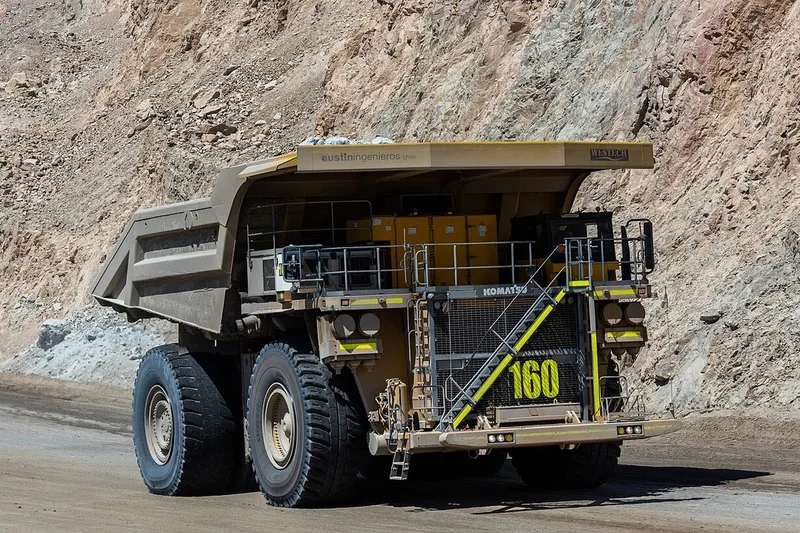
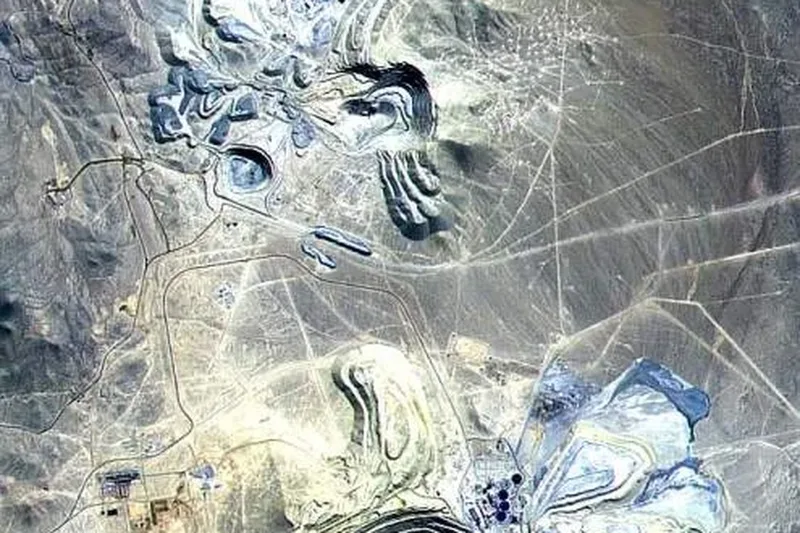
Los Pelambres, in the Coquimbo region about 240 kilometres north of Santiago, is the flagship mine of Antofagasta plc, which is controlled by Chile’s Luksic family. Antofagasta owns 60 percent, with Japanese partners holding the rest.
Central Chile suffered a long drought in the 2010s and early 2020s. Water shortages limited how much ore Los Pelambres could process, even when its equipment could handle more.
Antofagasta approved a Phase 1 expansion in 2018 with a budget of about US$1.3 billion, including about US$500 million for a desalination plant and water pipeline.
The project added a 400-litre-per-second desalination plant and an additional concentrator line. According to the company’s 2024 report, stated processing capacity rose from 175,000 to 190,000 tonnes of ore per day.
The company also reported a 22 percent increase in ore throughput rates in 2024. That increase was larger than the rise in rated capacity, which suggests that better water availability allowed the existing plant to run closer to its potential.
Los Pelambres produced about 320,000 tonnes of copper in 2024, up from about 300,300 tonnes in 2023.
Antofagasta is building a further phase that will double desalination capacity to 800 litres per second and add a new concentrate pipeline, aiming for 90 percent of the mine’s water to come from seawater or recirculation.
The lesson applies widely: operations from hydropower plants to farms can be limited by inputs rather than by the size of their equipment.
Design capacity and actual throughput are different measures. Design capacity is the maximum the plant can process under ideal conditions. Actual throughput depends on ore hardness, maintenance, water supply and power.
Analysts therefore look at both. A small rise in capacity combined with a large rise in throughput suggests that a constraint other than equipment has been relieved.
Grinding is the most energy-intensive part of copper processing. Ore must be crushed and ground into fine particles before flotation can separate copper minerals. Harder ore takes longer to grind, which reduces throughput.
The mine’s location close to communities and farming valleys has made water and tailings management sensitive issues, and Antofagasta has faced scrutiny over its use of local water resources.
The planned new concentrate pipeline will follow a route that avoids more populated areas, responding to community concerns.
For investors, understanding which constraint limits production helps judge whether future spending will raise output or simply protect it.
Antofagasta’s total copper output in 2023 was about 660,600 tonnes, with Los Pelambres its largest contributor.
The company aims to reach about 900,000 tonnes a year of copper in the long term through projects at Los Pelambres, Centinela and other operations.
Water investments are therefore central to the group’s growth strategy, not just to environmental goals.
The case is therefore a useful reminder for analysts: before assuming that a bigger plant means more output, check what else must flow into it.
Drought conditions in central Chile also affected farmers and towns, so the mine’s shift to seawater reduced competition for scarce freshwater in the Choapa valley.
That shift has both commercial and social value, because it lowers the risk of conflict over water with neighbouring communities.
The second desalination phase will test whether doubling water supply produces a similar improvement in reliability.
Results from that phase will be reported in Antofagasta’s annual reports over the coming years.
Those reports will show whether the mine can sustain its higher throughput through future dry seasons.
For a mine of this size, even a few percentage points of extra throughput translate into thousands of tonnes of additional copper each year.
Key moments
Los Pelambres processes ore with a stated 175,000-tonne-per-day rating.
Antofagasta describes the expanded rating and separately reports operational throughput growth.
Source: Antofagasta Annual Report 2024, cited in the case.
The trade-offs at the heart of the case
Our assessment
I would approve follow-on spending only after reviewing hourly periods when equipment was available, ore was available and water was the binding constraint. A year with unusual rainfall will weaken the inference from a simple before-and-after comparison. Copper sold is one step further removed because grade, recovery and concentrate inventories also change. For the next unit of capital, look for the next constraint, even if the last investment was successful.
For your seminar, paper or interview
- Q1
Why can throughput increase faster than rated capacity?
- Q2
How would you apportion the return from doing both projects together?
- Q3
What observations would support adding a second water module?
- Q4
Which observations would verify demand at the time and location the capacity is available?
- Q5
Would a smaller fixed commitment or a guaranteed unit margin give better downside protection?
- Capacity expansion
- Bottlenecks
- Water constraints
- Throughput analysis
How we would approach it
Simplifying Finance’s opinion, offered as a starting point for debate, not as fact or investment advice.
We think Los Pelambres shows that water, not just equipment, can be the true bottleneck in mining. The desalination plant allowed the mine to use its existing capacity more fully during drought, which mattered as much as the new concentrator line.
Identify the bottleneck
Invest where constraints really bind.
Secure water
Expand desalination as planned.
Measure throughput
Separate design capacity from actual output.
What this plan gives up
New capacity is valuable only if inputs such as water are available.
The strongest counter-argument
Some argue desalination costs reduce long-term margins.
Metrics to watch
- Ore throughput
- Share of water from seawater
Propose your solution
Pick a discussion question and set out what you would do, why, and what it would cost. Strong, well-argued answers are reviewed and published below with your first name and programme.
Published solutions
Loading published solutions…
- Antofagasta · Annual Report 2024, Los Pelambres project pipeline ↗
- Antofagasta · 2024 half-year results ↗
- Engineering News • Antofagasta marks 25 years of Los Pelambres ↗
- BNamericas • Antofagasta Minerals advances toward 900,000 t/y copper ↗
- Mining Technology • Antofagasta approves $1.3bn Los Pelambres expansion ↗
- Photo: Minera Los Pelambres, Salamanca, Chile - panoramio (1) by Nelson Pérez, CC BY-SA 3.0 (cropped and resized) ↗
Figures are as reported by the companies or cited outlets as of 22 November 2026. Check the source before quoting. Corrections: let us know through the solution form.