What happened
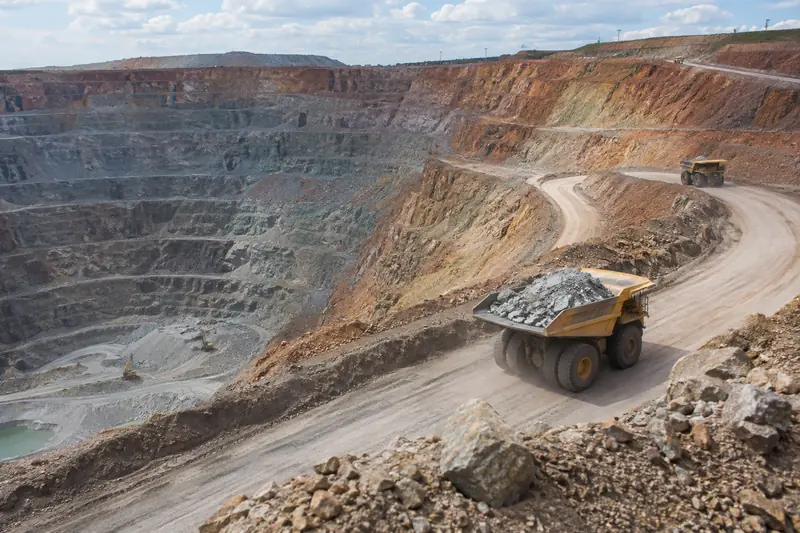
First Quantum Minerals, a Toronto-listed miner founded by the Pascall family, built Cobre Panamá in a remote forest in Colón province, about 120 km west of Panama City. It invested around US$10 billion, and when production started in 2019 the mine became one of the world’s largest new sources of copper, a metal essential for electric vehicles, power grids and renewable energy.
The mine’s legal basis was weak from the start. Its original concession dated from 1997 and had been ruled unconstitutional by Panama’s Supreme Court in 2017, but the mine kept operating while a new contract was negotiated. In 2022 the mine was temporarily closed when talks broke down over payments the government wanted. In 2023 Congress approved a new contract allowing at least 20 more years of operation in exchange for higher royalties, worth hundreds of millions of dollars a year to the state.
The contract sparked the largest protests in Panama in decades. Environmental groups, teachers’ unions, Indigenous communities and young people blocked roads for weeks, arguing that the deal was too generous, harmed the environment and was rushed through without proper consultation. Many saw it as a symbol of corruption and foreign exploitation.
On 28 November 2023 the Supreme Court unanimously ruled the new contract unconstitutional, and the government began closing the mine. Congress had also passed a moratorium on new metal mining. Cobre Panamá moved into ‘preservation and safe management’, with stockpiled concentrate exported later to fund maintenance. First Quantum’s shares collapsed and the company had to raise capital and sell assets to manage its debts.
First Quantum launched international arbitration seeking at least US$20 billion, then discontinued it in 2025 because President José Raúl Mulino said he would talk only if arbitration ended. An environmental audit began in January 2025. In September 2026 a government commission recommended a temporary restart to fund a controlled closure, and in November 2026 Mulino announced formal talks on a new agreement.
The case is a powerful illustration of the ‘social licence to operate’: even legally signed contracts can collapse without broad public acceptance. It also shows how a single asset can dominate a company’s fortunes.
The closure also hurt Panama. Thousands of workers lost jobs, suppliers lost business and the government lost royalties and taxes, while copper prices stayed high. Supporters of reopening argue that the economy needs the mine; opponents argue that Panama should protect its forests and water, and that the country can prosper through services and the canal. Public opinion has shifted somewhat as the economic costs became clearer.
For First Quantum, concentration risk was the core issue. With about 40% of earnings from one mine in one country, a single political event could threaten the whole company. Diversified miners can absorb such shocks; focused ones cannot.
Global copper markets felt the loss too. Analysts expect copper demand to rise sharply with electrification, and few large new mines are coming. Removing a major producer tightened supply and supported prices, which in turn strengthened the economic argument for a restart.
Key moments
Original concession granted.
Supreme Court rules original concession unconstitutional.
Commercial production begins.
New contract approved; mass protests erupt.
Supreme Court strikes down contract; mine closes.
Arbitration dropped; environmental audit begins.
Panama announces formal talks on a new agreement.
Approximate shares before closure. Sources: Mining.com; BNN Bloomberg.
The trade-offs at the heart of the case
Legal contract vs. social licence
Government approval did not guarantee public acceptance.
Economic benefit vs. environment
Jobs and royalties versus forests, water and biodiversity.
Arbitration vs. negotiation
Legal claims may protect value but block political solutions.
For your seminar, paper or interview
- Q1
What is a ‘social licence to operate’, and why did Cobre Panamá lose it?
- Q2
Could First Quantum have prevented the protests? How?
- Q3
Was dropping arbitration a smart move?
- Q4
How should a miner manage concentration risk in a single country?
- Q5
What terms might make a restart acceptable to Panamanians?
- Social licence to operate
- Political risk analysis
- Stakeholder mapping
- Concentration risk
How we would approach it
Simplifying Finance’s opinion, offered as a starting point for debate, not as fact or investment advice.
First Quantum relied on legal approvals rather than broad public support. Any restart should be built on transparency, shared benefits and independent environmental oversight, with Panama receiving a visibly fair share.
Make benefits visible
Fund local infrastructure, education and health programmes tied to production.
Accept independent oversight
Allow independent environmental monitoring with public reporting.
Share upside
Offer royalties that rise with copper prices.
Diversify the portfolio
Reduce dependence on any single mine or country.
What this plan gives up
More generous terms and oversight reduce the mine’s returns, and diversification may require selling other assets at poor prices.
The strongest counter-argument
Some argue First Quantum should have held firm in arbitration to protect contract rights and deter other governments from tearing up agreements.
Metrics to watch
- Progress of restart talks
- Public opinion in Panama
- Copper prices
- First Quantum net debt
- Environmental audit findings
Propose your solution
Pick a discussion question and set out what you would do, why, and what it would cost. Strong, well-argued answers are reviewed and published below with your first name and programme.
Published solutions
Loading published solutions…
- BNN Bloomberg: First Quantum to hold talks with Panama ↗
- Mining.com: Panama to weigh restart ↗
- BNN Bloomberg: First Quantum pulls back from arbitration ↗
- ABC News/AP: Panama reopens talks about copper mine ↗
Figures are as reported by the companies or cited outlets as of 22 November 2026. Check the source before quoting. Corrections: let us know through the solution form.