What happened
For a family choosing whether to send a small child to preschool, a meal has value on the first day. Learning may take a term to become visible. An attractive meal program can therefore create a second budget decision: how to teach a larger group when the classroom and teacher are unchanged.
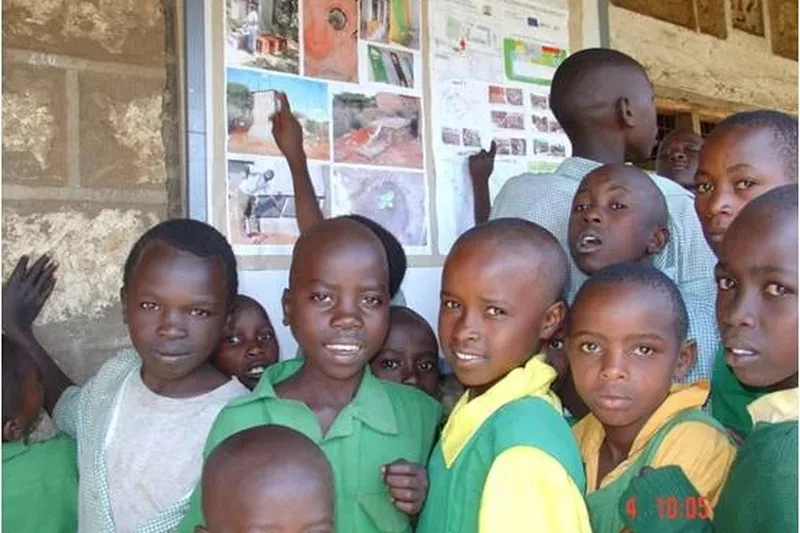
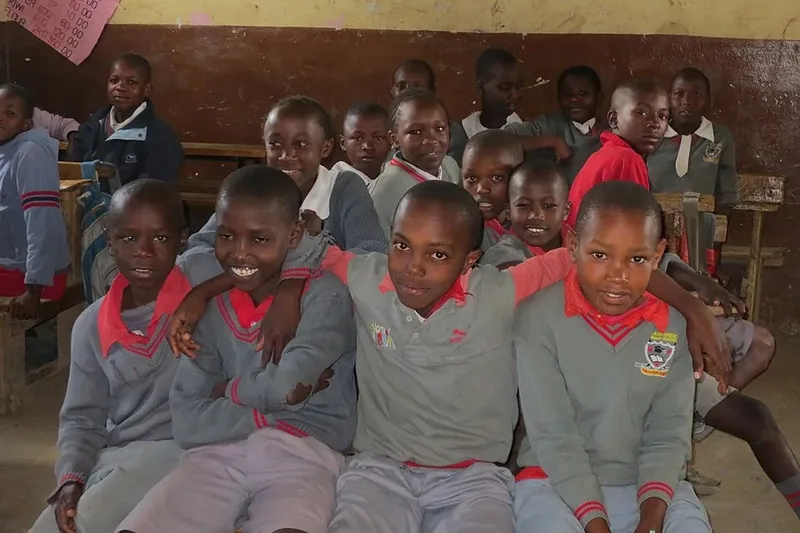
Researchers studied a pool of 50 preschools, 25 randomly selected for subsidized meals. They observed school participation, classroom conditions and curriculum tests. The food was both a resource transferred to families and an inducement to bring children to a particular service.
In 1997 about 770,000 Kenyan children, roughly 30 percent of four- to six-year-olds, attended preschool. Most preschools were informal, parent-funded centres attached to primary schools. ICS Africa provided a daily cup of fortified porridge in 25 randomly chosen preschools out of 50 between 2000 and 2002, supplying ingredients and paying a cook, while parents provided firewood and a cup for each child.
Participation rose by about 30 percent. Pupils per teacher increased to 34 in the meal schools, compared with 27 in comparison schools. Test scores improved only where teachers were already experienced, and gains were in curricular knowledge rather than general cognition, suggesting attendance rather than nutrition drove the effect.
School feeding is among the most widespread social programmes in the world, reaching hundreds of millions of children. The Kenyan study shows why it should be planned alongside teaching capacity. Attracting more children is the first step; teaching them well is the second, and it has its own cost.
In budget terms, the meal is a recurring cost, and so is the teaching capacity it requires. Treating them together gives a truer picture of cost per unit of learning.
Kenya later expanded school feeding through national programmes, and the government has set goals for universal school meals in public primary schools, reflecting the policy’s popularity with families. The preschool study remains a useful reminder to plan teaching capacity alongside feeding.
In practice, schools can protect lesson time by serving meals before classes or at set breaks, and by involving parents or cooks in preparation so that teachers are not pulled away from teaching.
Feeding programmes also create local economic links. When schools buy food from nearby farmers, the spending supports local agriculture, an approach known as home-grown school feeding that several African countries have adopted.
For evaluators, the case shows the value of measuring class size and teacher time as well as attendance, because a programme’s side effects can shape its final results as much as its direct ones.
Comparing those costs with the participation gains gives decision makers a fuller picture of what a meal programme really buys.
The preschool years matter because skills built early make later learning easier. Many governments now invest in pre-primary education for that reason, and Kenya made pre-primary a formal part of basic education. The Busia study is a reminder that quality, including trained teachers and manageable class sizes, determines whether that investment pays off.
A simple planning rule follows from the evidence: for every expected increase in attendance from a meals programme, estimate the extra teaching hours required and budget for them at the same time.
Without that step, the meals budget may succeed on its own terms while quietly weakening the education it was meant to support.
Comparable trade-offs appear in health clinics and public offices when a popular service draws more users than staff can handle. The lesson is the same: plan capacity for the demand a programme is designed to create, and measure service quality as well as numbers served.
A careful meals budget therefore includes cooks, fuel, storage and the extra teaching time that larger classes demand. Counting these items from the start helps avoid disappointment when attendance rises faster than learning.
It also makes comparisons with other attendance programmes fairer.
Getting the balance right turns a popular meal into a genuine investment in children’s learning and long-term prospects, rather than an attendance figure alone.
Key moments
ICS starts subsidised breakfasts in 25 of 50 preschools.
Researchers track participation, class size and tests.
Vermeersch and Kremer publish the evaluation.
Source: J-PAL summary of Vermeersch and Kremer, Busia, Kenya.
The trade-offs at the heart of the case
Reading the result
A thirty percent rise in participation is a relative change. The number of extra meals needed depends on attendance before the program and the number of days meals are served. An enrollment register alone cannot give a kitchen its daily requirement. Ask the head teacher for attendance by day, the number of portions available when the last child arrives and the time instruction begins. An increase in demand can make cooking space or classroom staffing the next binding constraint even when the ingredients arrive on time.
The financing decision
Compare protecting the food supply through the end of term with adding support during the busiest part of the school day. The same rise in attendance has different consequences in a preschool with an underused classroom and one whose teacher already supervises a large group.
For your seminar, paper or interview
- Q1
Which people would be missed by measuring only additional child-days with useful instruction?
- Q2
Who carries the cost of food delivery, preparation time and classroom staffing?
- In-kind transfers
- Capacity constraints
- Complementary inputs
- Randomised evaluation
How we would approach it
Simplifying Finance’s opinion, offered as a starting point for debate, not as fact or investment advice.
We think school meals are a strong tool for attendance, but their learning value depends on whether teaching capacity grows with enrolment. A meals budget should come with a plan for the extra children it attracts.
Plan for more pupils
Budget for teachers or assistants as attendance rises.
Protect teaching time
Schedule meals so they do not cut into lessons.
Support new teachers
Pair meals with training in schools with less experienced staff.
What this plan gives up
Meals draw children in but can stretch classrooms and teachers.
The strongest counter-argument
Nutrition advocates argue meals are worthwhile for health and food security even without learning gains.
Metrics to watch
- Pupils per teacher
- Curriculum test scores
Propose your solution
Pick a discussion question and set out what you would do, why, and what it would cost. Strong, well-argued answers are reviewed and published below with your first name and programme.
Published solutions
Loading published solutions…
- School Meals, Educational Achievement and School Finance in Kenya ↗
- World Bank • evidence on preschool feeding in Kenya ↗
- Photo: Situation in school kitchen (5324344316) by SuSanA Secretariat, CC BY 2.0 (cropped and resized) ↗
Figures are as reported by the companies or cited outlets as of 22 November 2026. Check the source before quoting. Corrections: let us know through the solution form.