What happened
Ositrán describes a May 2014 inauguration and a 3.2-kilometre enclosed conveyor carrying concentrate to a dedicated ship-loading facility. Reducing exposure associated with trucks moving mineral concentrates near the port was an objective of the project. Proving the eventual benefit requires observations of traffic and environmental conditions. Neither the length of the belt nor the existence of a dedicated berth establishes the size of that change.
Construct a before-and-after route map. The last journey through the port may disappear even if trucks still bring concentrates to an inland receipt point. Counting each tonne of belt throughput as a whole avoided mine-to-port truck journey would inflate the estimate. For the shipper, compare handling cost, loss, inventory and vessel time per delivered tonne. For residents, examine the particular streets and periods in which the old truck movements ceased.
A bulk terminal’s records can verify tonnes loaded accurately, but they say little about how many trucks would otherwise have used a particular road. Assemble a small origin-and-destination study from shipping documents, depot entries and street counts. Divide avoided tonnes by the loads trucks actually carried and account for empty return travel where it would have occurred. Some activity may have moved to streets around a new receipt depot. Describe those locations openly before estimating the net change. To price the commercial benefit, investigate whether a carrier changes its contract rate after the route shortens. A shipper paying the same rate might still gain from more dependable delivery, but it cannot claim the transporter’s whole fuel saving as its own cash.
Callao is not only Peru’s main container port but also an important exit point for mineral concentrates, such as zinc, lead and copper, produced by mines in the central Andes.
For years, concentrates were carried by truck through urban areas to the port and stored in open warehouses, raising concerns about dust and heavy metal exposure, particularly lead, in nearby neighbourhoods.
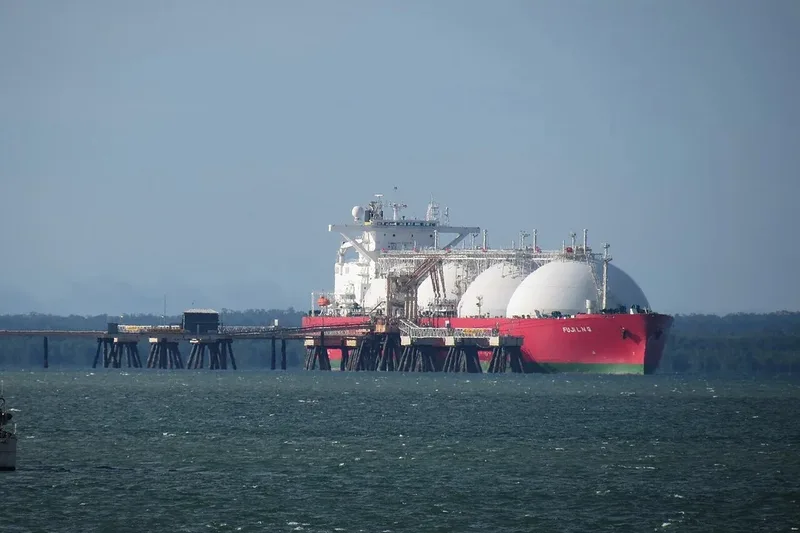
In May 2014 a new concentrate terminal was inaugurated, with a 3.2-kilometre enclosed conveyor carrying concentrates directly to a dedicated ship-loading facility, according to the regulator Ositrán.
The enclosed system was designed to reduce the risk of dust escaping during transport and loading, an objective linked to public health in the surrounding area.
Proving the benefit requires evidence: measurements of air quality and lead levels before and after the terminal began operating, and data on how much cargo moved to the new system.
Children are especially vulnerable to lead exposure, which can affect development, making such investments important for public health.
Ports in Australia and elsewhere have adopted enclosed handling systems for mineral concentrates after concerns about contamination in nearby communities.
For investors, the case illustrates how environmental infrastructure can protect a company’s social licence to operate and reduce long-term liabilities.
The terminal was built by a company formed by mining and logistics firms with an interest in exporting through Callao, showing how industry can invest jointly in shared infrastructure.
Health concerns about lead in Callao have a long history, and authorities have monitored blood lead levels in children living near storage and transport areas.
The project illustrates a principle common to environmental policy: it is often cheaper to prevent pollution at the source than to clean it up afterwards or treat the health effects.
For mining companies, a dedicated, enclosed export terminal also improves reliability. Shipping schedules can be met more consistently when concentrate does not depend on trucks moving through congested city streets.
The terminal’s performance therefore matters both for exporters’ costs and for the health of residents, a combination that makes it a useful case study in shared value.
Regulators can strengthen such outcomes by requiring regular public reporting of environmental monitoring around port facilities.
Its experience offers lessons for other cities where mining exports pass through urban ports.
It shows how logistics investments can deliver environmental gains alongside commercial benefits, and why regulators increasingly expect mining exporters to demonstrate that their operations protect neighbouring communities. Transparent data are the best way to show that those expectations are being met.
Key moments
The dedicated system included a 3.2-kilometre enclosed conveyor.
The mineral concentrate terminal was inaugurated.
Source: Ositrán, as cited in the case.
The trade-offs at the heart of the case
Follow the concentrate and the title to it
Callao’s enclosed conveyor changed the final trip to the ship. Matarani’s storage buffers uneven arrivals and departures. Both cases ask where a tonne physically waits, who finances it there and whether the handling arrangement prevents a cost or moves it elsewhere.
Our assessment
I would compare conditions on affected streets with similar streets exposed to the same weather and industrial activity. For the terminal’s owners, project cash from throughput and tariffs after the maintenance cost of a dedicated conveyor. A single link can remove everyday truck traffic while becoming an important point of interruption in the logistics chain. The investment case should include both regular service and the cost of a prolonged outage.
For your seminar, paper or interview
- Q1
Which segment of a truck journey did the belt replace?
- Q2
How could a neighbourhood benefit that never appears as terminal revenue be measured?
- Q3
What would determine the value of backup handling arrangements?
- Q4
Which pre-intervention trends would support the proposed comparison group?
- Q5
What result would make the estimated effect unsuitable for a financial valuation?
- Environmental infrastructure
- Port logistics
- Public health
- Mining exports
How we would approach it
Simplifying Finance’s opinion, offered as a starting point for debate, not as fact or investment advice.
We think the enclosed conveyor at Callao is a good example of infrastructure that reduces environmental and health risks. Moving concentrates in a closed system rather than by truck through the city lowers dust exposure, though its benefits should be shown through monitoring data.
Monitor air quality
Measure lead and dust near the port.
Maintain the system
Keep conveyors sealed and working.
Report results
Publish environmental data regularly.
What this plan gives up
Enclosed systems cost more but reduce pollution and health risks.
The strongest counter-argument
Some argue concentrate exports should move to ports away from cities.
Metrics to watch
- Air quality near the port
- Tonnes shipped through the conveyor
Propose your solution
Pick a discussion question and set out what you would do, why, and what it would cost. Strong, well-argued answers are reviewed and published below with your first name and programme.
Published solutions
Loading published solutions…
- Government of Peru — Callao mineral concentrate loading terminal profile ↗
- Ositrán — Callao terminal concession summary ↗
- Photo: Belt-conveyor-handling by Chris_moden (talk) (Uploads), Public domain (cropped and resized) ↗
Figures are as reported by the companies or cited outlets as of 22 November 2026. Check the source before quoting. Corrections: let us know through the solution form.