What happened
A tonne of storage and a tonne per hour of discharge answer different questions. Storage absorbs a temporary imbalance between ship arrivals and truck departures. Faster discharge buys time at the berth. To judge which investment has the larger return, examine when silos were already full and when a ship was waiting despite spare storage. Include restrictions on mixing different grain grades. An empty bin of the wrong type may offer no usable capacity for the arriving cargo.
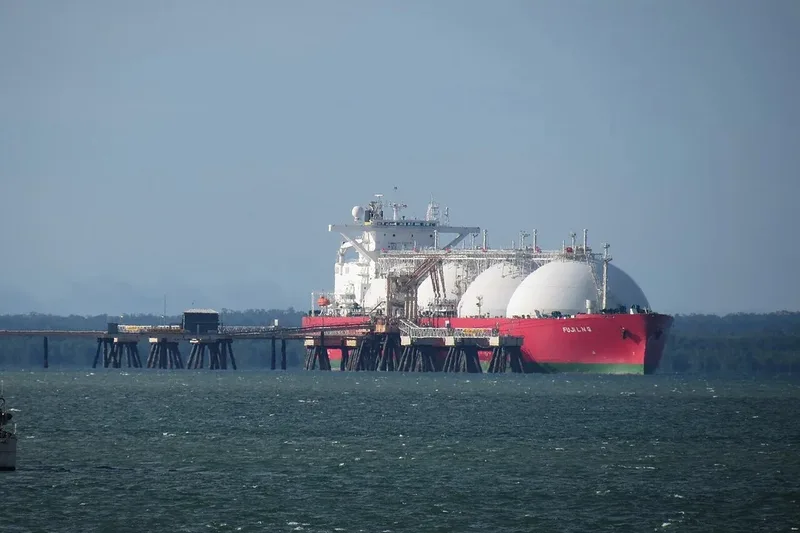
Peru imports large quantities of grain, especially wheat and corn, much of it through the North Pier at Callao, which APM Terminals operates under a concession.
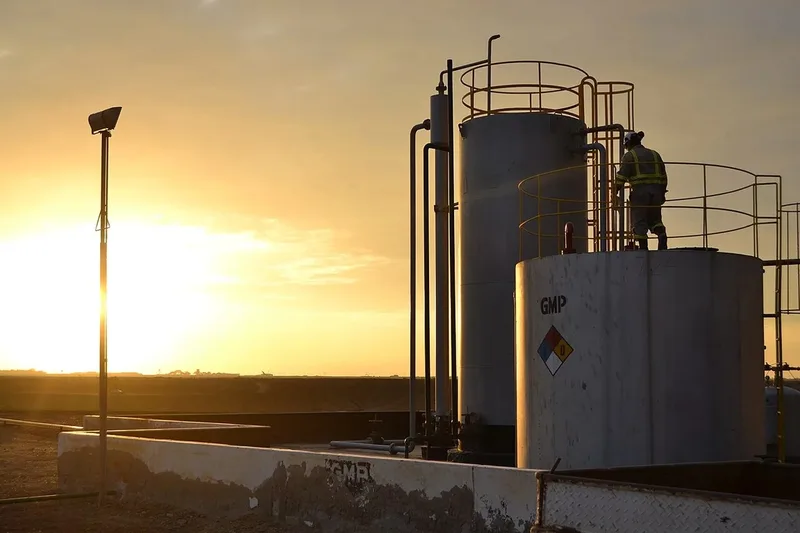
In July 2025 the company inaugurated Stage 3A of its investment programme, reporting an investment of US$95 million. Grain storage capacity rose from 25,000 to 85,000 tonnes and the unloading rate increased from 900 to 1,300 tonnes an hour.
Storage and unloading speed address different problems. Faster unloading reduces the time a ship spends at the berth, saving demurrage, the fees charged when ships wait. More storage absorbs the gap between ship arrivals and the trucks that carry grain inland.
If silos are already full when a ship arrives, faster unloading cannot be used fully. If ships rarely wait, extra storage may not save much. Understanding which constraint matters most determines the return on investment.
Grain imports matter for food prices. Delays and congestion at ports add costs that are eventually passed on to millers, bakers and consumers.
APM Terminals, part of the Maersk group, operates terminals in many countries and has invested in Callao’s North Pier in stages since its concession began.
Bulk terminals worldwide face similar trade-offs between berth productivity and storage capacity, especially for agricultural products with seasonal shipping patterns.
The case is a useful introduction to bottleneck analysis: improving a step that is not the binding constraint adds little to total output.
The investment was part of a broader modernisation programme at the North Pier, which handles general cargo, containers and bulk goods, and which the operator has upgraded in phases since its concession began.
For a port operator, investments in bulk handling compete with investments in container capacity. The decision depends on expected volumes, fees and the operator’s obligations under its concession.
Peru’s dependence on imported grain means that port efficiency has a direct effect on the cost of staple foods. In years of high international grain prices, every day of delay at the port adds to costs that ultimately reach consumers.
Silo capacity also provides a buffer against supply disruptions. If trucks cannot leave the port because of road blockades or strikes, grain can be stored rather than left on ships, reducing costly waiting time.
Measuring the benefits requires data on ship arrival patterns, waiting times and silo occupancy before and after the investment, which allows the operator and the regulator to see whether the expected gains materialised.
For students, the case shows that efficient supply chains depend on matching capacities at every step, not just on the most visible piece of equipment.
The investment also shows how a concession can be structured in stages, with new investment obligations triggered as traffic grows, so that capacity expands in line with demand rather than all at once.
Other bulk ports in Latin America, from Santos in Brazil to Buenaventura in Colombia, face similar choices about storage and unloading speed for grain and fertiliser imports.
The investment also has a public dimension. Because grain is a staple food, regulators and the government have an interest in ensuring that port bottlenecks do not raise prices for consumers. Concession contracts can include performance standards, such as maximum waiting times, that protect users and encourage operators to invest where the bottleneck lies.
In this sense, the case connects port economics with food security, a link that became especially visible during global supply chain disruptions after 2020, when shipping delays raised the cost of imported food in many countries.
For a finance student, it is also a reminder to ask which constraint an investment relieves before estimating its return.
Good data turn that question into a clear investment case.
Key moments
Reported grain storage capacity was about 25,000 tonnes.
The inaugurated modernisation raised storage capacity to 85,000 tonnes.
Source: APM Terminals (July 2025).
The trade-offs at the heart of the case
Two different queues in the same port
Callao’s South Terminal added quay length for container ships. Its North Terminal added grain storage and improved discharge rates. Counting extra port capacity conceals the distinction between a vessel that cannot find berth space and a vessel that cannot unload because the silos are full.
Our assessment
I would map the saved vessel hours to the party paying for the delay. A shipper may capture lower demurrage while the terminal earns the same tariff per tonne. The operator’s financial return then depends on repeat business, a different tariff agreement or additional cargo through the liberated berth. Those routes to value should be estimated separately before comparing them with the US$95 million investment.
For your seminar, paper or interview
- Q1
Who benefits first from lower demurrage?
- Q2
Which record shows whether storage or unloading speed held up a vessel?
- Q3
Which observations would verify demand at the time and location the capacity is available?
- Q4
Would a smaller fixed commitment or a guaranteed unit margin give better downside protection?
- Bulk cargo handling
- Bottleneck analysis
- Port concessions
- Food supply chains
How we would approach it
Simplifying Finance’s opinion, offered as a starting point for debate, not as fact or investment advice.
We think APM Terminals’ investment at Callao addressed two bottlenecks at once: faster unloading at the berth and more storage on land. The return depends on which constraint was binding, so measuring ship waiting times and silo use is essential.
Measure the bottleneck
Identify whether berth time or storage limited throughput.
Coordinate trucking
Match silo capacity with truck pick-ups.
Track ship waiting time
Report delays before and after.
What this plan gives up
More storage and faster unloading reduce costs but tie up capital.
The strongest counter-argument
Some argue importers should invest in their own storage inland.
Metrics to watch
- Ship waiting time
- Silo utilisation
Propose your solution
Pick a discussion question and set out what you would do, why, and what it would cost. Strong, well-argued answers are reviewed and published below with your first name and programme.
Published solutions
Loading published solutions…
- APM Terminals — Inauguration of North Terminal Stage 3A ↗
- Ministry of Transport and Communications — New grain-handling facilities at Callao ↗
- Photo: Cargill dock 03 by Wikideas1, CC0 (cropped and resized) ↗
Figures are as reported by the companies or cited outlets as of 22 November 2026. Check the source before quoting. Corrections: let us know through the solution form.