What happened
ProInversión’s project profile lists 510 megawatts of installed power at Cerro del Águila in Huancavelica. The plant draws on the Mantaro and feeds the national interconnected system. An installed-capacity figure describes the equipment in the cited profile. It does not measure the amount a seller can reliably contract for every hour of a dry season. A forecast of average inflow can hide a sequence of low-water periods that matters much more to debt service.
A power buyer should request the joint distribution of plant output and replacement energy prices. If neighbouring hydro plants share similar rainfall patterns, buying cover from another plant in the same river system may offer little protection when it is most needed. A distant source with a different weather pattern can diversify supply, provided transmission is available to deliver it. The relevant portfolio is the power that reaches the contract point on the settlement date.
Cerro del Águila is a hydroelectric plant on the Mantaro River in the Huancavelica region of central Peru. ProInversión’s project profile lists its installed capacity at 510 megawatts.
The Mantaro River is one of Peru’s most important sources of hydropower, already hosting large plants upstream. Cerro del Águila feeds the National Interconnected Electric System, known as SEIN.
Installed capacity measures the maximum power the equipment can produce. It does not tell a buyer how much energy the plant can reliably supply in every hour, especially during the dry season, when river flows fall.
Peru’s hydrology follows a seasonal pattern, with a wet season in the Andes followed by months of lower flows. A hydropower plant must manage this cycle, sometimes using reservoirs to store water.
Generators that sign contracts to supply a fixed amount of energy take on risk: if their own output falls short in a dry year, they may have to buy electricity from the market at high prices to meet their obligations.
For this reason, hydro-based companies often combine hydropower with gas-fired or renewable plants to balance their portfolios.
Hydropower remains a major source of electricity in Latin America, from Brazil to Colombia, and droughts in recent years have shown how exposed these systems are to changing rainfall.
For investors, the case shows that the same capacity figure can represent very different amounts of firm, contractable energy depending on location and climate.
Large hydro projects also involve significant construction risks, from tunnelling through mountains to managing sediment in rivers. Delays and cost overruns are common, and these affect the return on investment.
Despite these risks, hydropower offers long asset lives, often more than 50 years, and very low operating costs once built, which can make it attractive to long-term investors.
Peru’s grid relies heavily on hydropower and natural gas from Camisea. The balance between the two shifts with the seasons, as hydro output rises in the wet months and gas plants fill gaps in the dry season.
The value of a hydro plant within this system therefore depends not only on its own output but on how it interacts with other generators and with demand.
For investors, firm capacity, the amount of power a plant can reliably deliver when needed, is often worth more than total annual energy.
The case shows why investors and lenders study hydrological records going back decades before committing capital to a hydro plant.
Climate change adds a further layer of uncertainty, since glacier retreat in the Andes and changing rainfall patterns could alter river flows over the life of the plant. Investors increasingly test hydro projects against a range of climate scenarios rather than relying only on historical averages.
Hydropower also provides flexibility that solar and wind cannot, since plants with reservoirs can increase or reduce output quickly to match demand. That flexibility becomes more valuable as more variable renewable energy is added to the grid, and some markets now pay plants specifically for providing it.
The plant’s value to the grid therefore extends beyond the energy it sells, and any assessment should include the flexibility it provides during peak demand.
Key moments
The Mantaro River scheme was sized for Peru’s interconnected system.
The project profile and operational study report 510 MW.
Osinergmin records the plant entering service.
Source: ProInversión project profile.
The trade-offs at the heart of the case
Price the shortage that occurs across several assets at once
A regional lull can make wind replacement power expensive and a widespread drought can do the same for hydropower. Reading the two cases together helps distinguish independent plant failures from shared weather risks that diversification within one region may not remove.
Our assessment
I would price a smaller firm commitment and a larger variable component, then compare their downside with that of a single fixed contract. Include any operational or environmental constraints on how water can be used. The cheapest source of expected megawatt-hours can leave an expensive short position during drought. A strong contract aligns the commitment with dependable water and the balance sheet available for buying replacements.
For your seminar, paper or interview
- Q1
Which rainfall series belongs in a firm-power forecast?
- Q2
When would a second hydro project increase the same risk?
- Q3
How much replacement energy can be bought before cash reserves are exhausted?
- Q4
How would the decision change if the two adverse events were correlated or could occur together?
- Q5
What additional value should the decision maker assign to avoiding a cash shortage during the severe event?
- Hydropower
- Hydrological risk
- Firm capacity
- Power contracts
How we would approach it
Simplifying Finance’s opinion, offered as a starting point for debate, not as fact or investment advice.
We think Cerro del Águila illustrates the value and the risk of large hydropower. It provides low-cost, low-carbon electricity, but its output depends on river flows, so contracts must be sized for dry seasons, not average years.
Contract conservatively
Sell what can be delivered in dry years.
Diversify the portfolio
Combine hydro with other sources.
Track river flows
Monitor hydrology and climate trends.
What this plan gives up
Hydropower is cheap to run but exposed to drought.
The strongest counter-argument
Some argue climate change makes long-term hydrology forecasts unreliable.
Metrics to watch
- Annual generation
- Dry-season output
Propose your solution
Pick a discussion question and set out what you would do, why, and what it would cost. Strong, well-argued answers are reviewed and published below with your first name and programme.
Published solutions
Loading published solutions…
- ProInversión — Cerro del Águila hydroelectric plant ↗
- PEPSA — Cerro del Águila operability study ↗
- Osinergmin and COES — Power-station compendium, Cerro del Águila ↗
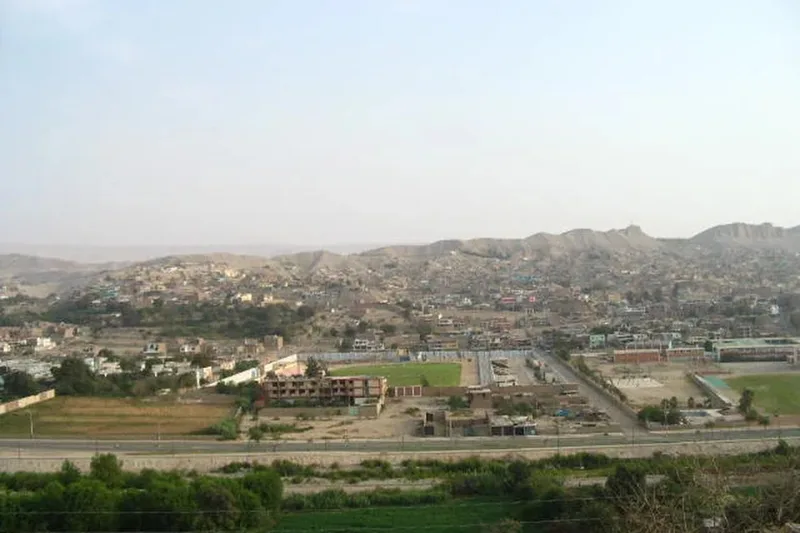
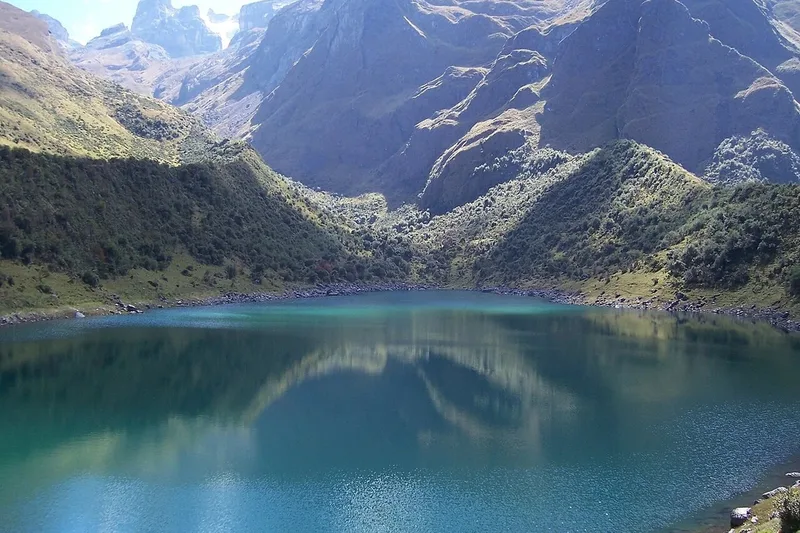
- Photo: Rio Mantaro 511 by No machine-readable author provided. Wikiperuvian assumed (based on copyright claims)., Public domain (cropped and resized) ↗
Figures are as reported by the companies or cited outlets as of 22 November 2026. Check the source before quoting. Corrections: let us know through the solution form.