What happened
In April 2014 MMG announced a consortium agreement to buy the Las Bambas copper project from Glencore for base consideration of US$5.85 billion. Glencore identified the consortium interests as 62.5% for MMG, 22.5% for Guoxin and 15% for CITIC Metal. The announcement described an advanced development asset. It did not say that the consideration covered every remaining dollar needed to produce and sell concentrate.
The investor needs three distinct amounts: what the seller receives under the closing formula, what remains to finish and commission the project, and the working capital required before customers pay. An adjustment for development spending between an agreed date and closing can move cash between buyer and seller without changing the eventual cost of operating the mine. Assign each amount once. Compare the price with production that can realistically be shipped, taking account of grade, recovery, transport and the deduction between contained metal and payable metal.
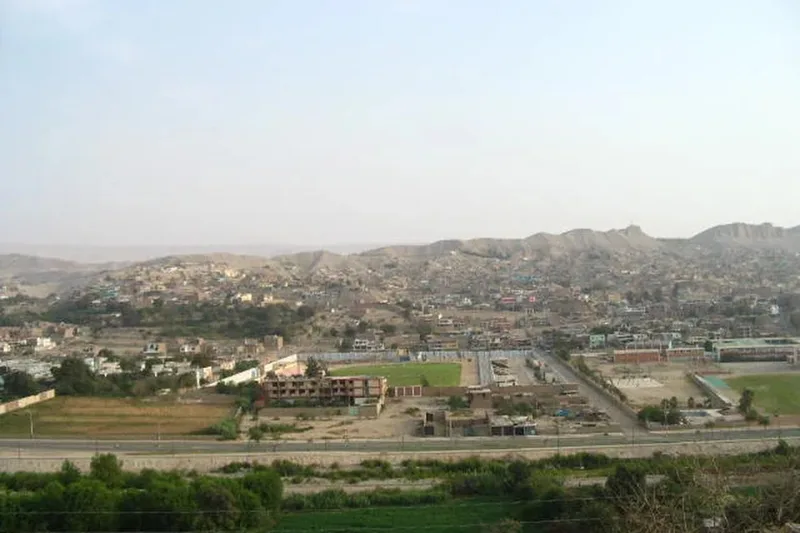
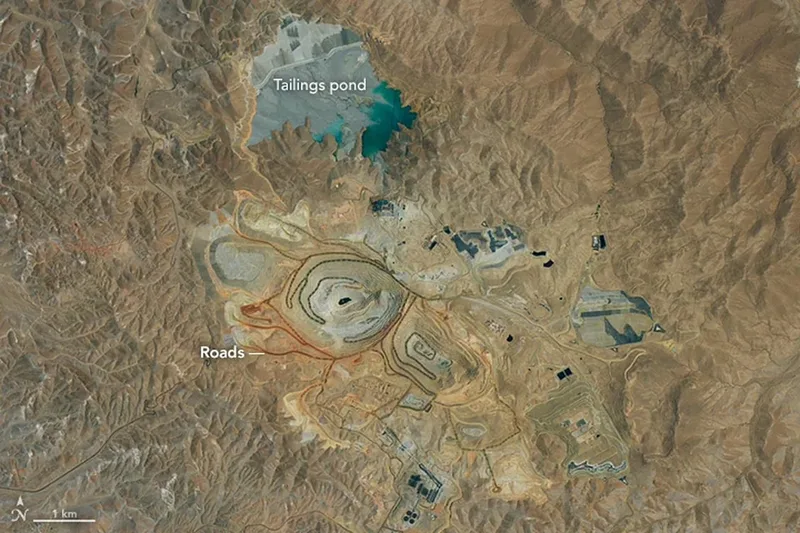
Las Bambas is a large open-pit copper mine in the Apurímac region of southern Peru, about 75 kilometres south-west of Cusco. Glencore sold it in 2014 to a consortium led by MMG, the overseas arm of China Minmetals, for base consideration of US$5.85 billion.
The consortium interests were 62.5 percent for MMG, 22.5 percent for Guoxin International and 15 percent for CITIC Metal.
Production began in early 2016, and the mine has a capacity of up to 400,000 tonnes of copper a year, roughly 2 percent of global primary output.
Las Bambas has faced recurring protests and road blockades. Concentrate is trucked along a road through communities that say they have received too few benefits. By company estimates, operations were disrupted for close to 400 days between 2016 and 2021, and a later report put disruptions at more than 600 days.
In late 2020, a three-week blockade prevented MMG from exporting 189,000 tonnes of concentrate worth about US$530 million. In 2021 the company warned it would halt production because supplies could not reach the mine.
After roadblocks were lifted in March 2023, output recovered. Copper in concentrate rose from 254,836 tonnes in 2022 to 302,033 tonnes in 2023, and Las Bambas EBITDA rose 24 percent.
To sustain production, MMG has been developing a second pit, Chalcobamba, which has also faced delays.
The case illustrates a key principle in mining finance: a valuation must include the cost and probability of disruption, not only reserves, grades and copper prices.
Glencore’s sale was not entirely voluntary. Chinese competition regulators required it to divest Las Bambas as a condition of approving its merger with Xstrata, which affected the seller’s negotiating position.
The project had been estimated to cost around US$10 billion in total by the time it opened, making it one of the largest mining investments in Peru’s history.
In 2023, MMG’s capital expenditure at Las Bambas was US$332.6 million, much of it linked to developing new ore sources, and the company guided 2024 copper output of 280,000 to 320,000 tonnes.
The mine’s experience led to debate about who should build and maintain the road. MMG argued that paving the route was the government’s responsibility and that a railway would be a better long-term solution.
For investors, Las Bambas illustrates the importance of logistics risk. A mine that cannot ship its product cannot earn revenue, however rich its deposit.
Peru is one of the world’s largest copper producers, and mining accounts for a large share of its exports. Decisions about how mines are financed, expanded and operated therefore matter for national income, government revenue and regional development, not only for the companies involved.
Copper demand is expected to rise with electric vehicles, renewable energy and power grids, which increases the importance of reliable new supply. At the same time, mining projects in Peru and elsewhere face growing expectations from communities and regulators on water, land and benefit-sharing.
For a finance student, the case is a reminder to separate the headline figures in announcements from the cash flows that determine value: who pays, when, and what is received in return.
Long-term solutions under discussion have included paving the road and building a railway, both of which would require large investments and agreements among the company, government and communities.
Its experience is now a reference point for mining investors across Latin America.
Key moments
The parties signed the Las Bambas acquisition agreement.
The consortium outlined ownership shares and the basis for settlement of project expenditure.
Source: MMG Annual Report 2023.
The trade-offs at the heart of the case
Buying an asset and funding the purchase
Las Bambas required the buyer to settle an acquisition and fund completion of a mine. Makro Perú combined the purchase of operating stores with a bridge that later needed lasting finance. The price alone reveals little about the peak cash commitment in either deal.
Our assessment
I would give independently tested logistics and completion readiness as much weight as the headline resource size. A company can own a valuable deposit and still be unable to make a scheduled debt payment if roads, processing or commercial settlement lag. Ask how much the consortium could contribute in a downside before treating long-run asset value as protection for a short-term lender.
For your seminar, paper or interview
- Q1
Where would post-signing development spending appear in the funding schedule?
- Q2
How does a minority partner price a future capital call?
- Q3
Which milestone would show that completion risk has become operating risk?
- Q4
How far before the projected low point must a funding commitment become unconditional?
- Q5
Which payment could be rescheduled without weakening the receipts expected later in the forecast?
- M&A valuation
- Political risk
- Commodity projects
- Consortium finance
How we would approach it
Simplifying Finance’s opinion, offered as a starting point for debate, not as fact or investment advice.
We think the Las Bambas acquisition shows that the price paid for a world-class deposit is only the start of the investment case. Community relations and transport access proved as important to returns as geology.
Invest in logistics
Secure reliable routes to port.
Build local agreements
Share benefits with communities on the road corridor.
Develop new pits
Sustain output as grades decline.
What this plan gives up
A large, low-cost deposit offers high returns, but disruption risk can erode them.
The strongest counter-argument
Some argue the buyers paid a fair price given the mine’s scale and long life.
Metrics to watch
- Days of transport disruption
- Annual copper output
Propose your solution
Pick a discussion question and set out what you would do, why, and what it would cost. Strong, well-argued answers are reviewed and published below with your first name and programme.
Published solutions
Loading published solutions…
- MMG — Agreement to acquire Las Bambas ↗
- Hong Kong Exchanges — Las Bambas acquisition circular ↗
- Glencore — Sale of Las Bambas ↗
- MMG • Annual Report 2023, Las Bambas mine analysis ↗
- Mining.com • MMG to shut down Las Bambas by mid-December (2021) ↗
- Mining Weekly • Delays at Las Bambas expansion (2023) ↗
- Photo: Uspaccocha nevado by Peter Stewart, Public domain (cropped and resized) ↗
Figures are as reported by the companies or cited outlets as of 22 November 2026. Check the source before quoting. Corrections: let us know through the solution form.