What happened
Start the funding schedule with the recipient of each transfer. When a project issues shares, the cash enters the project company. A payment for an existing shareholder’s shares would instead enter the seller’s account. Separate the opening subscription, future equity contributions, debt and any shareholder guarantees. Each has a different date and ranking. An ownership percentage also says little about who must provide cash if the construction team runs out of funds before a lender’s completion tests have been met.
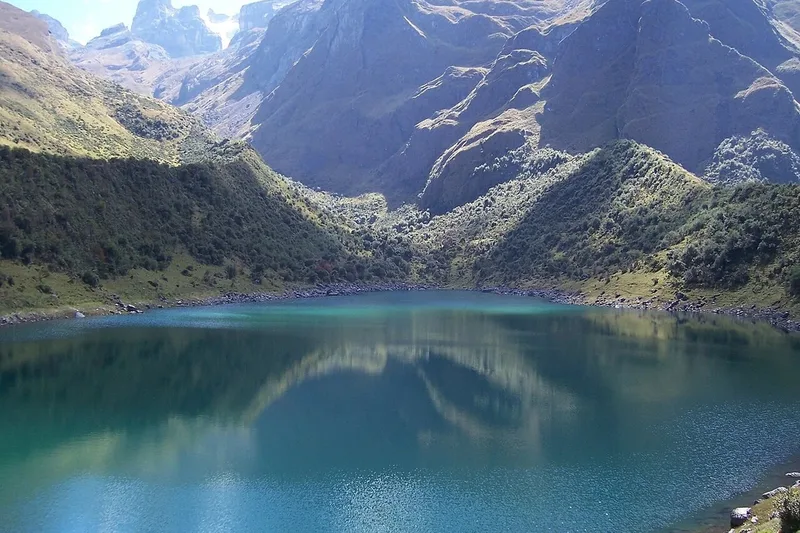
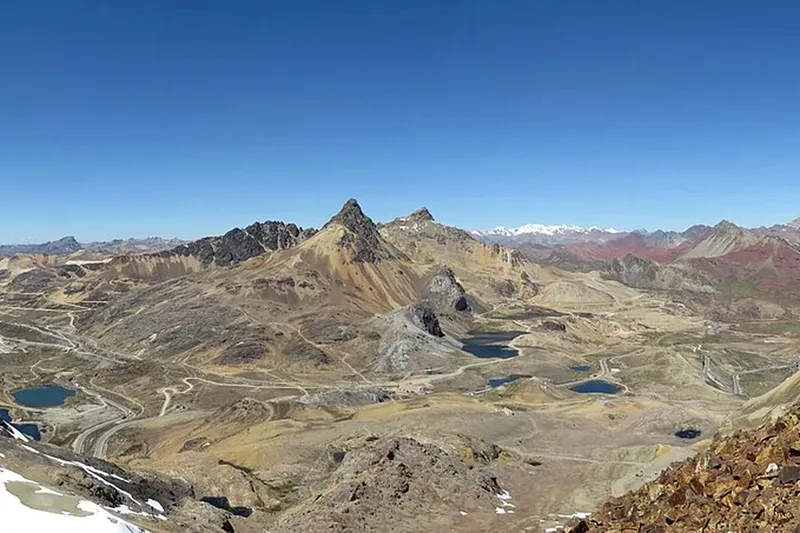
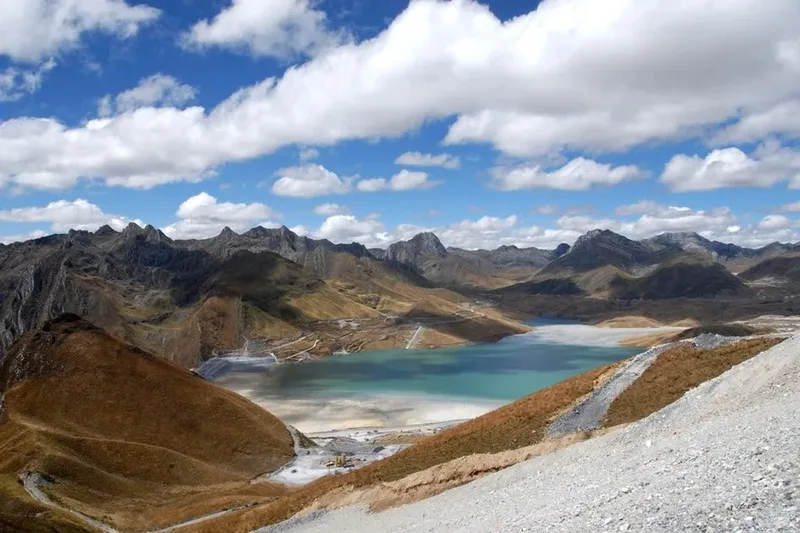
Quellaveco is an open-pit copper mine in the Moquegua region of southern Peru. Anglo American approved its development in July 2018, at the same time agreeing that Mitsubishi Corporation would increase its stake from 18.1 percent to 40 percent by subscribing for new shares.
The capital cost estimate at approval was US$5.0 billion to US$5.3 billion. Mitsubishi later put the total at about US$5.5 billion, including about US$0.6 billion of additional costs for managing the impact of the COVID-19 pandemic from 2020.
First ore was mined in October 2021, and Anglo American announced first production of copper concentrate in July 2022. Commercial operations and shipments began in September 2022 after final regulatory clearance.
The mine was expected to produce about 300,000 tonnes of copper equivalent a year on average over its first ten years, at a C1 unit cost of about 95 US cents per pound over the first five years at full production. Anglo American said Quellaveco alone would lift its global output by about 10 percent in copper-equivalent terms.
Quellaveco has an estimated 1.7 billion tonnes of ore reserves and a reserve life of 36 years. It was the first mine in Peru to deploy autonomous trucks and drills and draws its electricity entirely from renewable sources.
For Mitsubishi, the investment was strategic: it said its attributable copper production would rise by about 50 percent, to between 320,000 and 370,000 tonnes a year.
The case is a lesson in joint-venture finance. An ownership percentage determines a share of future profits, but the funding agreement determines who pays when costs rise, which matters most during construction.
Large mining projects worldwide, from Chile to Mongolia, are often developed by partnerships for exactly this reason: no single company wants to carry the full risk of a multi-billion-dollar build.
The agreement also changed who would fund the remaining construction. Mitsubishi agreed to fund its pro rata share of development, which meant that as costs rose during the pandemic, it would carry 40 percent of the increase rather than the smaller share implied by its earlier stake.
Anglo American later broke down Mitsubishi’s US$851 million subscription into US$500 million of upfront consideration and US$351 million towards its share of initial capital expenditure.
The pandemic tested the arrangement. Construction was disrupted in 2020, adding about US$0.6 billion to costs, yet first production arrived in 2022 as planned. Having a well-funded partner helped absorb the shock.
For Peru, Quellaveco was one of the largest mining investments in its history and an important source of jobs and tax revenue in Moquegua. Before development, the company and local stakeholders reached agreements focused on local employment and purchasing.
For students, the case shows why the terms of a partnership matter as much as the percentage owned. Rights to approve budgets, obligations to fund overruns and remedies if a partner cannot pay all shape the true allocation of risk.
Peru is one of the world’s largest copper producers, and mining accounts for a large share of its exports. Decisions about how mines are financed, expanded and operated therefore matter for national income, government revenue and regional development, not only for the companies involved.
Copper demand is expected to rise with electric vehicles, renewable energy and power grids, which increases the importance of reliable new supply. At the same time, mining projects in Peru and elsewhere face growing expectations from communities and regulators on water, land and benefit-sharing.
For a finance student, the case is a reminder to separate the headline figures in announcements from the cash flows that determine value: who pays, when, and what is received in return.
Key moments
Mitsubishi held 18.1% of the project company.
Anglo American approved development and announced the agreement to raise Mitsubishi’s interest to 40%.
Sources: Anglo American and Mitsubishi Corporation announcements.
The trade-offs at the heart of the case
A shareholder’s promise to pay
At Quellaveco, issuing project-company shares redistributed the development bill. At Mina Justa, the ownership transaction and the financing close occurred at different levels of the group. Drawing both structures side by side reveals which participant would actually receive a contractor’s call for money.
Our assessment
I would compare the value Anglo American retained against the liquidity and downside exposure it released. A smaller share of a well-funded operation can be preferable to a larger share that prevents the owner from meeting its other commitments. Ask how an overrun would be approved, how quickly each partner must fund and what happens if one cannot. Those rights can matter more than a small difference in the headline valuation.
For your seminar, paper or interview
- Q1
Why issue new shares at the project company?
- Q2
Who would finance an overrun before a completion test?
- Q3
What would make a 40% interest worth less than 40% of a completed mine?
- Q4
Which operating-entity restriction would most reduce the money that can be moved upstream?
- Q5
Would retained earnings support long-run value while creating a short-term need for shareholder funding?
- Joint ventures
- Project finance
- Risk sharing
- Copper markets
How we would approach it
Simplifying Finance’s opinion, offered as a starting point for debate, not as fact or investment advice.
We think Anglo American’s decision to bring Mitsubishi up to 40% was a sound way to share the risk of a very large project. It kept majority control while reducing its exposure to construction overruns, and the mine was delivered on time despite the pandemic.
Agree funding rules early
Set how overruns are approved and paid.
Match partners’ capacity
Choose partners able to fund their share.
Keep operational control
Retain a clear operator.
What this plan gives up
Selling a larger share reduces risk but also reduces future profits.
The strongest counter-argument
Some argue Anglo American could have funded the project alone and kept more upside.
Metrics to watch
- Capital cost versus budget
- Production versus guidance
Propose your solution
Pick a discussion question and set out what you would do, why, and what it would cost. Strong, well-argued answers are reviewed and published below with your first name and programme.
Published solutions
Loading published solutions…
- Anglo American — Quellaveco development and ownership update ↗
- Mitsubishi Corporation — Final investment decision on Quellaveco ↗
- Anglo American • First copper production from Quellaveco (July 2022) ↗
- Mitsubishi Corporation • First copper production from Quellaveco ↗
- Anglo American • Copper shipments from Quellaveco (Sept 2022) ↗
- Photo: View of Moquegua Peru 2005 by User:StarbucksFreak in the english wikipedia, CC BY-SA 3.0 (cropped and resized) ↗
Figures are as reported by the companies or cited outlets as of 22 November 2026. Check the source before quoting. Corrections: let us know through the solution form.