What happened
Ositrán’s terminal reports distinguish the concentrate systems serving berths C and F. At berth F they describe enclosed static storage of 300,000 tonnes and an 850-metre conveyor with stated loading capacity of 2,000 tonnes per hour. At that rate, moving a quantity equal to the whole nominal store would take 150 uninterrupted hours. This theoretical conversion does not account for separate grades, ship availability, maintenance or the space needed to handle arrivals.
Storage can let a mine continue shipping to port when a vessel is late. It can also allow the port to assemble a parcel in time for a vessel. Estimate each benefit against the actual alternative, which might be mine-site storage, a different sailing or lower production. Identify when title passes. Inventory financed by a mining company does not create an equivalent working-capital charge for the terminal, although both may suffer from an interruption.
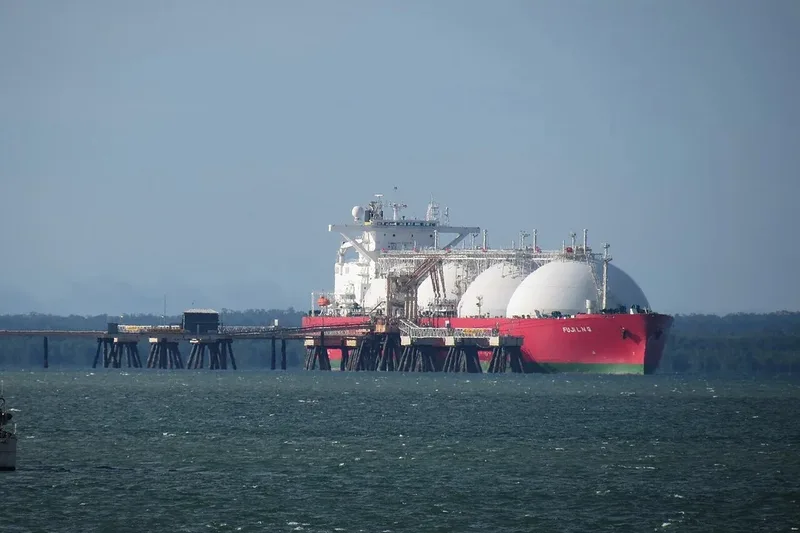
Matarani, in the Arequipa region, is one of the main ports for southern Peru, serving large copper mines such as Cerro Verde and Las Bambas, as well as general cargo.
It is operated by Terminal Internacional del Sur, known as Tisur, under a concession. The regulator Ositrán’s reports describe separate concentrate systems serving berths C and F.
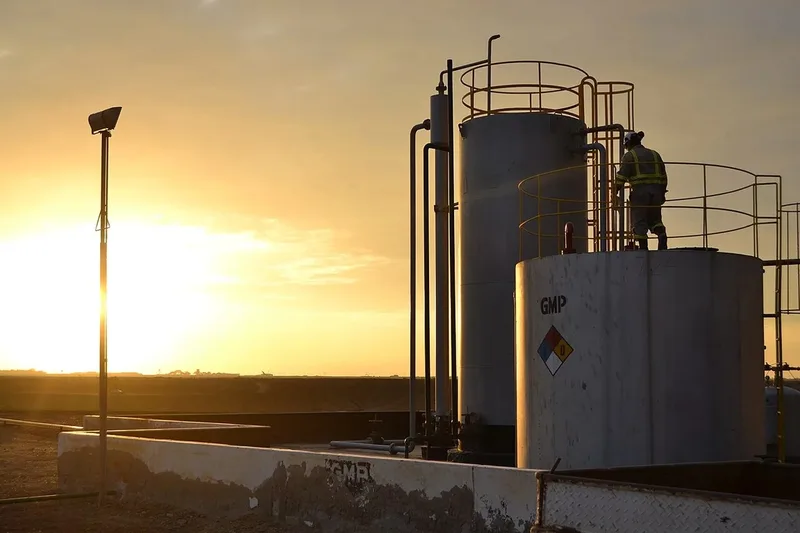
At berth F, the reports describe enclosed static storage of 300,000 tonnes, an 850-metre conveyor and a stated loading capacity of 2,000 tonnes an hour.
Storage and loading capacity serve different purposes. Storage allows mines to deliver concentrate steadily by rail or truck while ships arrive at irregular intervals. Loading capacity determines how quickly a ship can be filled.
At 2,000 tonnes an hour, loading the full stored quantity would take about 150 hours of continuous operation, showing how storage provides a buffer of many shiploads.
As copper production in southern Peru has grown, ports in the region have needed to expand to handle more concentrate.
Mining logistics worldwide, from Chile’s Antofagasta to Australia’s Port Hedland, depend on similar combinations of storage, conveyors and ship loaders.
For students, the case illustrates the importance of matching capacities along a supply chain.
Enclosed storage also matters for the environment and for nearby communities. Concentrates contain fine particles of metals, and keeping them in closed buildings and conveyors reduces dust.
The concession structure gives the operator an incentive to invest when demand grows, since it earns fees on the cargo handled. Regulators monitor whether investment keeps pace with the needs of exporters.
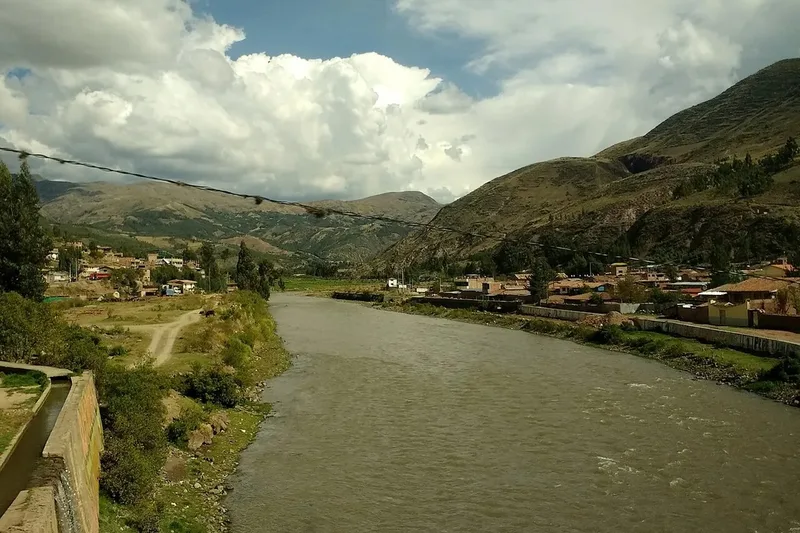
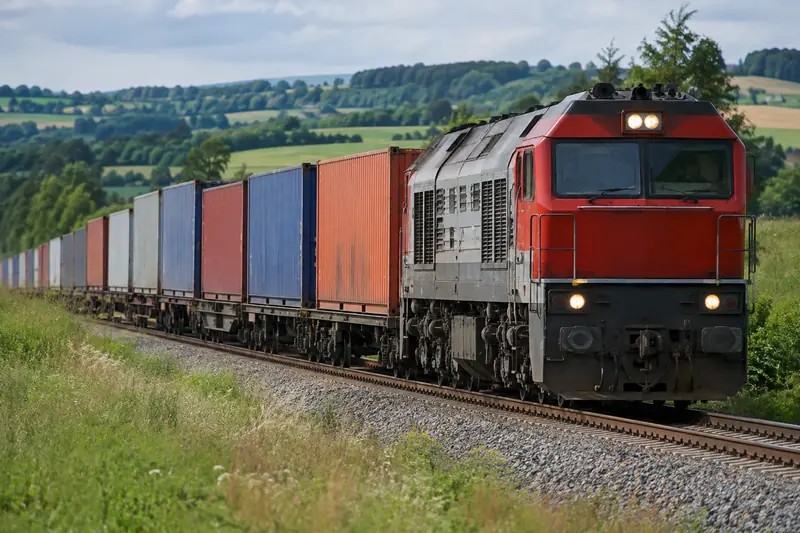
Rail links connect Matarani with the interior, including Arequipa and the highlands, and the efficiency of rail and road transport affects how much storage the port needs.
When mines increase production, port capacity must expand at the same pace. Otherwise, concentrate may pile up at mine sites or ships may wait longer to load, raising costs.
For students, the case highlights the role of buffers in any supply chain. Inventory, whether in a warehouse or a concentrate store, absorbs mismatches between supply and demand, but it also has a cost.
Matarani also handles imports and other cargo, so concentrate facilities must be managed alongside other port activities. Separating concentrate operations into dedicated berths and enclosed systems helps reduce conflicts between different types of cargo.
The scale of storage at berth F, equal to many shiploads, reflects the importance of copper exports to southern Peru’s economy. Copper is Peru’s leading export, and reliable port capacity is essential to getting it to smelters in Asia and elsewhere.
Investments in port storage can therefore be seen as part of the national mining supply chain rather than only as port infrastructure.
Expanding these facilities as production grows will remain a key task for the port and for the mining companies that rely on it. Planning that expansion requires forecasts of mine output, ship sizes and rail capacity, and coordination among the port operator, the mines and the regulator. Without such coordination, a bottleneck at the port could limit the export of copper worth billions of dollars a year.
That coordination is itself a form of risk management, protecting both exporters and the national economy from avoidable disruption in one of the country’s most important supply chains.
Key moments
Ositrán’s terminal performance report described the specialised handling infrastructure.
Later reporting continued to distinguish equipment and storage by berth.
Source: Ositrán terminal reports.
The trade-offs at the heart of the case
Follow the concentrate and the title to it
Callao’s enclosed conveyor changed the final trip to the ship. Matarani’s storage buffers uneven arrivals and departures. Both cases ask where a tonne physically waits, who finances it there and whether the handling arrangement prevents a cost or moves it elsewhere.
Our assessment
I would test an extra storage bay against better scheduling and against reserving space for a particular cargo. Use the distribution of arrival delays and the number of occasions when compatible storage was full. A high average occupancy is ambiguous. It might mean an asset is productive, or that inventory has stopped moving and the next cargo has nowhere to go.
For your seminar, paper or interview
- Q1
Why can an apparently empty storage bay be unavailable for a cargo?
- Q2
When does an extra tonne of inventory burden the mine instead of the terminal?
- Q3
Which sequence of delays would justify adding storage rather than berth equipment?
- Q4
Which observations would verify demand at the time and location the capacity is available?
- Q5
Would a smaller fixed commitment or a guaranteed unit margin give better downside protection?
- Bulk export logistics
- Storage and throughput
- Mining supply chains
- Port concessions
How we would approach it
Simplifying Finance’s opinion, offered as a starting point for debate, not as fact or investment advice.
We think Matarani’s concentrate facilities show how storage and loading speed work together in mining logistics. Large enclosed storage allows mines to deliver steadily while ships arrive irregularly, and fast loading keeps ships moving.
Balance storage and loading
Size each to match ship schedules.
Keep systems enclosed
Protect the environment and nearby residents.
Plan for growth
Expand as southern mines increase output.
What this plan gives up
Large storage provides flexibility but ties up capital and space.
The strongest counter-argument
Some argue mines should build their own dedicated ports.
Metrics to watch
- Tonnes shipped
- Ship turnaround time
Propose your solution
Pick a discussion question and set out what you would do, why, and what it would cost. Strong, well-argued answers are reviewed and published below with your first name and programme.
Published solutions
Loading published solutions…
- Ositrán — Matarani terminal performance report, 2019 ↗
- Ositrán — Matarani terminal performance report, 2022 ↗
- Photo: Puertodematarani by Diegusposesiusdiminutius, CC BY-SA 3.0 (cropped and resized) ↗
Figures are as reported by the companies or cited outlets as of 22 November 2026. Check the source before quoting. Corrections: let us know through the solution form.