What happened
For designated high-season dates in 2024 the Ministry of Culture raised the maximum daily capacity from 4,500 to 5,600 across three circuits. The dates ran from 1 June to 15 October and also included 30 and 31 December. The increase of 1,100 slots was about 24.4% of the regular limit. It describes additional permitted entries on applicable days. Actual admissions, ticket mix and the locations at which visitors congregated require separate records.
A daily cap aggregates people who may visit different circuits at different times. Start with one narrow passage and measure the arrivals and departures around it for several intervals. If a large group pauses at the same viewpoint, congestion can grow while the rest of the site remains quiet. Changing group timing might generate a larger visitor benefit than raising the daily limit. For a financial appraisal, estimate the incremental cost of staff, monitoring and conservation caused by the extra use. For a public appraisal, include effects on existing visitors and residents. Separate gross tourist spending from additional income retained locally once the costs of delivering accommodation, food and transport have been paid.
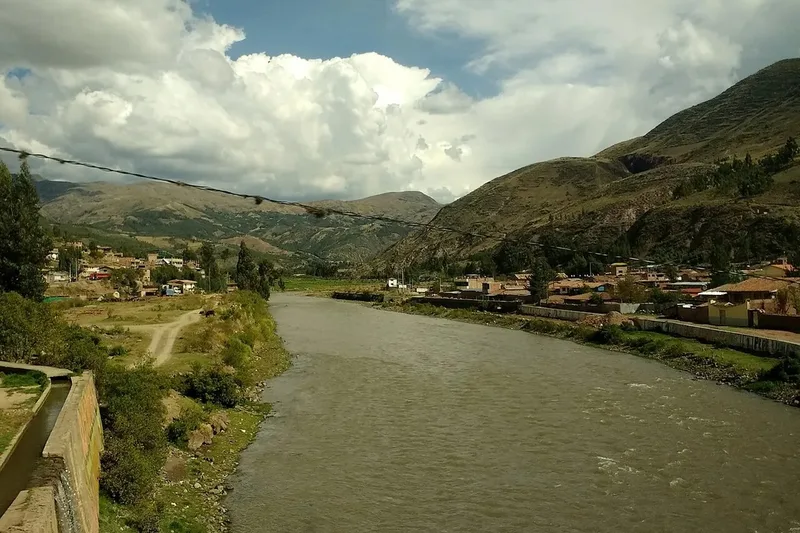
Machu Picchu, the 15th-century Inca citadel in the Cusco region, is Peru’s most famous tourist attraction and a UNESCO World Heritage Site.
To protect the site, Peru’s Ministry of Culture limits daily visitors and organises them into circuits and time slots.
For designated high-season dates in 2024, from 1 June to 15 October and on 30 and 31 December, the ministry raised the maximum daily capacity from 4,500 to 5,600 visitors across three circuits.
The increase of 1,100 slots was about 24 percent of the regular limit. More tickets mean more revenue for the state and more business for hotels, guides, trains and restaurants in the region.
But each additional visitor adds wear on paths and structures, and crowding can reduce the quality of the visit. The site must balance economic and conservation goals.
Ticketing has been a source of tension. Changes to the sales system have at times led to protests by local tourism businesses concerned about access and income.
Other heritage sites worldwide, from Venice to Angkor Wat, have introduced limits, fees or timed entry to manage overtourism.
For students, the case shows how a scarce resource can be allocated through capacity limits and pricing, and why the choice involves trade-offs.
Tourism is a major source of income for the Cusco region, supporting hotels, restaurants, transport operators and guides. Decisions about visitor numbers therefore affect thousands of livelihoods.
Pricing is another tool. Higher ticket prices for foreign visitors, or for peak times, can manage demand and raise revenue for conservation, though they may also reduce access for some travellers.
The site is reached mainly by train to Aguas Calientes and then by bus, and the capacity of these links also limits how many visitors can arrive each day.
Experts on heritage management stress that visitor numbers are only one part of protecting a site. Routes, guides, monitoring and maintenance also shape the impact of tourism.
The 24 percent increase in high-season capacity illustrates how authorities can adjust supply to meet seasonal peaks while keeping a cap in place.
The case connects to a broader debate about sustainable tourism. As global travel grows, popular destinations must decide how many visitors they can accept without damaging the experience or the place itself.
Visitor limits create scarcity, which can lead to resale and informal markets for tickets, so the design of the booking system matters as much as the cap itself.
Balancing access, revenue and conservation is a classic problem of managing a scarce public resource, and Machu Picchu is one of the most visible examples in the world.
Future decisions will depend on conservation monitoring and on how well the booking system works for visitors and local businesses alike.
Finding the right balance will remain one of Peru’s most important tourism policy questions, because the site is both a national symbol and a major source of foreign exchange and regional income.
Key moments
The first designated high-season window had a maximum of 5,600 daily entries.
The higher ceiling also applied on these two dates.
Source: Peru Ministry of Culture.
The trade-offs at the heart of the case
Count the behaviour that changed
A visitor slot at Machu Picchu can shift a person between circuits, days or destinations. An interoperable payment can replace cash, a relay through another wallet or an abandoned purchase. An extra entry in an administrative dataset is evidence of use, while its economic value depends on the alternative.
Our assessment
I would investigate bottlenecks by circuit and time of entry before increasing the overall ceiling again. Compare visitor experience, conservation observations and local overnight stays for otherwise similar days. A quieter circuit can absorb demand while a particular viewpoint is already full. The economic question is whether the next specifically allocated slot creates enough value to cover its local and long-term cost.
For your seminar, paper or interview
- Q1
What did the 24.4% increase measure?
- Q2
Which benefit accrues to the heritage authority and which to nearby businesses?
- Q3
When would redistributing existing slots create more value than selling extra ones?
- Q4
Which pre-intervention trends would support the proposed comparison group?
- Q5
What result would make the estimated effect unsuitable for a financial valuation?
- Tourism management
- Capacity limits
- Heritage conservation
- Pricing
How we would approach it
Simplifying Finance’s opinion, offered as a starting point for debate, not as fact or investment advice.
We think Machu Picchu’s visitor limits are a sensible way to protect a fragile World Heritage site while allowing tourism to support local incomes. Raising capacity in high season increases revenue but must be matched with management to avoid damage and crowding.
Manage circuits
Spread visitors across routes and times.
Use online booking
Reduce queues and resale problems.
Monitor conservation
Track wear on the site.
What this plan gives up
More visitors bring revenue but increase pressure on the site.
The strongest counter-argument
Some argue limits should be lower to protect the ruins.
Metrics to watch
- Daily visitors
- Condition of the site
Propose your solution
Pick a discussion question and set out what you would do, why, and what it would cost. Strong, well-argued answers are reviewed and published below with your first name and programme.
Published solutions
Loading published solutions…
- Ministry of Culture — Machupicchu high-season ticket sales and limits ↗
- Ministry of Culture — Three visitor circuits ↗
- El Peruano — Official visitor-management protocol ↗
- Photo: Machu Picchu, Perú, 2015-07-30, DD 47 by Diego Delso, CC BY-SA 4.0 (cropped and resized) ↗
Figures are as reported by the companies or cited outlets as of 22 November 2026. Check the source before quoting. Corrections: let us know through the solution form.