The idea
Commodity trading houses connect producers and consumers. They buy raw materials such as crude oil, metals, grains and coal, transport and store them, sometimes blend or process them, and sell them to refiners, smelters, mills and food companies. Some of the largest have revenues of hundreds of billions of dollars.

Main types
| Type | Focus | Examples of activity |
|---|---|---|
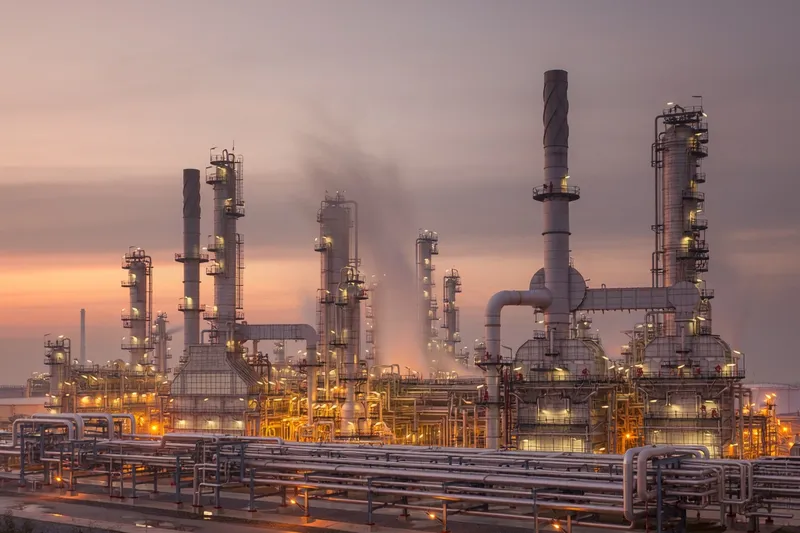
| Energy traders | Crude oil, products, gas, power | Shipping, storage, blending |
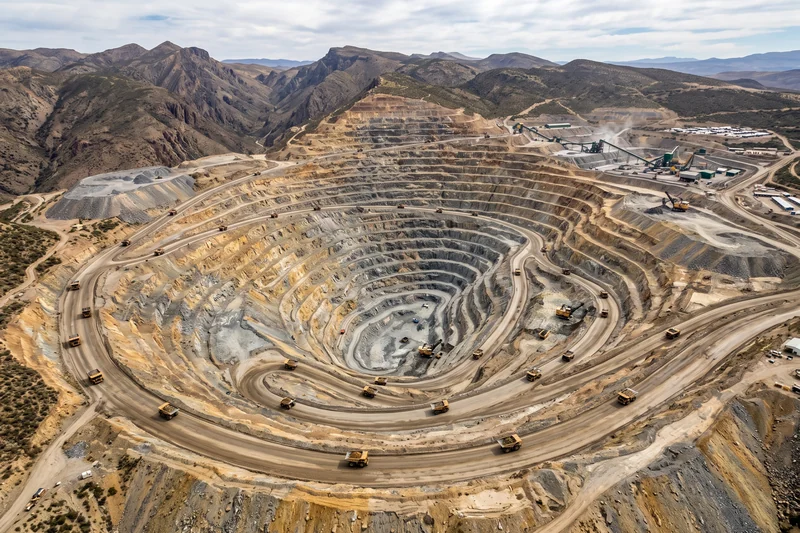
| Metals and mining traders | Copper, zinc, aluminium, coal | Often own mines or smelters |
| Agricultural traders | Grains, oilseeds, sugar, coffee | Silos, ports, processing plants |
| National and producer traders | Arms of oil producers or companies | Marketing own output |
How they make money
Profits come from arbitrage across space, buying where a commodity is cheap and selling where it is dear after transport costs; across time, storing when future prices are higher than spot prices; and across quality, blending or processing. Logistics, scale and information are key advantages.
Hedging
Trading houses typically hedge much of their price exposure using futures and swaps, so they are less exposed to outright price changes than people assume. Their main risks include basis risk, where hedges and physical prices diverge, counterparty risk and operational risk.
Finance
Trading requires large amounts of working capital. Trading houses rely heavily on bank credit, trade finance such as letters of credit, and their own capital. When prices rise sharply, their financing needs rise too, as seen when energy prices spiked in 2022.
Assets and integration
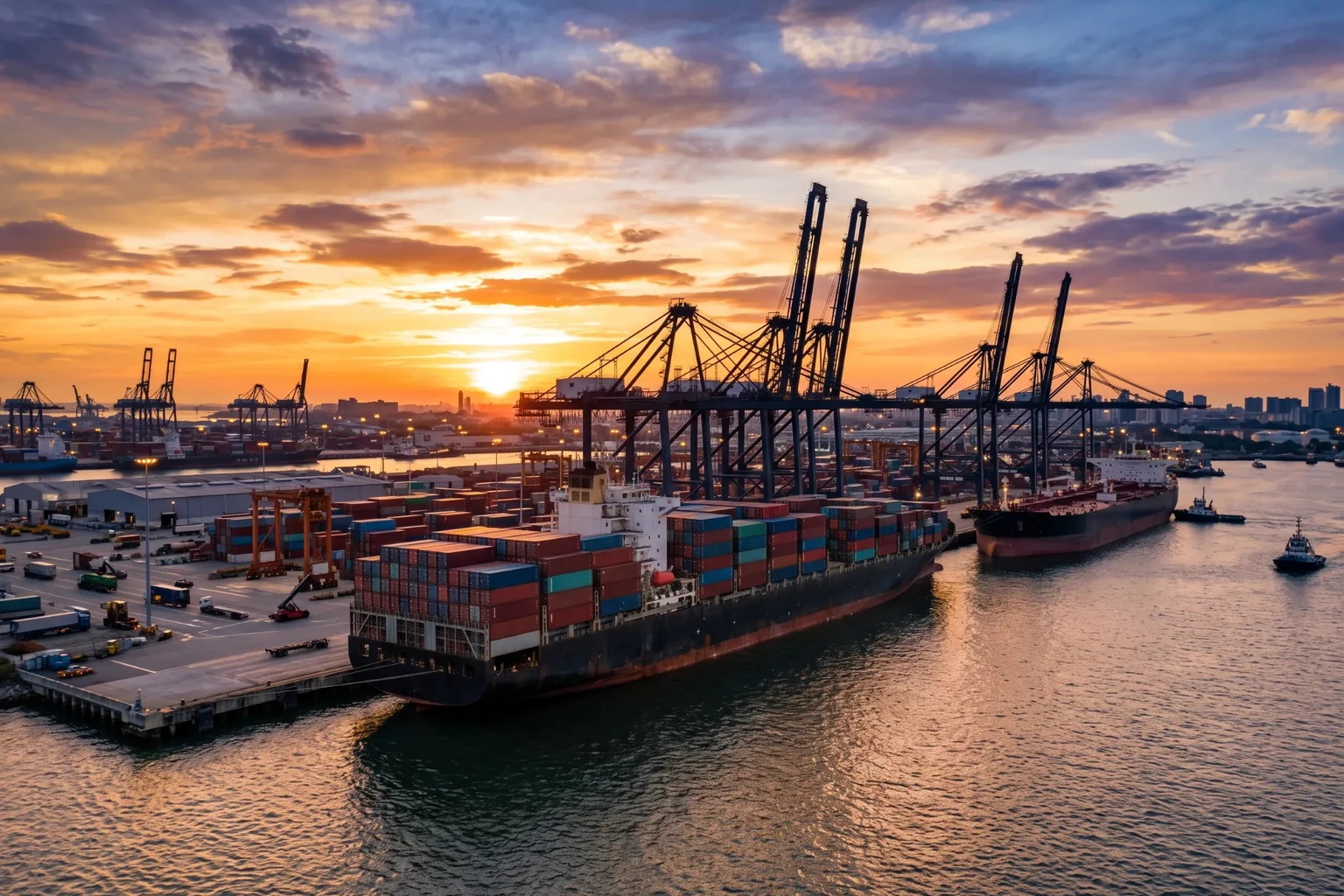
Many traders own or invest in physical assets such as storage terminals, ships, refineries, mines and ports. This gives them more control over supply chains and information.
Profits in volatile years
Volatility and dislocations create arbitrage opportunities. Many large trading houses reported record profits in 2022 when energy markets were disrupted, as price differences between regions widened.
Risks and controversies
Trading houses face risks from sanctions, political instability, fraud in trade finance, and market shocks. Some have faced investigations and fines for bribery or market manipulation in various countries. Transparency has increased but remains lower than for listed companies in other sectors, as many traders are privately owned.
Trading hubs
Geneva, Singapore, London, Houston, Rotterdam and Dubai are major trading hubs, offering banking, shipping services, legal systems and time zone advantages. Hubs compete through regulation, tax and infrastructure.
The Gulf angle
Dubai has grown into a significant commodities hub, supported by the Dubai Multi Commodities Centre free zone, which hosts thousands of companies including traders in metals, energy, agriculture and diamonds. The region’s location between Asia, Europe and Africa, port infrastructure and financial services support trading activity.
Why investors should care
Trading houses influence how efficiently commodities move and how prices in different regions align. Some are listed or issue bonds, giving investors exposure. Their reports and actions can offer insight into supply and demand.
What to check about a trading firm
- What commodities and regions?
- How much is hedged?
- How is it financed?
- What assets does it own?
- What is its compliance record?
Information as an edge
Large trading houses gather information from their own operations: ship movements, storage levels, refinery and mine output, and conversations with producers and buyers worldwide. This helps them spot imbalances early. Today satellite data, ship-tracking and analytics have made some information more widely available, narrowing traditional advantages. Traders now invest heavily in data science and technology to stay ahead, while also relying on long-standing relationships with producers and governments.
Ownership
Many large traders are owned by their partners and employees, which lets them reinvest profits and act quickly, though it means less public disclosure than listed companies.
A realistic scenario
A trader notices diesel is much cheaper in Asia than in Europe after accounting for shipping. It buys cargoes in Singapore, hedges with futures, charters tankers and sells in Rotterdam, earning the price difference minus costs.
Questions to ask yourself
- Where is the arbitrage opportunity?
- What are the logistics costs?
- How is price risk hedged?
- What are the financing needs?
- What regulatory risks exist?
The short version
Commodity trading houses move raw materials around the world, earning from differences in location, time and quality while hedging much price risk. They rely on finance, logistics and information, and hubs such as Geneva, Singapore and Dubai support them.
Illustration: diesel costs 700 dollars a tonne in Singapore and 760 in Rotterdam. If shipping and other costs are 40, a trader earns about 20 a tonne, or 1.2 million on a 60,000-tonne cargo. Hypothetical figures.
Trading houses buy, ship, store and sell oil, metals and crops around the world. They profit mainly from moving goods across time, place and quality, not from betting on prices.
Primary educational references
Bank for International Settlements · Commodity traders and finance ↗
Dubai Multi Commodities Centre ↗
Reviewed November 28, 2026. Examples are hypothetical illustrations. Educational content, not personalised investment, legal or tax advice.