The idea
Zinc and lead are base metals traded on the London Metal Exchange. They receive less attention than copper or aluminium but are essential in construction, vehicles and energy storage. Many mines produce both from the same ore.

Main uses
| Metal | Main use | Linked to |
|---|---|---|
| Zinc | Galvanising steel against corrosion | Construction, cars, infrastructure |
| Zinc | Die-casting and brass | Manufacturing |
| Lead | Lead-acid batteries | Vehicles, backup power |
| Lead | Radiation shielding, cable sheathing | Industrial uses |
Zinc and galvanising
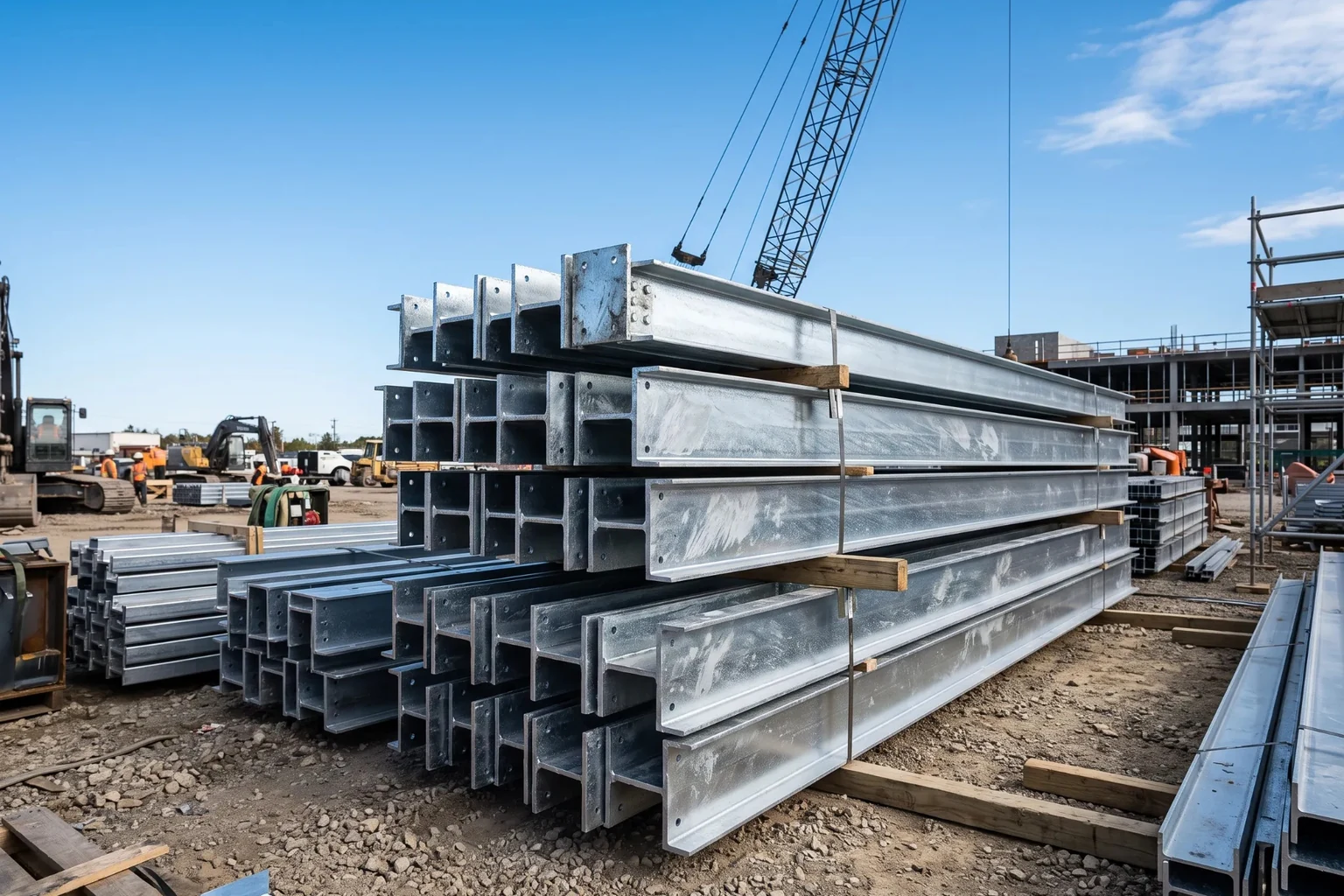
About half of zinc is used to coat steel, a process called galvanising, which prevents rust. Demand therefore follows steel use in buildings, bridges, cars and appliances. China is the largest consumer, so its construction cycle strongly affects zinc demand.
Lead and batteries
Most lead goes into lead-acid batteries for vehicle starting, lighting and ignition, as well as backup power for telecoms and data centres. Electric vehicles still use small lead-acid batteries for auxiliary systems, though some are switching to lithium-ion.
Recycling
Lead is one of the most recycled materials. In many developed countries, almost all lead-acid batteries are recycled, and secondary lead from recycling makes up more than half of global lead supply. Zinc is also recycled, though less completely.
Supply
Major zinc and lead producers include China, Australia, Peru, India and the United States. Mine supply depends on new projects, ore grades and closures. Smelters convert concentrate into metal and earn treatment charges, which rise when concentrate is plentiful and fall when it is scarce.
Treatment charges as a signal
Treatment charges are a useful indicator. Low charges suggest tight concentrate supply, which can lead to higher metal prices; high charges suggest ample supply. Annual benchmark negotiations between miners and smelters are watched closely.
Price drivers
Prices respond to construction and manufacturing activity, especially in China, mine disruptions, smelter closures, energy costs and exchange inventories. In 2022, high European energy prices forced some zinc smelters to cut output, tightening supply.
Environmental issues
Lead is toxic, and its use has been phased out of petrol, paint and many consumer products. Strict rules govern mining, smelting and recycling. Zinc smelting is energy-intensive, linking costs to power prices.
How it trades
Both metals have futures contracts on the London Metal Exchange and the Shanghai Futures Exchange. Exchange inventories and the spread between near and later contracts give clues about tightness.
The Gulf angle
Gulf countries are large consumers of galvanised steel for construction and infrastructure. Regional demand for zinc therefore links to building activity, while global prices are set mainly by Chinese demand and international mine and smelter supply.
What to watch
- Chinese construction and steel output
- Treatment charges
- Mine and smelter disruptions
- Energy costs for smelters
- LME and Shanghai inventories
Mine life and new projects
Several large zinc mines have closed over the past decades as their ore ran out, and new projects take many years to develop. Ore grades at existing mines tend to decline over time, raising costs. When prices are low, companies delay new projects, which can lead to tighter supply years later. This long lead time is one reason metal markets move in cycles of shortage and surplus. Analysts track project pipelines and expected closures to judge whether supply will keep up with demand.
By-products
Zinc and lead mining also produces silver and other metals as by-products. Revenue from these can make a mine profitable even when zinc or lead prices are weak, affecting how much supply comes to market and how quickly output responds to price changes.
A realistic scenario
A sharp rise in European power prices makes several zinc smelters unprofitable. They cut production, refined zinc inventories fall and prices rise even though mine output is unchanged. When energy costs ease, smelters restart and prices soften.
Questions to ask yourself
- What drives demand for this metal?
- Is supply tight at the mine or smelter level?
- How important is China?
- What role does recycling play?
- How do energy costs affect production?
The short version
Zinc mainly protects steel through galvanising, and lead mainly goes into batteries. They are often mined together, recycling is important, especially for lead, and prices follow construction, manufacturing, mine and smelter supply and energy costs.
Illustration: if galvanising takes about half of zinc demand and Chinese construction falls 10%, global zinc demand could drop by a few percent, enough to move prices noticeably in a balanced market. Hypothetical figures.
Zinc protects steel from rust, and lead powers most car starter batteries. They are often mined together, and their prices follow construction, manufacturing and mine supply.
Primary educational references
International Lead and Zinc Study Group ↗
London Metal Exchange · Zinc and lead ↗
Reviewed November 28, 2026. Examples are hypothetical illustrations. Educational content, not personalised investment, legal or tax advice.