Jewellery, festivals and the gold calendar
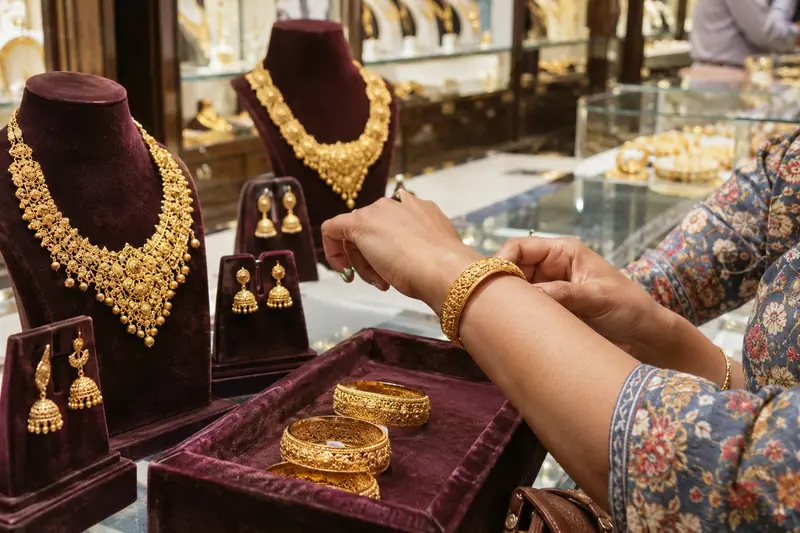
A large share of gold demand is physical: jewellery, bars and coins bought mainly in India, China and the Middle East. This demand is price-sensitive and seasonal, and it often decides how deep a sell-off goes.
The physical gold calendar
| When | Event | Effect |
|---|---|---|
| Jan–Feb | Chinese New Year | Gift buying and restocking in China |
| Apr–May | Akshaya Tritiya (India) | An auspicious day for buying gold |
| Jun–Jul | Monsoon season (India) | Quieter months; rural incomes depend on rains |
| Oct–Nov | Dhanteras and Diwali (India) | The peak buying season of the year |
| Nov–Feb | Indian wedding season | Strong jewellery demand |
What high prices do
Buyers wait
Jewellery buyers buy fewer grams when prices are high, or switch to lighter, lower-karat pieces.
Old gold comes back
People sell or exchange old jewellery, adding recycled supply.
Discounts appear
Indian and Chinese dealers offer discounts to London prices when demand is weak — a useful signal.
Dips get bought
When prices fall, physical buyers often step in, which can slow a sell-off.
Policy matters too
India imports almost all its gold, so import duties move demand. India cut its gold import duty sharply in 2024, which lifted official imports and reduced smuggling. China’s rules on bank gold sales and import quotas play a similar role.
Seasonal patterns are real but weak. They can help explain a move; they are not enough to trade on alone.
- Watch Indian and Chinese premiums or discounts to London.
- Expect firmer physical demand into Diwali and Chinese New Year.
- Do not trade seasonality on its own — rates and the dollar usually matter more.
- World Gold Council — Gold Demand Trends full year 2025 ↗
- investingLive — Central bank buying jumps, high prices hit jewellery demand ↗
- Wikipedia — Akshaya Tritiya ↗
- Wikipedia — Dhanteras ↗
Educational content, not investment or trading advice. Trading leveraged products carries a high risk of losing money.