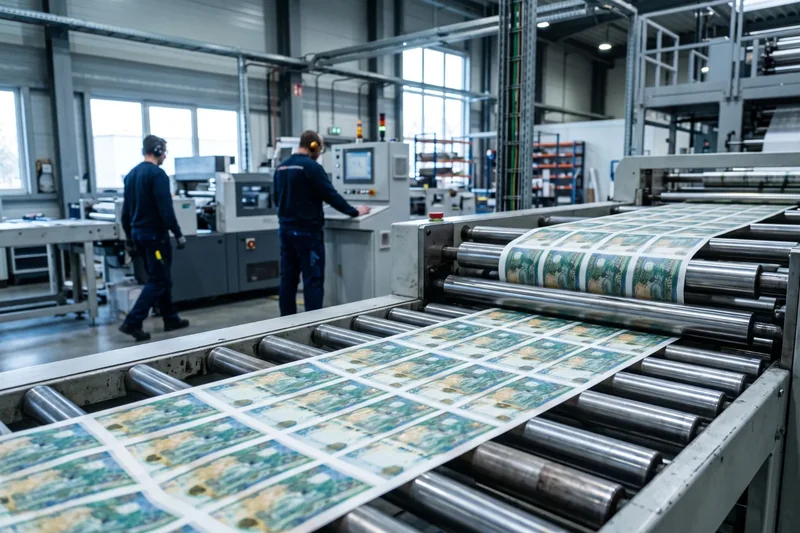
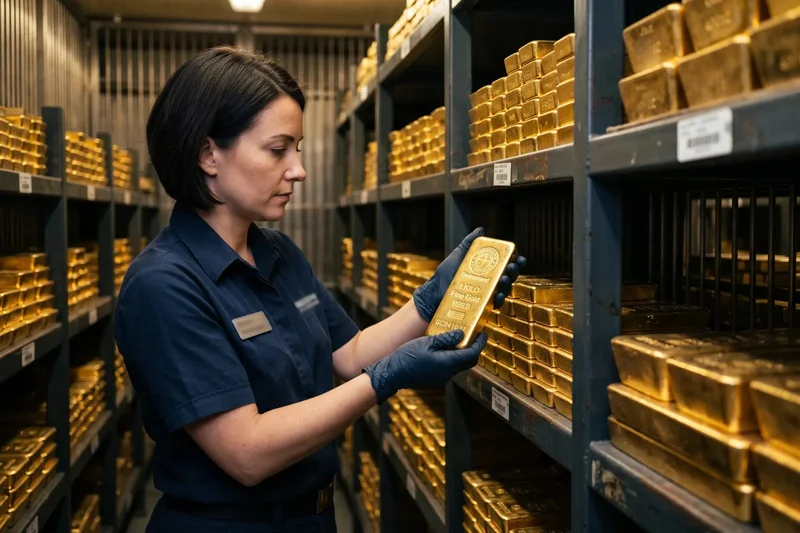
Central banks: the biggest buyers in the market
Since 2022, central banks have bought gold at the fastest pace in decades. They buy for the long term, they buy on dips, and they are not trying to make a trading profit. That makes them one of the most important supports under the gold price.
Why they buy
Less reliance on the dollar
After Russia’s reserves were frozen in 2022, many countries wanted assets no other government can block.
No default risk
Gold is nobody’s liability. It cannot be printed or defaulted on.
Diversification
Gold tends to hold value when currencies and bonds fall.
Long horizon
Central banks buy over years, so short-term price moves matter less to them.
Who to watch
| Buyer | What to know |
|---|---|
| People’s Bank of China | Reports holdings monthly (around the 7th). Pauses and restarts make headlines. |
| National Bank of Poland | One of the largest buyers in recent years, open about its targets. |
| Reserve Bank of India | Steady buyer that has also brought gold home from overseas vaults. |
| Turkey, Kazakhstan, Uzbekistan | Big buyers and sellers, often for local reasons. |
| United States | Holds about 8,100 tonnes, the world’s largest reserve, but does not trade it. |
How it shows up in prices
Central bank buying is slow and steady, so it rarely causes a sudden spike. Instead it sets a floor: when prices drop, buyers appear. In Q3 2026 central banks bought more as prices fell, a classic “buy the dip” pattern.
Watch the World Gold Council’s quarterly Gold Demand Trends report and monthly central bank statistics. A sharp slowdown in official buying would remove one of gold’s main supports.
- Read the WGC’s quarterly report when it lands (late Jan, Apr, Jul, Oct).
- Watch China’s monthly reserve figure around the 7th of each month.
- Remember most central bank buying is unreported — the official numbers understate it.
- World Gold Council — Gold Demand Trends Q3 2026: Central banks ↗
- investingLive — Central bank gold buying jumps 42% in Q3 ↗
- Wikipedia — Gold reserve ↗
Educational content, not investment or trading advice. Trading leveraged products carries a high risk of losing money.