Natural gas trading for complete beginners
Natural gas is quoted in dollars per million British thermal units (MMBtu) in the US and euros per megawatt-hour in Europe. It is one of the most volatile markets a retail trader can access. Start with the basics.
Ways to trade gas
CFDs
Most retail traders trade “NATGAS” (US Henry Hub) through a broker, with leverage.
Futures
Henry Hub futures are 10,000 MMBtu; smaller E-mini and Micro contracts exist.
Gas funds
Funds that hold gas futures — often lose value over time because of roll costs.
Shares
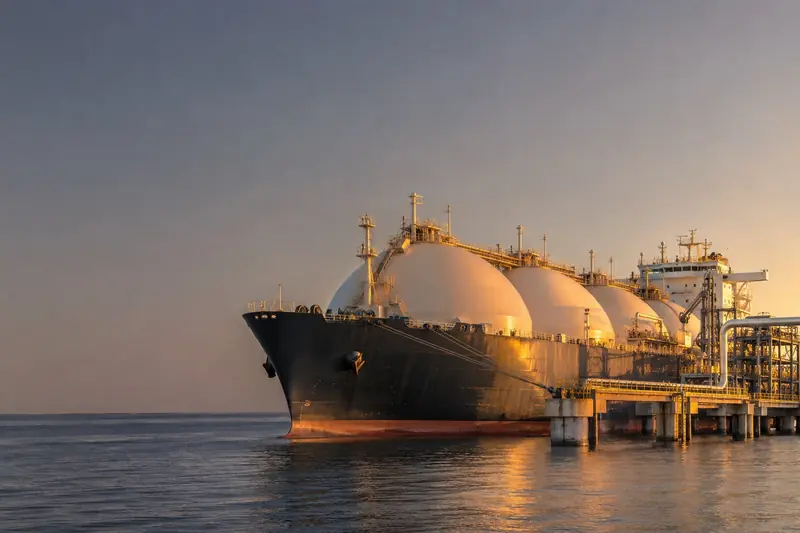
Gas producers and LNG exporters.
One gas trade from start to finish
You buy 1,000 MMBtu of US gas at $3.20 with a stop at $3.05 and a target at $3.50.
If gas rises to $3.50: profit = $0.30 × 1,000 = $300.
If gas falls to $3.05: loss = $0.15 × 1,000 = $150.
Gas can move 15–30 cents in a day — that is 5–10%.
Beginner rules
Check the forecast
Weather moves gas more than anything; know the forecast before you trade.
Know your size
Check how many MMBtu one lot is on your platform.
Use stops
Gas gaps on weather model changes and storage surprises.
Avoid holding long-term
Gas futures and funds lose value from rolling in contango.
- Learn MMBtu and Henry Hub first.
- Check weather forecasts daily.
- Always use a stop-loss.
Educational content, not investment or trading advice. Trading leveraged products carries a high risk of losing money.