What happened
In December 2023 Antofagasta approved the second concentrator. It described average additional production over the first ten years of roughly 170,000 tonnes of copper equivalent a year, including 144,000 tonnes of copper, 130,000 ounces of gold and 3,500 tonnes of molybdenum. Those are forward-looking project estimates at approval. A reader should never add the copper-equivalent total to the physical copper component or treat the entire total as copper sold at the spot price.
Build three revenue lines using physical quantities. Convert ounces and tonnes consistently, apply the relevant realised prices and deduct the payments retained by processors or counterparties. Some costs are shared across all metals, making the allocation of costs between copper and by-products a reporting judgment. The project cash flow should be invariant to that allocation if the same revenues and costs are counted once.
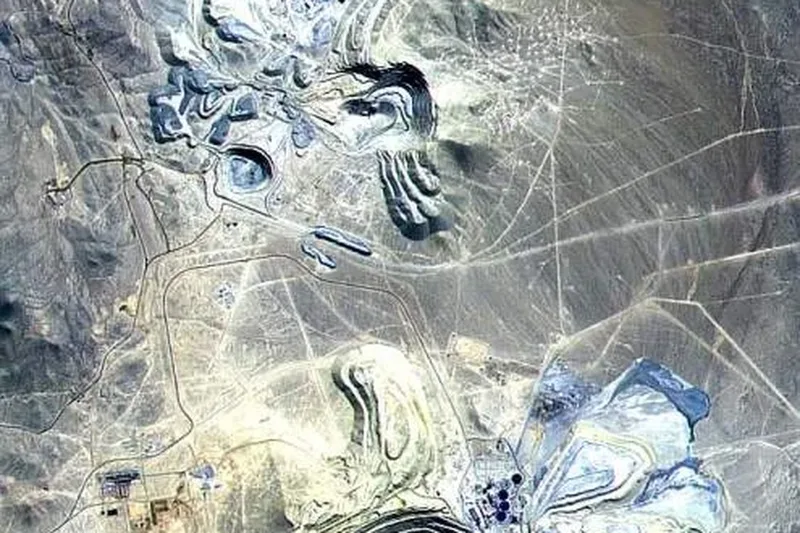
Centinela, in Chile’s Antofagasta region, is one of Antofagasta plc’s main copper mines, owned with Japan’s Marubeni. The district has an ore reserve of about two billion tonnes.
In December 2023 Antofagasta approved a second concentrator at an estimated cost of US$4.4 billion. The new plant was designed to process 95,000 tonnes of ore a day, using high-pressure grinding rolls to reduce energy consumption.
The company described average additional production over the first ten years of about 170,000 tonnes of copper equivalent a year: 144,000 tonnes of copper, 130,000 ounces of gold and 3,500 tonnes of molybdenum. First copper was expected in 2027.
Copper equivalent converts other metals into copper at assumed relative prices. If gold prices rise relative to copper, the same physical output represents more copper-equivalent tonnes, and vice versa.
That is why the composition of output matters. Gold and molybdenum provide by-product revenue that lowers the net cost of producing copper.
Funding combined direct contributions from Antofagasta and Marubeni, covering about 40 percent of the total, with project finance from lenders for the rest.
The project uses raw seawater and renewable electricity, reflecting the growing importance of water and energy in Chilean mining.
Antofagasta said the expansion would make Centinela one of the world’s top 15 copper mines by output.
Brownfield projects, built at existing operations, usually carry lower risk than greenfield projects in new locations. They can use existing roads, power lines, ports and workforce, and the ore body is already well understood.
Even so, large projects face cost and schedule risks. Rising prices for equipment, labour and energy can increase costs, while delays postpone revenue.
Project finance means that lenders are repaid mainly from the project’s own cash flows, rather than from the parent company’s balance sheet. Lenders therefore study production forecasts, prices and costs closely.
Antofagasta expected the expansion to lower net cash costs at Centinela, placing the district in the lowest-cost quarter of the industry.
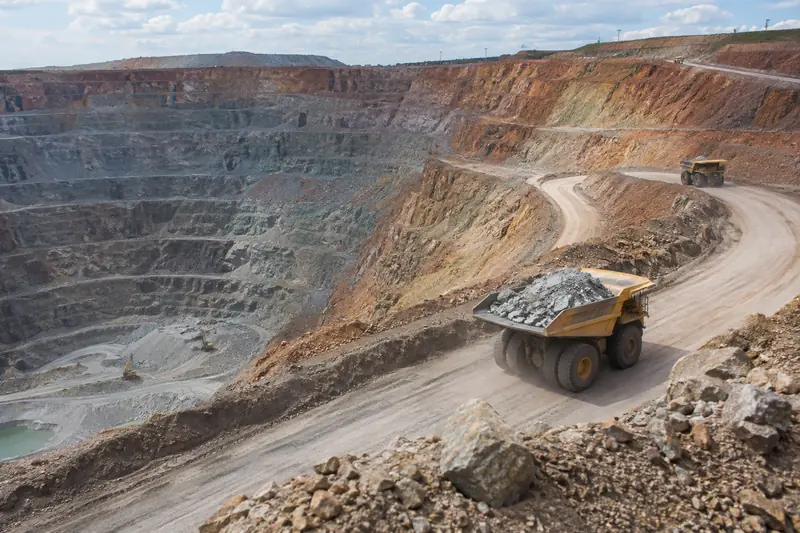
The second concentrator will initially take ore from the Esperanza Sur pit and later from the Encuentro pit, with a planned mine life of about 36 years.
For investors, the key questions are whether construction stays on budget, whether production reaches the planned levels and how metal prices evolve.
Copper prices depend heavily on demand from China and on long-term growth in electrification, which affects all such projects.
The project is one of the largest private investments in Chilean mining in recent years.
For students, the case shows why it is important to understand how headline production figures are calculated before using them in valuation.
Gold’s share of revenue can be significant, so changes in the gold price alter the project’s value even if copper prices do not move.
Construction began in early 2024 after definitive project finance documents were signed, and the project’s progress is reported in Antofagasta’s regular results.
Comparing actual spending with the US$4.4 billion budget will be one of the clearest tests of the investment decision.
Shareholders will also watch whether the new plant reaches its design throughput on schedule after first copper.
Those results will determine whether the expansion delivers the returns the board expected when it approved the project in 2023.
Lenders, too, will follow progress closely, since their repayments depend on the project performing as planned.
Any delays or cost increases would be disclosed to the market and could affect Antofagasta’s share price.
For now, the project is a central part of the company’s growth plans.
It also illustrates how Chilean miners are expanding at existing sites rather than opening entirely new mines.
Key moments
The board approves the second concentrator.
The company’s approval case presents average copper and by-product output on this basis.
Source: Antofagasta via Engineering News. The split is simple arithmetic from the stated 40% share.
The trade-offs at the heart of the case
Our assessment
I would require a downside case in which copper weakens while precious-metal prices hold up, then reverse the shocks. This exposes any dependence on by-product credits that is hidden inside a single copper cost figure. Stage expansion decisions against measured ore quality, commissioning performance and the remaining spending commitment. A counterargument is that a long mine life makes early volatility unimportant. That view requires enough committed liquidity to reach the later years without surrendering the project’s upside to new financiers.
For your seminar, paper or interview
- Q1
What metal prices are embedded in the equivalent-tonnage convention?
- Q2
How could reported copper unit cost fall without any operating improvement?
- Q3
Which debt covenant would be most vulnerable during commissioning?
- Q4
Would paying to accelerate construction recover a full year of receipts or only change their timing?
- Copper equivalent
- By-product credits
- Project finance
- Brownfield expansion
How we would approach it
Simplifying Finance’s opinion, offered as a starting point for debate, not as fact or investment advice.
We think Antofagasta’s Centinela expansion makes sense because it uses existing infrastructure and a large ore reserve. But copper-equivalent figures mix copper, gold and molybdenum at assumed prices, so investors should look at each metal separately when judging the project’s value.
Separate the metals
Value copper, gold and molybdenum individually.
Stress-test prices
Run scenarios for each commodity.
Control construction
Deliver on schedule for 2027.
What this plan gives up
Brownfield projects reduce risk but still face price uncertainty.
The strongest counter-argument
Some argue copper-equivalent figures can flatter project economics.
Metrics to watch
- Construction progress
- Copper and gold prices
Propose your solution
Pick a discussion question and set out what you would do, why, and what it would cost. Strong, well-argued answers are reviewed and published below with your first name and programme.
Published solutions
Loading published solutions…
- Antofagasta · Board approval and production assumptions ↗
- Antofagasta · Annual Report 2023, Centinela expansion ↗
- Mining.com • Antofagasta goes ahead with $4.4 billion Centinela expansion ↗
- Mining Weekly • Centinela second concentrator project, Chile ↗
- Engineering News • Antofagasta to invest $4.4bn in Centinela expansion ↗
- Photo: Centinela mining district open pits by Alexander Gerst, CC BY-SA 2.0 (cropped and resized) ↗
Figures are as reported by the companies or cited outlets as of 22 November 2026. Check the source before quoting. Corrections: let us know through the solution form.