What happened
Antamina reports that SENACE approved the modification to its environmental impact assessment on 15 February 2024, enabling an extension of the mine’s life to 2036. The modifications include works involving the open pit, waste facilities and tailings infrastructure. Approval establishes an important condition for continued operations. It does not fix future metal prices, guarantee production in each year or eliminate later expenditure.
Set out two calendars. Under the earlier plan some equipment would cease operating and closure expenditure would fall due sooner. Under the extension, the owner spends on mine development and environmental capacity, uses existing assets for longer and eventually pays closure costs on a different schedule. Deferring a payment has value, but the entire face amount of a deferred obligation is not a permanent saving. Compare operating contributions after allowing for deeper ore and longer haulage.
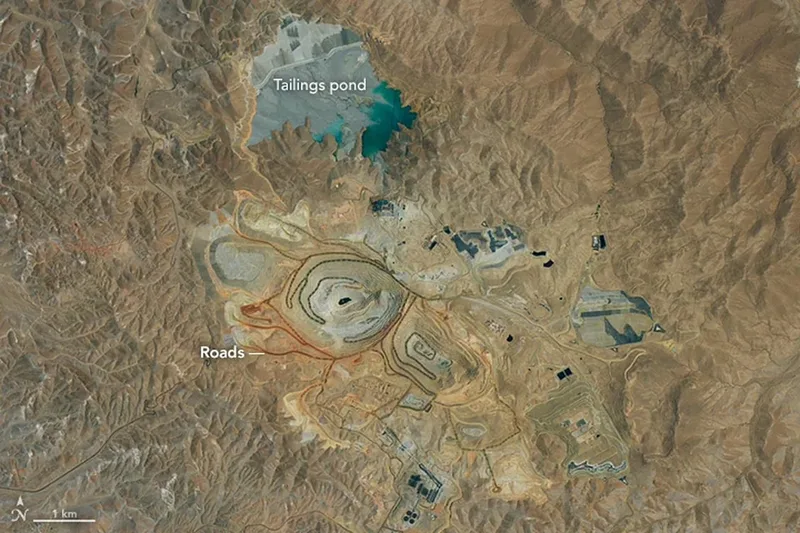
Antamina is one of the world’s largest copper and zinc mines, located in the Andes about 270 kilometres north of Lima at an altitude of about 4,300 metres. It began production in 2001.
The mine is operated by Compañía Minera Antamina, owned by BHP (33.75 percent), Glencore (33.75 percent), Teck Resources (22.5 percent) and Mitsubishi Corporation (10 percent).
At the time of its development, Antamina was Peru’s largest investment project, at about US$2.3 billion. It owns a concentrate pipeline and port facilities on the coast.
The mine’s life had been expected to end around 2028. In February 2024, Peru’s environmental certification agency, SENACE, approved a modification to its environmental impact assessment, enabling operations to continue until 2036.
The modification covers changes to the open pit, waste facilities and tailings infrastructure. Reports have described the associated investment as about US$2 billion.
Antamina has said it expects copper production to rise to about 450,000 tonnes in 2026, before stabilising around 400,000 tonnes a year.
Extending a mine’s life changes the timing of closure costs. Closure, rehabilitation and long-term monitoring are large obligations that companies must provide for in their accounts. Deferring them has value but does not eliminate them.
Mine life extensions are common worldwide, as companies find that developing additional ore at existing sites is often cheaper and faster than starting new mines.
In BHP’s 2021 financial year, Antamina’s copper production was 144,000 tonnes and its zinc production 145,000 tonnes, after higher throughput and zinc grades, showing how output can shift between metals depending on the ore mined in a given year.
Because the mine produces both copper and zinc, its revenue depends on two metal prices. The proportions vary with the ore types mined, which complicates forecasting.
The extension also illustrates the value of existing infrastructure. Antamina already has a concentrator, a pipeline to the coast and port facilities. Extending the mine’s life spreads the value of those assets over more years of production.
For the owners, each additional year of production generates cash flow that can be used for dividends, debt reduction or new investments. For Peru, it means continued tax revenue and employment in the Áncash region.
The case also illustrates a common accounting point: closure costs are recognised as provisions on the balance sheet and must be updated when a mine plan changes.
Peru is one of the world’s largest copper producers, and mining accounts for a large share of its exports. Decisions about how mines are financed, expanded and operated therefore matter for national income, government revenue and regional development, not only for the companies involved.
Copper demand is expected to rise with electric vehicles, renewable energy and power grids, which increases the importance of reliable new supply. At the same time, mining projects in Peru and elsewhere face growing expectations from communities and regulators on water, land and benefit-sharing.
For a finance student, the case is a reminder to separate the headline figures in announcements from the cash flows that determine value: who pays, when, and what is received in return.
The investment decision for an extension is therefore a comparison between two futures: one in which the mine closes around 2028 and one in which it continues to 2036, each with its own schedule of revenue, capital spending and closure costs.
Only the difference between those futures measures the value of the extension.
That comparison is the core of sound capital budgeting.
Key moments
SENACE approved the environmental assessment amendment.
The revised operating horizon identified in Antamina’s report.
Source: NS Energy; BHP Form 20-F.
The trade-offs at the heart of the case
Two rights over future mining cash flows
Antamina secured an environmental amendment supporting a longer operating life. Newmont deferred a full-funding decision at Yanacocha. One decision extended the horizon in which value could be earned. The other preserved discretion over whether to commit capital in the first place.
Our assessment
I would insist on a closure-cost reconciliation and a dated schedule of compliance work before counting the additional operating years. A late-life project can qualify even at lower production if it needs little new infrastructure. It can also disappoint if the next stage commits substantial irreversible capital ahead of uncertain ore. Stage the commitments around evidence that changes that trade-off.
For your seminar, paper or interview
- Q1
How would you value the postponement of closure expenditure?
- Q2
Which sunk infrastructure still entails an incremental cost?
- Q3
What evidence would cause the partners to leave part of the permitted life unused?
- Q4
Would paying to accelerate construction recover a full year of receipts or only change their timing?
- Mine life extension
- Closure liabilities
- Environmental permitting
- Joint ventures
How we would approach it
Simplifying Finance’s opinion, offered as a starting point for debate, not as fact or investment advice.
We think extending Antamina’s life to 2036 makes economic sense for a world-class deposit with existing infrastructure. The value lies not only in extra years of production but in deferring closure costs, though those costs remain and must be planned for.
Fund closure properly
Keep provisions for eventual closure.
Manage tailings safely
Expand tailings capacity to high standards.
Engage communities
Maintain local support over a longer life.
What this plan gives up
Extending life adds revenue but also extends environmental and social obligations.
The strongest counter-argument
Some argue the region should plan now for the economy after mining ends.
Metrics to watch
- Annual copper and zinc output
- Closure provision
Propose your solution
Pick a discussion question and set out what you would do, why, and what it would cost. Strong, well-argued answers are reviewed and published below with your first name and programme.
Published solutions
Loading published solutions…
- Antamina — 2024 sustainability report ↗
- El Peruano — Antamina’s operating-life extension ↗
- BHP • Form 20-F FY2021 (Antamina) ↗
- NS Energy • Antamina copper and zinc mine ↗
- Mining Technology via Yahoo • Antamina forecasts rise in copper output ↗
- Photo: Antamina Mine Tailings Pond by Xtremizta, CC BY-SA 2.0 (cropped and resized) ↗
Figures are as reported by the companies or cited outlets as of 22 November 2026. Check the source before quoting. Corrections: let us know through the solution form.