What happened
Chinalco’s description of the June 2018 start of expansion works set out a plan to lift daily plant capacity from 117,200 to 170,000 tonnes. The difference is 52,800 tonnes of feed per day, about 45% of the earlier rating. The company presented those figures as a project objective. Multiplying the increase by the copper price omits the decisive conversion from ore into payable concentrate.
Use the mine plan to identify the next tonnes that will actually reach the plant. Their grade and hardness can differ materially from the average of existing feed. Harder rock can occupy grinding time that might otherwise have processed higher-value material. Even if throughput rises, recovery can change as residence times and the mix of feed change. Lower unit processing costs can therefore coexist with less incremental copper than the capacity comparison suggests.
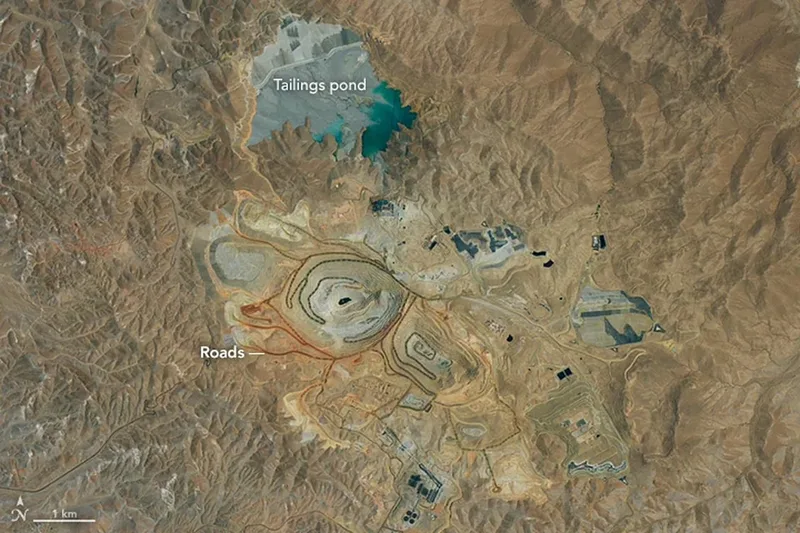
Toromocho is a large open-pit copper mine in the Junín region of central Peru, operated by Minera Chinalco Perú, a subsidiary of the Aluminum Corporation of China.
The mine is among Peru’s five largest copper producers, producing about 244,712 tonnes of copper in 2022.
Chinalco announced an expansion in 2018 to raise plant capacity from about 117,000 tonnes a day to 170,000 tonnes a day. But delays in official permits and the COVID-19 pandemic slowed the project.
In 2023 the Ministry of Energy and Mines approved the second phase. The total investment for both phases was put at US$1.355 billion. Chinalco’s president said the expansion would add about 40,000 tonnes of contained copper a year, roughly a 20 percent increase.
Later, Chinalco announced a plan to invest more than US$700 million over three years to overhaul the mine, including adding molybdenum recovery for the first time and new stockpiling arrangements, as part of a broader investment commitment.
The difference between the increase in tonnes processed, about 45 percent, and the expected increase in copper, about 20 percent, illustrates why headline capacity figures can mislead. Grade, hardness and recovery determine how much metal each extra tonne produces.
Brownfield expansions, which add capacity to existing mines, are generally cheaper and faster than new mines because they use existing infrastructure, permits and workforce.
Mining companies worldwide face similar choices between expanding existing operations and developing new deposits as copper demand grows with electrification.
The expansion’s timeline shows the cost of delay. Announced in 2018, approved in stages and expected to complete in 2024, it took about six years from announcement to completion. During that period, costs, copper prices and the mine plan all changed.
The second phase used upgrades to existing equipment, new installations and debottlenecking to raise capacity, a typical approach for brownfield expansions.
Chinalco’s later addition of molybdenum recovery shows another way to increase value: extracting a by-product that was previously lost. Separating copper-only ore from copper-molybdenum ore allows the plant to recover both metals.
For students, the case highlights the difference between capacity and output. A 45 percent increase in tonnes processed does not mean a 45 percent increase in copper, because the extra ore may have a lower grade or be harder to grind.
It also illustrates the importance of permitting in mining. Even a project at an existing mine requires approvals, and delays can add years and costs.
Toromocho is also notable for its history: developing the mine required relocating the town of Morococha, one of the largest resettlement programmes associated with a mine in Peru, which shows how mining investment can affect entire communities.
Peru is one of the world’s largest copper producers, and mining accounts for a large share of its exports. Decisions about how mines are financed, expanded and operated therefore matter for national income, government revenue and regional development, not only for the companies involved.
Copper demand is expected to rise with electric vehicles, renewable energy and power grids, which increases the importance of reliable new supply. At the same time, mining projects in Peru and elsewhere face growing expectations from communities and regulators on water, land and benefit-sharing.
For a finance student, the case is a reminder to separate the headline figures in announcements from the cash flows that determine value: who pays, when, and what is received in return.
The expansion’s ultimate return will depend on how much copper and molybdenum the larger plant actually produces over the remaining life of the mine, and at what cost per pound. Those figures, rather than the headline capacity, should guide any assessment of the investment.
Investors following the project should watch reported throughput, recovery and unit costs after completion.
Its performance after 2024 will show whether the long wait paid off.
Key moments
The company’s stated plant rating was 117,200 tonnes per day.
The expansion launch set a target of 170,000 tonnes per day.
Source: Chinalco project description cited in the case.
The trade-offs at the heart of the case
The next tonne through a full mill
Toromocho planned to add process capacity. At Constancia, Pampacancha offered different material for an existing mill. In the first case the marginal tonne may be extra feed. In the second it may replace other feed with its own economic value.
For your seminar, paper or interview
- Q1
What sample of ore should represent the expansion case?
- Q2
Can more throughput lower the return on a marginal tonne?
- Q3
What must happen downstream before the extra rating becomes incremental cash?
- Q4
Which observations would verify demand at the time and location the capacity is available?
- Q5
Would a smaller fixed commitment or a guaranteed unit margin give better downside protection?
- Brownfield expansion
- Throughput economics
- Mine planning
- Permitting
How we would approach it
Simplifying Finance’s opinion, offered as a starting point for debate, not as fact or investment advice.
We think the Toromocho expansion was a sensible use of existing infrastructure, but its value depends on converting extra tonnes into payable copper. Delays in permits and the pandemic show how long brownfield projects can take.
Plan the ore sequence
Know which tonnes will feed the plant.
Track recovery
Measure copper recovered, not just tonnes milled.
Secure permits early
Avoid delays in construction approvals.
What this plan gives up
Expanding an existing mine is cheaper than building new, but gains may be smaller than headline capacity suggests.
The strongest counter-argument
Some argue resources should go to new deposits with higher grades.
Metrics to watch
- Daily throughput
- Copper recovery rate
Propose your solution
Pick a discussion question and set out what you would do, why, and what it would cost. Strong, well-argued answers are reviewed and published below with your first name and programme.
Published solutions
Loading published solutions…
- Chinalco Perú — Toromocho and its expansion ↗
- Ministry of Energy and Mines — Mining project portfolio ↗
- PERUMIN • Toromocho plant expansion to be completed in June 2024 ↗
- Mining Weekly • Chinalco expects to start Peru copper mine expansion (2023) ↗
- Mining.com • Chinalco bets $700M on Peru mine turnaround ↗
- Photo: View from the Summit Yuraccochas I - Ticlio, Huarochiri, Lima, Peru by Josue Hermoza, CC BY-SA 3.0 (cropped and resized) ↗
Figures are as reported by the companies or cited outlets as of 22 November 2026. Check the source before quoting. Corrections: let us know through the solution form.