What happened
BMW incorporated four wind turbines into the Leipzig site used to build its electric i models. A factory’s need for power follows shifts and processes. Wind output follows weather. Two annual totals can look perfectly matched while the plant still needs to import power during individual hours and export a surplus during others.
BMW’s plant at Leipzig in Germany has built the company’s electric i models since 2013, starting with the i3.
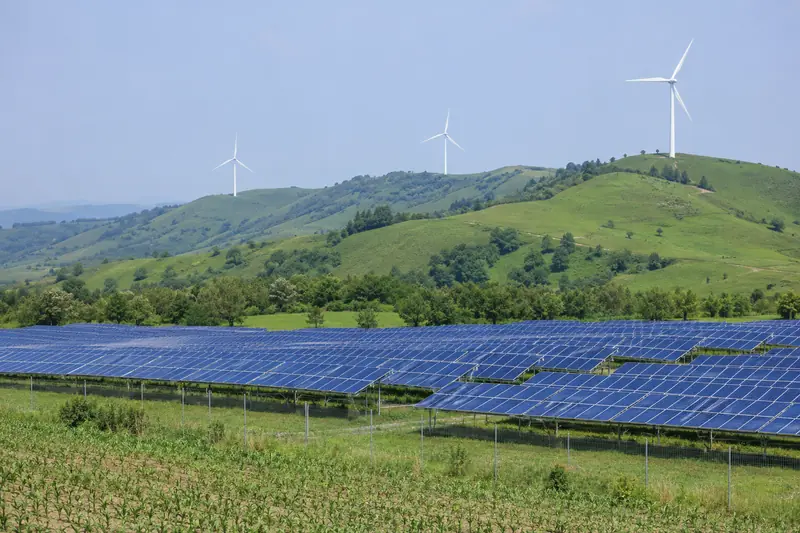
To supply part of the plant’s electricity, BMW installed four wind turbines on the site. Each is 190 metres high with a nominal power of 2.5 megawatts.
In 2019 the turbines generated a combined 26.4 gigawatt-hours of electricity, enough for more than 5,000 three-person households for a year, according to BMW.
BMW says the turbines provide about one fifth of all the electricity used at the Leipzig plant. When production is not running, the power is used in other areas of the site.
Wind power is variable. A factory needs electricity when its lines are running, but turbines produce power when the wind blows, so the two do not always match.
In 2017 BMW added a battery storage farm at the site using batteries from i3 cars, helping store wind power for later use.
Producing electric cars with renewable energy helps lower their total carbon footprint, which matters to customers and regulators around the world.
On-site generation is one of several ways manufacturers reduce emissions, alongside buying renewable electricity and improving energy efficiency.
The exhibit shows the scale of Leipzig’s wind capacity. Ten megawatts of nominal power is significant for a single factory, though actual output depends on wind conditions.
Installing turbines is a capital investment. The company spends money up front and then saves on electricity purchases over many years.
Comparing that investment with buying power from the grid requires looking at expected generation, electricity prices and maintenance costs.
Timing is also important. Power generated when the plant is idle is worth less unless it can be stored or sold.
That is why the battery storage farm added at Leipzig in 2017 made the wind investment more useful.
Generating renewable power on site also supports a company’s environmental goals, which matter to investors and customers.
Many industrial sites worldwide, from car plants to data centres, now install solar panels or wind turbines to reduce costs and emissions.
The Leipzig case shows how on-site generation, storage and grid connections can work together.
For students, a useful exercise is to consider how the value of renewable power changes with the timing of demand.
It also raises the question of how much of a factory’s energy can realistically come from its own site.
The turbines also serve as a visible symbol of BMW’s commitment to sustainable production. The company has used them in communications, including lighting them as Advent candles in 2020.
Visible commitments can strengthen a brand’s reputation, but they must be backed by real results to be credible.
In Leipzig’s case, the turbines produce measurable amounts of electricity that the company reports each year.
The investment also reduces the plant’s exposure to changes in electricity prices, since part of its power comes from its own generation.
That can be valuable when energy prices rise sharply, as they did in Europe in 2022.
On the other hand, on-site generation requires land, planning permission and maintenance, which not every factory can provide.
Companies must weigh these factors when deciding whether to generate their own power or buy renewable electricity through contracts with energy suppliers.
The Leipzig model, combining wind, storage and grid connections, is one approach that other industrial sites have studied.
For managers, the key question is not whether renewable energy is good, but how to use it at the times the business needs it.
Leipzig’s experience also matters for the wider debate about how quickly industry can move to renewable energy. Factories run around the clock, so solutions that cover only part of the day are not enough on their own.
Combining generation, storage and grid supply, as Leipzig does, is likely to remain the most practical approach for most large plants.
It is also a reminder that the cleanest kilowatt-hour is the one a factory never needs, which is why energy efficiency remains a priority alongside new generation.
Key moments
Wind generation is installed at Leipzig
BMW i3 series production begins
Stationary storage is commissioned at the site
Source: BMW Group, December 2020.
The trade-offs at the heart of the case
The alternative on the table
For comparison, consider the option to source the equivalent annual electricity from the grid. The related case “Finding a second customer for used i3 batteries” supplies a useful reference point. An i3 battery can become unsuitable for the range expectations of a driver while retaining useful stationary capacity. Wind and the battery farm perform complementary jobs. A turbine changes when power is generated. Storage changes when power is available. Calculate each asset’s value against the system that would exist without that particular investment.
For your seminar, paper or interview
- Q1
What is a windy Sunday worth if the line needs power on a still Monday?
- Q2
Which finding in the records on hourly generation matched to production demand would persuade you to source the equivalent annual electricity from the grid?
- Q3
Compare this decision with “Finding a second customer for used i3 batteries”. Which difference between the cases would change your recommendation?
- On-site generation
- Energy strategy
- Load matching
- Sustainable manufacturing
How we would approach it
Simplifying Finance’s opinion, offered as a starting point for debate, not as fact or investment advice.
We think building wind turbines at Leipzig was a sensible way to link electric car production with renewable power. The turbines supply a meaningful share of the plant’s needs, though wind does not always blow when the plant needs power, so storage and the grid remain essential.
Generate on site
Use the land around the plant for renewables.
Add storage
Balance supply and demand over the day.
Measure by hour
Compare generation with actual use.
What this plan gives up
On-site generation lowers emissions but depends on weather.
The strongest counter-argument
Some argue buying renewable power from the grid would be simpler.
Metrics to watch
- Share of power from wind
- Peak demand from the grid
Propose your solution
Pick a discussion question and set out what you would do, why, and what it would cost. Strong, well-argued answers are reviewed and published below with your first name and programme.
Published solutions
Loading published solutions…
- BMW Group • SUSTAINABLE VALUE REPORT 2013 ↗
- BMW Group • aDDINg vaLuE ↗
- BMW Group • Leipzig at twenty: wind generation and the battery storage farm ↗
- BMW Group PressClub • Wind turbines at Plant Leipzig ↗
- BMW Group PressClub • Media information: wind turbines at Leipzig (2020) ↗
- Bloomberg • BMW makes cars greener by tapping own wind power ↗
- Photo: BMW Leipzig by Grombo, CC BY-SA 3.0 (cropped and resized) ↗
Figures are as reported by the companies or cited outlets as of 22 November 2026. Check the source before quoting. Corrections: let us know through the solution form.