What happened
Minsur says its B2 tailings reuse plant began operating in 2020. Its 2023 annual report puts initial investment at about US$200 million, nominal feed capacity at 2,500 tonnes per day and 2023 production at 5,328 fine tonnes. Feed and fine metal are different measures. One cannot infer metallurgical recovery from the metal figure and the daily rating alone without knowing actual operating days, feed quantity and head grade.
Historical tailings have already been mined and placed. Recovering them still requires investigation, rehandling, processing and safe management of the material remaining afterwards. Their grade may vary with the older mill’s feed and recovery performance. A representative sample drawn only from convenient locations can exaggerate value. Establish the cost of the alternative closure and maintenance plan as well. A reduction in a genuine future obligation can be incremental value, while an accounting adjustment alone cannot pay for new equipment.
Begin with a number that can be reconciled to a buyer, such as paid contained tin after contractual deductions. Work backwards to the plant’s concentrate, then to recovered metal and finally to the sampled material sent from the old tailings. Each step can have a different measurement basis. A wet stockpile figure can overstate dry tonnes available for treatment. An assay from an unusually rich section can overstate the remaining inventory. The historical 2023 output is an operating result for one year, while nominal daily feed capacity is a different measure. To compare them an analyst needs actual dry tonnes treated during that year and the recovery and grade of those tonnes. Dividing annual metal by rated daily feed would combine incompatible quantities.
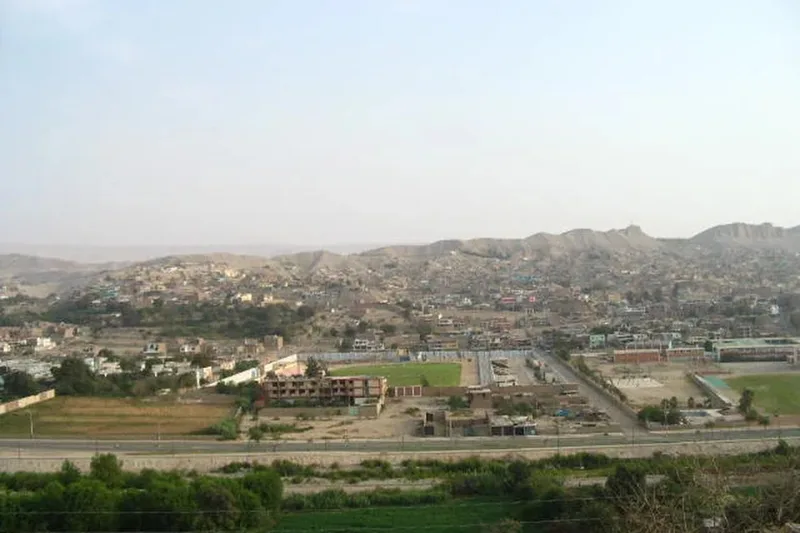
San Rafael, in the Puno region of southern Peru, is operated by Minsur and is one of the world’s most important tin mines. Tin is used mainly in solder for electronics, as well as in chemicals and tinplate.
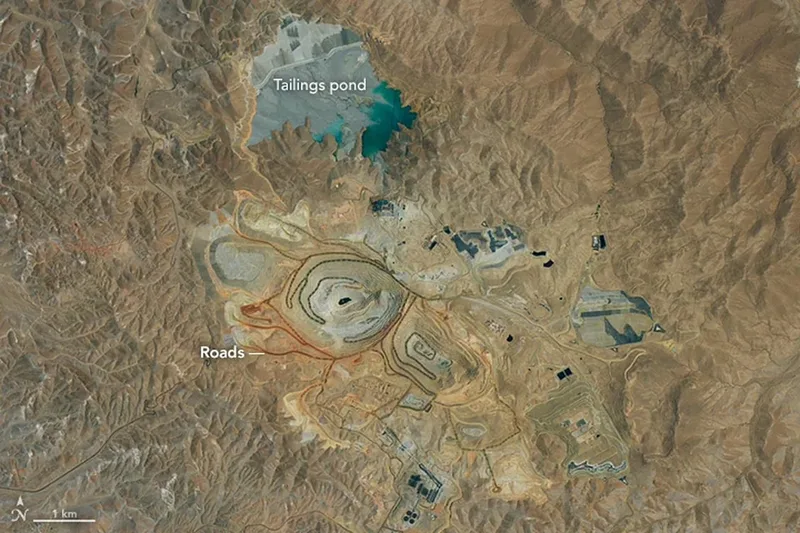
Over decades of operation, the mine produced large volumes of tailings, the fine waste left after processing. Older processing technology left some tin in these tailings.
Minsur built a plant to reprocess these historical tailings, known as B2. It began operating in 2020. The company’s 2023 annual report put initial investment at about US$200 million, nominal feed capacity at 2,500 tonnes a day, and 2023 production at 5,328 tonnes of fine tin.
Reprocessing tailings has several attractions. The material has already been mined and crushed, so mining costs are low. Recovering metal can also reduce the volume or hazard of material that must eventually be managed at closure.
But tailings vary. Their grade depends on the ore and recovery rates of the original mill, which may have changed over time. A sample taken only from convenient locations can give a misleading picture.
Tailings reprocessing is growing worldwide, from gold tailings in South Africa to copper tailings in Chile, as improved technology makes old waste economically valuable.
For investors, the case shows how an environmental liability can sometimes be turned into an asset, provided the economics are measured carefully.
Demand for tin is expected to grow with electronics and renewable energy, which increases the value of reliable supply from established producers.
The project also has an environmental dimension. Reprocessing old tailings and storing the residue in modern facilities can reduce long-term risks compared with leaving historical deposits as they were, provided the new storage meets current standards.
Minsur’s reports emphasise that feed tonnes and fine metal are different measures. Without knowing actual operating days, feed quantity and head grade, recovery cannot be calculated from the headline figures alone.
Peru is one of the world’s largest copper producers, and mining accounts for a large share of its exports. Decisions about how mines are financed, expanded and operated therefore matter for national income, government revenue and regional development, not only for the companies involved.
Copper demand is expected to rise with electric vehicles, renewable energy and power grids, which increases the importance of reliable new supply. At the same time, mining projects in Peru and elsewhere face growing expectations from communities and regulators on water, land and benefit-sharing.
For a finance student, the case is a reminder to separate the headline figures in announcements from the cash flows that determine value: who pays, when, and what is received in return.
Its results will inform similar projects at other mature mines.
Key moments
The B2 recovery plant started operating.
Minsur reported 5,328 fine tonnes of tin from the plant.
Source: Minsur annual report 2023, as cited in the case.
The trade-offs at the heart of the case
Move from geological evidence to a saleable unit
At San Rafael, past processing determined what remained in the tailings. At San Gabriel, a resource statement described mineralisation before a lending case had been constructed. In both settings the analyst must trace recovery, timing and payment before attaching a metal price to reported tonnes.
Our assessment
I would review realised tin sales and a material balance reconciled across the deposit, plant and remaining tailings. Compare the next recoverable parcel with leaving it safely in place. A successful first year does not establish that the last parcel will contain the same recoverable grade or be accessible at the same cost.
For your seminar, paper or interview
- Q1
What prevents the use of nominal feed capacity to infer recovery?
- Q2
Which closure costs genuinely change under reprocessing?
- Q3
How would you choose a representative sample of old tailings?
- Q4
Which observations would verify demand at the time and location the capacity is available?
- Q5
Would a smaller fixed commitment or a guaranteed unit margin give better downside protection?
- Tailings reprocessing
- Circular economy
- Closure liabilities
- Tin markets
How we would approach it
Simplifying Finance’s opinion, offered as a starting point for debate, not as fact or investment advice.
We think recovering tin from old tailings is a smart use of material already mined. It turns a liability into revenue and can reduce closure obligations, though its value depends on careful sampling and safe management of the remaining material.
Sample thoroughly
Test tailings grade across the whole deposit.
Manage new tailings
Store reprocessed material safely.
Track recovery
Report metal recovered versus feed.
What this plan gives up
Reprocessing earns revenue from waste but requires careful environmental management.
The strongest counter-argument
Some argue capital would earn more in new deposits.
Metrics to watch
- Fine tin produced
- Remaining tailings volume
Propose your solution
Pick a discussion question and set out what you would do, why, and what it would cost. Strong, well-argued answers are reviewed and published below with your first name and programme.
Published solutions
Loading published solutions…
- Minsur — 2023 annual report, B2 operations ↗
- Ministry of Energy and Mines — 2018 mine construction portfolio ↗
- Photo: 4447M-cassiterite by CarlesMillan, CC BY-SA 3.0 (cropped and resized) ↗
Figures are as reported by the companies or cited outlets as of 22 November 2026. Check the source before quoting. Corrections: let us know through the solution form.